Close Menu
  • Home
  • News
  • Business
  • Lifestyle
    • Entertainment
    • Sport
    • Art & Entertainment
  • Travel
  • Tech
  • Others
    • Real Estate
      • Housing
      • Investment
      • Tourism
      • Property
        • Home & Interior
    • Jobs
    • Education
    • Community
  • Hot News
  • Abu Dhabi Week
  • Submit Your Story
X (Twitter)
  • Editorial Policy
  • About Us
  • Contact
X (Twitter) Instagram
Dubai Week
Subscribe
  • Home
  • News
  • Business
  • Lifestyle
    • Entertainment
    • Sport
    • Art & Entertainment
  • Travel
  • Tech
  • Others
    • Real Estate
      • Housing
      • Investment
      • Tourism
      • Property
        • Home & Interior
    • Jobs
    • Education
    • Community
  • Hot News
  • Abu Dhabi Week
  • Submit Your Story
Dubai Week
  • Home
  • News
  • Business
  • Lifestyle
  • Travel
  • Tech
  • Others
  • Hot News
  • Abu Dhabi Week
  • Submit Your Story
Home»Tech»ACCA Highlights Urgent Need for Collective Response as New Findings Reveal Escalating Global Fraud Threat
Tech

ACCA Highlights Urgent Need for Collective Response as New Findings Reveal Escalating Global Fraud Threat

By Sam AllcockNovember 18, 2025No Comments3 Mins Read
Share
Facebook Twitter LinkedIn Pinterest Email

A worldwide study uncovers how cybercrime, governance failings and AI-driven manipulation are merging to create an industrial-scale fraud ecosystem requiring unified action

ACCA’s newly released report, Combatting fraud in a perfect storm, reveals that cyberfraud has become the most widespread and financially damaging form of fraud across global markets, intensifying the impact of all other risk categories. Procurement fraud, misuse of authority, and fraud involving external partners follow as the next most common types, yet remain significantly underreported, especially within small businesses and public sector organisations.

Based on insights gathered from more than 2,000 professionals and 31 roundtable sessions conducted across regions including the Middle East, the report—launched to coincide with International Fraud Awareness Week—highlights how fraud has evolved into an industrialised threat. It is spreading across value chains, supply networks and organisational structures, accelerating far beyond the reach of traditional control mechanisms.

In collaboration with ACFE, IIA, CISI, ISC2, Airmic and ACi, the report introduces a new Prevalence vs Materiality matrix lens to help organisations make better decisions about allocating resources before fraud diminishes them. Through its companion Calls to Action and Thematic Typology, the report also provides new guidance on assessing what works and doesn’t, and crucially how to incorporate behavioural insights into risk governance, moving fraud prevention from compliance theatre to operational reality.
Key global findings:
  • Cyberfraud ranks highest for both prevalence and materiality, 39% and 38% respectively, overall, acting as an amplifier for every other form of fraud and interconnecting with harder-to-stop frauds like crypto-linked crimes.
  • The survey showed that despite rising prevalence, only 10% of crypto fraud cases are referred to law enforcement – the lowest referral rate of any fraud type.
  • Organised crime networks professionalising “fraud-as-a-service”: fast-moving, AI-powered and cross-border operations outpacing traditional defences.
  • Procurement, abuse of authority and third-party frauds are silent drains on value, often under-reported like many internal frauds, and misclassified as “operational leakage”.
  • Cultural weakness and siloed accountability allow fraud to persist:  while 62% of respondents agree that fraud awareness training is important, only 57% believe their organisation proactively looks for fraud and that drops to 51% for accountancy professionals, who emphasised fraud is silently eroding trust and organisational value.
  • The survey found that the ease of reporting averaged 70% across fraud types even though fraud risk management maturity and trust in anti-fraud measures varied significantly by region, sector, teams and seniority.
“Fraud is no longer isolated or opportunistic,” said Rachael Johnson, head of risk management and corporate governance in ACCA’s policy and insights team. “AI has accelerated its scale and speed while lagging governance and siloed accountability still allow it to thrive in organisation’s processes and architecture. We need to start asking harder questions: Where are the blind spots? Who owns prevention? And how do we make integrity measurable?”
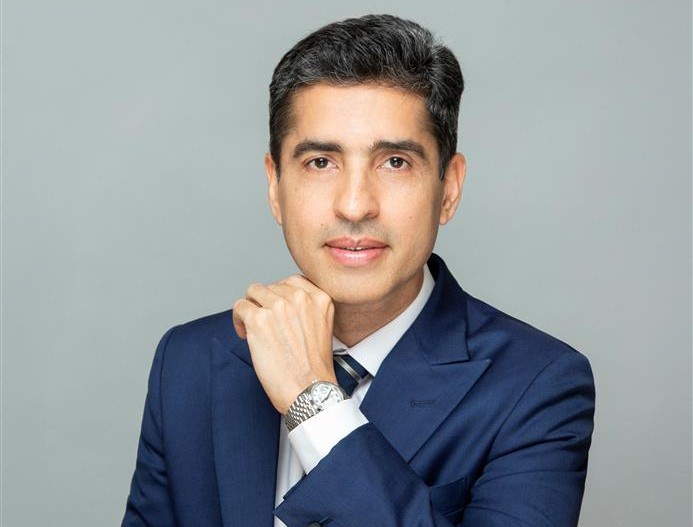
Kush Ahuja, Head of Eurasia and Middle East at ACCA, added: “This report should serve as a wake-up call for all organisations across the globe, particularly those in the private sector. It was encouraging to see Middle East finance professionals contribute their views. I am optimistic that working with businesses and fellow professionals from across the  Middle East, accountants in businesses will take the lead in putting in place the governance and risk measures needed to address the fraud threat.”
The report calls for a collective reset, one that embeds proactive detection, strengthens accountability, and builds cultures where raising concerns is safe and expected. It emphasises that combating modern fraud requires uniting disciplines, modernising oversight and making integrity measurable.
Download the full report here.
Share. Facebook Twitter Pinterest LinkedIn Tumblr WhatsApp Email
Previous ArticleTII Strengthens UAE’s Position in Global Quantum Innovation with New NVIDIA CUDA-Q Integration Featuring NVQLink Support
Next Article Shine Launches the Recruiter Challenge to Redefine Hiring in Saudi Arabia
Sam Allcock
  • Website
  • X (Twitter)
  • Instagram
  • LinkedIn

Sam Allcock is a seasoned journalist and digital marketing expert known for his insightful reporting across business, real estate, travel and lifestyle sectors. His recent work includes high-profile Dubai coverage, such as record-breaking events by AYS Developers. With a career spanning multiple outlets. Sam delivers sharp, engaging content that bridges UK and UAE markets. His writing reflects a deep understanding of emerging trends, making him a trusted voice in regional and international business journalism. Should you need any edits please contact editor@dubaiweek.ae

Related Posts

BenQ Expands MA Series with New Flagship and 4K Nano Gloss Monitors for Mac Users

February 26, 2026

The Power of Webdesign in the Digital Era

February 20, 2026

Technology and Lab Standards Used by Leading IVF Clinics in Dubai

February 20, 2026

Closing the Guidance Gap: AI Technology Empowers Students in Navigating University Applications

February 2, 2026
News

Bitget’s Women’s Day Campaign Asks Web3 the Uncomfortable Question

By Sam AllcockMarch 3, 20260 News

How can crypto achieve mass adoption without women? Bitget posed that question on Tuesday as…

Layers of Raspberry and Basil: How Blume Dubai Plans to Mark Women’s Day

March 2, 2026

Syrian Singer Bessan Ismail Lands Max Fashion’s Ramadan Campaign as Retailer Courts Budget-Conscious Families

February 27, 2026

Samsung’s Galaxy S26 lets users choose between three AI assistants

February 27, 2026
X (Twitter)
  • About Us
  • Privacy Policy
  • DMCA Policy for Dubai Week
  • Editorial Policy
  • Contact
© 2026 Dubai Week

Type above and press Enter to search. Press Esc to cancel.