
Between 1st March and 15th April, 1,813 luxury property transactions worth more than AED5 million closed in Dubai—a 59.7% jump in volume compared to the same period last year.
The total value hit AED25.04 billion.
That growth came despite ongoing uncertainty across the wider Middle East region, and it wasn’t confined to one narrow slice of the market. According to data from DXBinteract, three separate price brackets—from AED5 million up to AED100 million—all posted double-digit gains in both transaction counts and total value during the six-week window.
The sharpest acceleration occurred in the AED5-10 million segment. Sales value more than doubled, climbing from AED3.43 billion to AED7.91 billion year-on-year. Transaction volumes followed the same trajectory, rising from 503 deals to 1,153.
Further up the ladder, momentum held.
In the AED20-50 million range, total value increased from AED5.38 billion to AED7.20 billion, with deal count edging up from 211 to 236. The AED50-100 million bracket—where individual transactions carry serious weight—saw value climb from AED1.55 billion to AED2.63 billion, with volumes nearly doubling from 24 to 42 deals.
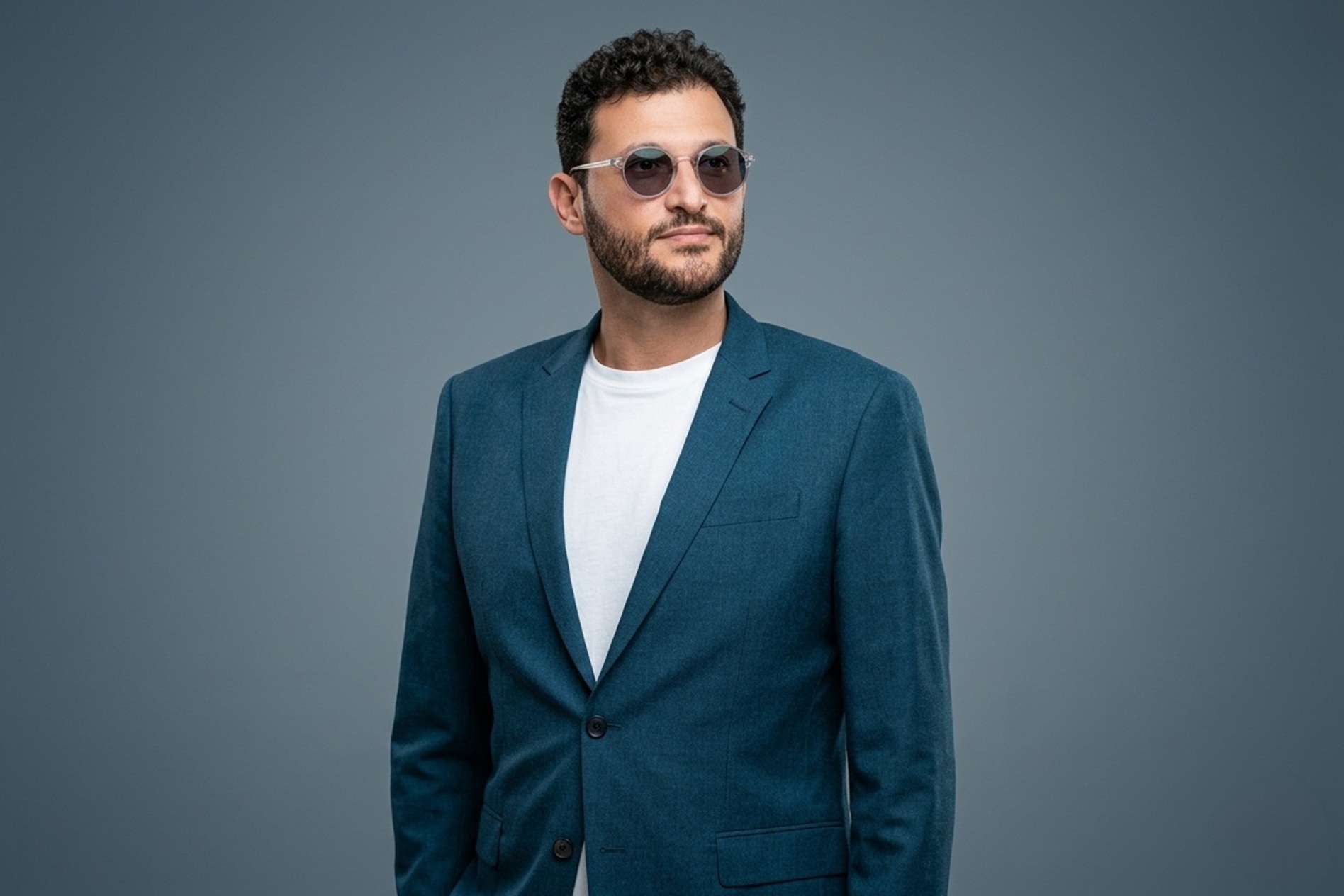
Talal M. Al Gaddah, founder and chief executive of the Keturah luxury brand, attributed the pattern to a specific type of buyer. “In the current environment, the consistency of activity across these key segments is a strong indicator of underlying stability,” he said.
“The scale of growth across three distinct price bands tells you a great deal about the buyers driving it. These are committed, purposeful people taking a long-term view, and that level of sustained, broad-based confidence is a very encouraging sign.”
Keturah released the analysis on 29th April, positioning the figures within a broader shift in how Dubai’s luxury residential market operates. The company has two major projects under development—Keturah Resort, a wellness-certified community along Dubai Creek adjacent to the Ras Al Khor Wildlife Sanctuary, and Keturah Reserve, a AED5.7 billion bio-living development in Mohammed Bin Rashid City’s District 7.
Both emphasise long-term residential use rather than speculative churn.
That focus, according to Talal, mirrors what’s happening across Dubai’s high-end market more broadly. “Dubai’s luxury market has durability because developers are thinking differently about what they build,” he explained. “There is more focus on how homes are actually lived in, and less reliance on short-term demand cycles. You can see that in the quality and consistency of what is coming to market.”
The growth comes at a time when global luxury real estate markets have shown uneven performance. While some established hubs have cooled amid interest rate pressures and economic headwinds, Dubai appears to be absorbing capital from buyers seeking stability and regulatory clarity.
“Dubai continues to attract long-term capital because the fundamentals are stable and predictable,” Talal noted. “The infrastructure is in place, the regulatory environment is transparent, and there is a long-term approach to how the city is planned and delivered. That combination gives investors and end-users a level of certainty they can rely on.”
The 21.4% increase in total sales value across the AED5 million-plus segment between March and mid-April suggests that appetite extends well beyond first-time luxury buyers. The fact that the AED50-100 million bracket saw volumes rise from 24 to 42 transactions—a 75% increase—indicates that ultra-high-net-worth individuals remain active, even as geopolitical risks linger across the region.
What remains less clear is how much of this activity represents primary residences versus investment holdings. Dubai’s regulatory framework allows full foreign ownership in designated zones, and the city has no personal income tax—factors that have historically attracted wealth from across Asia, Europe, and the Middle East.
Keturah Reserve, designed around what the developer calls “controlled supply” and residential privacy, reflects one response to that demand. Rather than maximising unit counts, the project prioritises end-user experience and long-term occupancy. Keturah Resort, meanwhile, integrates wellness certification into a waterfront setting, banking on the idea that luxury buyers increasingly value lifestyle infrastructure alongside location and finishes.
For now, the data suggests that bet is shared across the market. The six-week snapshot captured by DXBinteract shows not just growth, but growth distributed across multiple price tiers—a pattern that suggests structural demand rather than a speculative bubble concentrated in one segment.
Whether that momentum holds through the second half of 2026 will depend partly on factors beyond Dubai’s control: regional stability, global interest rate trajectories, and currency movements all play a role in where ultra-wealthy buyers choose to deploy capital.
But the March-to-April figures, released as spring buying season accelerated, point to a market that remains confident in its own trajectory—even when the broader backdrop offers reasons for caution.
