
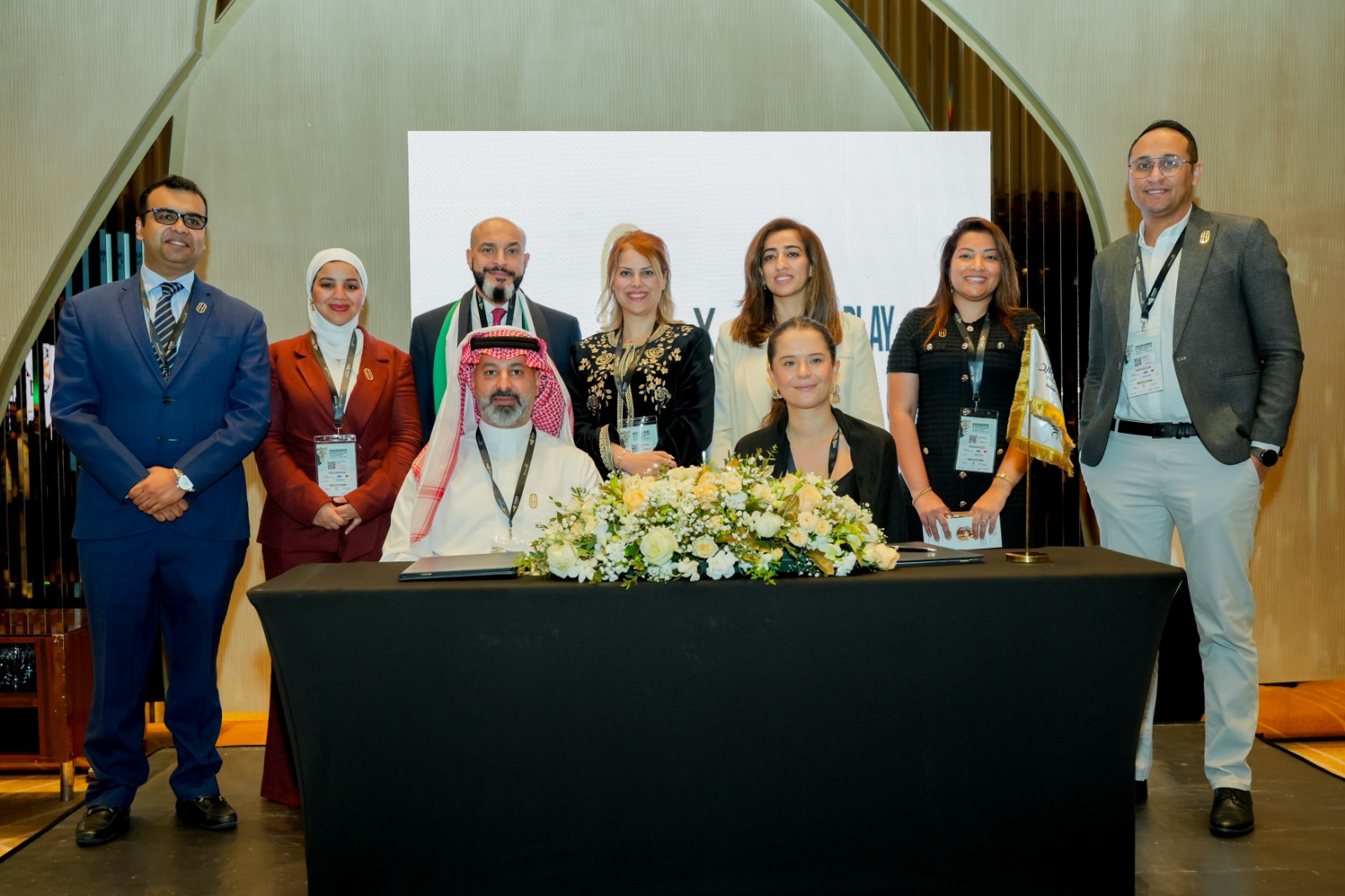
OGold signed up its millionth user sometime during its first 12 months of operation, processing $50 million in transactions along the way. Now the Dubai-based fintech has secured investment from Plug and Play Ventures, the Silicon Valley firm that backed PayPal, Dropbox and Honey before they became household names.
The timing matters. Digital precious metals platforms are multiplying across the Gulf, each promising fractional ownership and mobile-first access. OGold’s traction—confirmed on 27 April—suggests it’s pulling ahead in a crowded field.
What sets the platform apart? Entry starts at AED 1, roughly 27 cents. That price point has turned gold from an asset requiring serious capital into something accessible to gig workers, students and anyone with a few dirhams to spare. The model is Shariah-compliant, crucial in a region where Islamic finance principles shape consumer behaviour.
“The investment from a global leader like Plug and Play Ventures serves as a powerful testament to OGold’s vision and scalable infrastructure built,” said Bandar Alothman, Founder of OGold. “Our mission has always been to make gold and silver accessible and functional for everyone. With Plug and Play’s backing, OGold is entering a new phase of growth to scale infrastructure, expand offerings such as the OGold Mastercard, and enter new markets redefining how the world interacts with gold and silver.”
The deal—financial terms weren’t disclosed—plugs OGold into a network spanning 60 locations and 550 corporate partners. Plug and Play’s portfolio includes over 30 unicorns, companies that reached billion-dollar valuations. For a Dubai startup barely a year old, access to that ecosystem could accelerate expansion beyond the UAE.
Alireza Masrour, General Partner at Plug and Play Ventures, framed the investment around speed and demand. “We are thrilled to partner with OGold as they redefine the utility of precious metals for the digital age. Their impressive milestone of reaching 1 million users in such a short time demonstrates a clear market demand for ethical, Shariah-compliant fintech solutions. By bridging traditional asset security with a modern, scalable ‘Super App’ ecosystem, OGold perfectly aligns with our mission to support transformative technologies that have the potential to lead on a global stage.”
The Super App label hints at ambitions beyond simple gold trading. OGold already offers a Mastercard that lets users spend their gold holdings directly, turning metal stored in insured UAE vaults into a payment method. Physical gold backs every transaction, a structure designed to blend ancient wealth preservation with modern liquidity.
That liquidity angle matters. Traditional gold ownership means bars in a safe or jewellery in a drawer—static, illiquid, requiring premiums to buy and sell. OGold’s model treats gold as a functional currency, something you can accumulate in tiny increments and deploy instantly.
The question facing the company now: which markets come next? The Middle East offers natural expansion opportunities, but the Shariah-compliant framework could resonate in Southeast Asia, where Islamic finance is growing. Alternatively, OGold might push into markets where inflation and currency volatility make dollar alternatives attractive.
Plug and Play’s involvement suggests international ambitions. The venture arm typically invests in startups ready to scale across borders, not regional players content with a single market. Their presence in 60 locations provides OGold with on-the-ground expertise in markets it may never have considered.
Amadi Ventures Limited advised OGold on the transaction, though the strategic rationale seems straightforward. A fintech showing this much traction in year one needs capital and connections to avoid being outpaced by better-funded competitors. Plug and Play provides both.
The broader context: fintech in the Gulf is attracting serious capital as regulators in the UAE and Saudi Arabia create frameworks for digital finance. Dubai particularly has positioned itself as a hub for crypto, blockchain and alternative finance platforms. OGold sits at the intersection of those trends—digital, mobile-first, but anchored to a physical asset with 5,000 years of credibility.
Still, the path from 1 million users to profitability isn’t automatic. Fractional gold ownership at AED 1 means razor-thin margins unless volume scales dramatically. The revenue model likely depends on transaction fees, card usage, and possibly premium features yet to be announced. Whether that generates sustainable profits remains unclear.
What’s evident: someone in Silicon Valley reviewed OGold’s numbers and decided the risk was worth taking. Plug and Play sees hundreds of pitches monthly. They chose this one.
For users in the UAE, the practical impact may come through the Mastercard rollout. Spending gold balances on everyday purchases could shift how people think about saving—less about hoarding, more about accumulating a functional balance. Whether that behaviour translates beyond early adopters will determine if OGold becomes a financial staple or a niche product.
The company’s next 12 months will likely focus on stress-testing infrastructure. A million users is impressive; ten million users requires systems that don’t buckle under transaction volume. Plug and Play’s network includes tech partners who’ve scaled platforms to hundreds of millions of users. OGold will need that expertise.
By year-end, the shape of OGold’s expansion should be clearer. Markets targeted, partnerships announced, perhaps metrics on Mastercard adoption. For now, the investment validates a simple premise: if you drop the barrier to entry low enough, millions of people will buy gold who never considered it before.
