
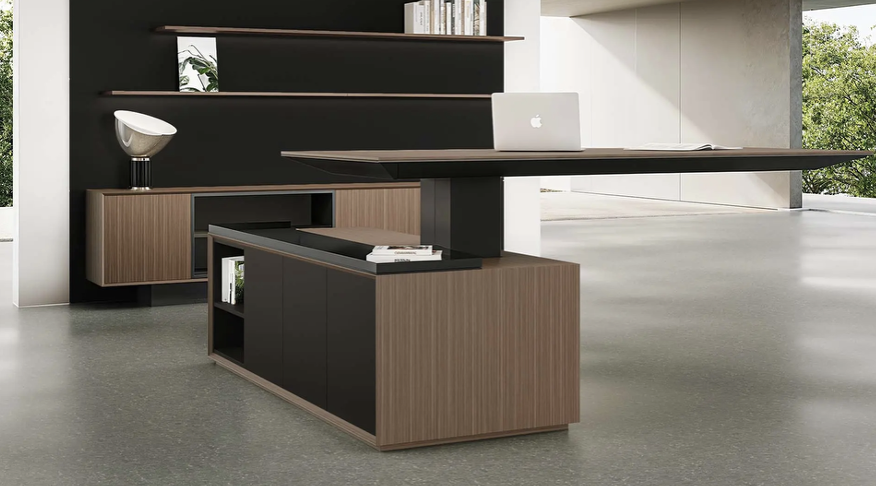

Across the UAE, companies are redesigning their offices to match new ways of working. From flexible layouts to technology-driven environments, the modern office is evolving rapidly. Workspace specialists such as urban 411 office furniture note that one of the biggest transformations is happening at the desk level, where design, ergonomics, and technology are coming together to create smarter workstations.
The office desk has traditionally been viewed as a simple piece of furniture. Today, however, it plays a much larger role in shaping productivity and employee wellbeing. Modern desk designs are built to support different working styles, integrate digital tools, and help employees stay comfortable during long hours of focused work.
Sustainable Materials and Eco-Conscious Design
Sustainability is becoming a key factor in office furniture decisions. Many organizations across the UAE are aligning their workplace design choices with broader environmental goals, and desk manufacturers are responding with more eco-friendly options.
Modern desks are now often designed with sustainability throughout their lifecycle. This includes responsible material sourcing, environmentally conscious manufacturing processes, and designs that extend product lifespan.
Reclaimed Wood Surfaces
Desks made from reclaimed timber provide natural character while reducing demand for newly harvested wood. Each surface features unique grain patterns, giving workspaces a distinctive look.
Recycled Material Components
Some desk surfaces and structural components now use recycled plastics or industrial by-products. These materials are engineered to be durable while reducing waste.
Low-Emission Production
Many manufacturers are adopting production techniques that limit harmful emissions and rely on water-based coatings. These methods contribute to healthier indoor air quality in office environments.
Replaceable Parts and Repairability
Modern desks are increasingly designed with replaceable components. Instead of replacing an entire desk, businesses can repair or swap individual parts, extending the product’s useful life.
These sustainability-focused design approaches allow companies to create responsible workplaces while maintaining functionality and visual appeal.
Technology Integration in Modern Desks
As workplaces become more technology-driven, desks are evolving to support the growing number of devices professionals rely on each day.
Instead of adding external accessories, many desks now integrate power and connectivity directly into the workspace.
Wireless Charging Areas
Certain desk surfaces now include built-in wireless charging zones, allowing smartphones and accessories to charge without cables.
Integrated Power and USB Ports
Modern desks frequently include conveniently positioned power outlets and USB-C ports, helping employees keep devices charged while maintaining an organized workspace.
Smart Cable Management
Hidden cable trays and routing systems help reduce clutter, creating a cleaner and more professional desk setup.
Digital Height Controls
Advanced standing desks now feature programmable controls that allow users to store preferred height settings and switch positions with minimal effort.
These features demonstrate how desks are becoming active tools that support digital workflows rather than simply holding computers and documents.
Ergonomic Design and Workplace Wellbeing
Employee wellbeing has become a major focus for organizations seeking to improve productivity and reduce fatigue. Ergonomic furniture plays an important role in supporting healthier work habits.
One of the most noticeable trends in recent years is the widespread adoption of height adjustable desks. Once considered a premium feature, the standing desk is now becoming a standard option in many modern offices.
Electric height-adjustment systems allow users to switch between sitting and standing throughout the day. This movement can help reduce strain caused by prolonged sitting and encourage better posture.
Programmable settings also allow multiple users to share the same workstation while maintaining personalized comfort levels.
Some offices are also pairing standing desks with anti-fatigue floor mats and ergonomic accessories that further improve comfort during extended standing sessions.
Together, these innovations highlight the growing awareness that workspace design can have a direct impact on employee health and daily performance.
Flexible and Modular Workspace Solutions
The modern office must be able to adapt quickly to changing business needs. As teams expand, projects evolve, and hybrid work becomes more common, companies require furniture that supports flexible layouts.
Modular desk systems are increasingly popular because they allow organizations to rearrange workstations without major redesigns. Individual desks can be combined into collaborative clusters or separated for focused individual work.
This adaptability helps businesses use their office space more efficiently while also extending the lifespan of their furniture investments.
In many cases, modular desk systems also make it easier to expand offices gradually as companies grow, rather than replacing entire furniture setups.
Conclusion
Workplace design continues to evolve as businesses respond to new technologies, changing work styles, and increased attention to employee wellbeing. In 2026, office desk trends clearly reflect these priorities, with strong emphasis on sustainability, ergonomics, and integrated technology.
As companies across the UAE continue to rethink their office spaces, many are exploring solutions offered by experienced providers such as urban 411 office furniture, whose designs reflect the growing demand for adaptable and future-ready workplaces.