
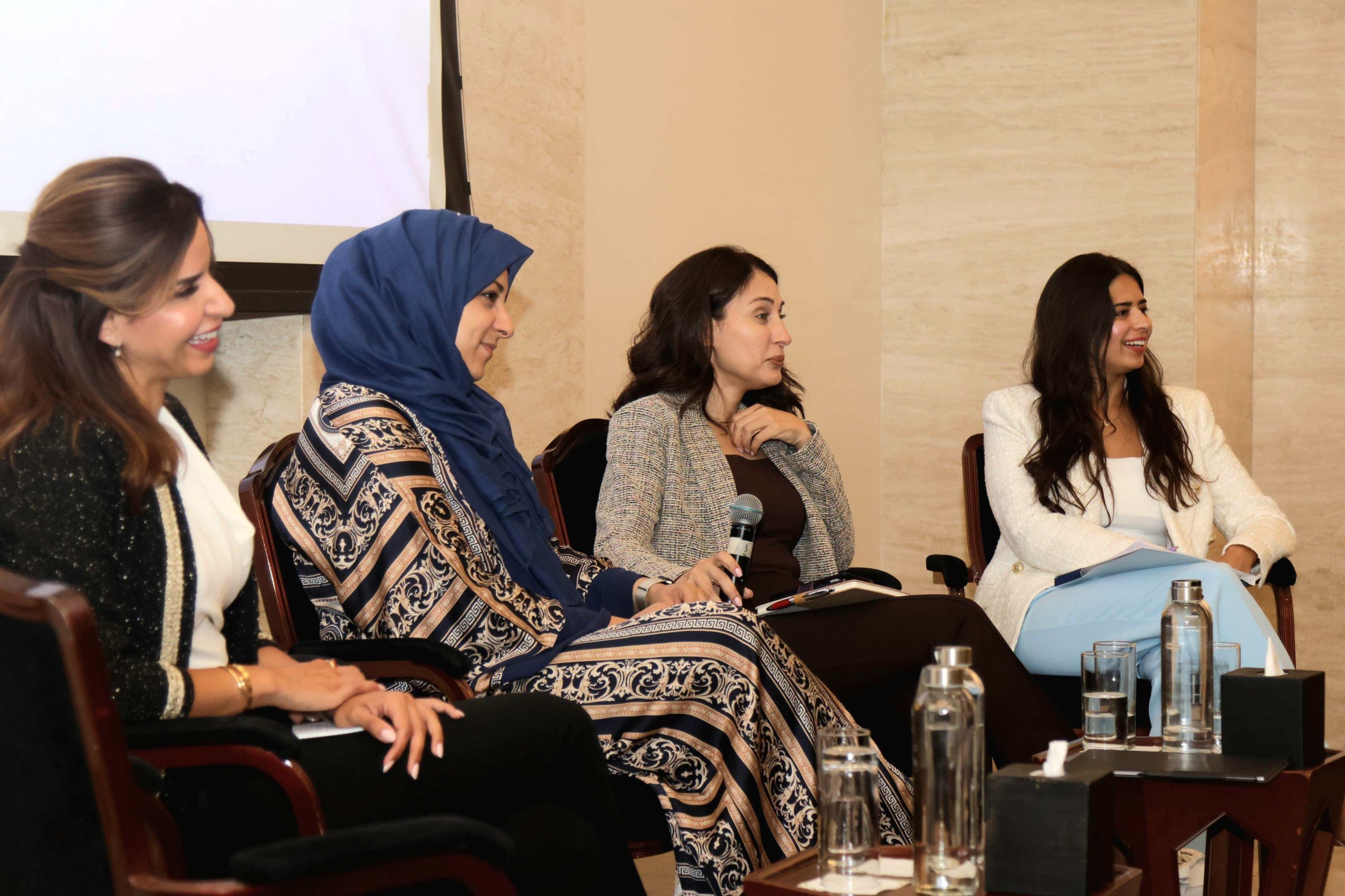

- Pearl Initiative convened a senior-level dialogue in Dubai this week on strengthening governance in health systems during escalating global crises
- With global health aid expected to shrink to $38.4 billion by the end of 2025, the call for transparent and strategic funding has become urgent
- Leaders from organisations including IRC, UNHCR, WHO Foundation, and Nabta Health emphasised trust-based collaboration and ethical innovation as priorities
- Mental health, costing the global economy over $1 trillion annually, continues to be underfunded, highlighting the need for culturally responsive philanthropic investment
Pearl Initiative this week brought together international leaders, philanthropic organisations, and cross-sector representatives at a high-level forum in Dubai to examine how stronger governance can underpin global responses to health crises.
The dialogue, titled ‘Governance for Resilient Health Systems’, centred on the importance of ethical, accountable, and transparent governance structures in building sustainable health systems. Discussions highlighted the strain of multiple, overlapping crises – from climate-related disasters to conflict and displacement – on already fragile healthcare provision.
In 2023 alone, 400 natural disasters were recorded worldwide, placing immense pressure on health infrastructure. Despite this, global health aid is forecast to fall sharply from $80.3 billion in 2021 to $38.4 billion by 2025, underscoring the need for philanthropy to be both strategic in approach and transparent in delivery.
The event featured four panel sessions focusing on key aspects of resilience, including service delivery in fragile settings, long-term investment in infrastructure, equitable access to care, and the widening mental health gap. Contributions came from senior figures at the International Rescue Committee (IRC), UNHCR, WHO Foundation, International Medical Corps, National Multiple Sclerosis Society, and Nabta Health.
Speakers called for more targeted, trust-based philanthropy, alongside governance mechanisms that prioritise long-term investment and ethical oversight. The panels stressed that while mental health drains more than $1 trillion from the global economy annually, it remains severely underfunded, particularly in regions where stigma and a lack of culturally adapted solutions limit access to care. Accountability, transparency, and local leadership were identified as vital for building durable health systems.
Reflecting on the event, Ralph Choueiri, Executive Director of Pearl Initiative, remarked:
“Governance is the foundation of every sustainable system, and not an optional add-on. In global health especially, philanthropy must shift from reactive giving to strategic investment, guided by ethics, accountability, and a long-term commitment to impact that improves lives. Fragmented or short-term approaches are no longer sufficient in the face of the complexity of today’s global health crises.”
The dialogue reinforced the importance of stronger collaboration between philanthropy, governments, and civil society, with an emphasis on empowering local leadership to build trust and ensure effective delivery.
Through its Governance in Philanthropy Programme, Pearl Initiative continues to promote transparency, responsible giving, and collaborative governance across the Gulf region and beyond, working to ensure that philanthropic efforts deliver measurable, accountable impact.