

Ras Al Khaimah is positioning itself as a frontrunner in regional sustainability efforts through an expansive strategy that extends far beyond energy considerations to encompass the emirate’s entire environmental and economic landscape.
The Reem office of Ras Al Khaimah Municipality has outlined the comprehensive scope of the Ras Al Khaimah Integrated Sustainability Strategy 2050, an emirate-wide initiative that marks a significant evolution in the region’s approach to balancing rapid development with environmental stewardship. Launched under the patronage of His Highness Sheikh Saud bin Saqr Al Qasimi, UAE Supreme Council Member and Ruler of Ras Al Khaimah, the strategy represents a substantial broadening of sustainability priorities.
The initiative builds upon the foundations laid by the Energy Efficiency and Renewables Strategy 2040, but its ambitions stretch considerably further. Whilst the earlier EE&R Strategy concentrated primarily on accelerating the emirate’s energy transition, the new framework encompasses a far wider array of environmental challenges, from climate adaptation and air quality to soil management, water security, and the protection of biodiversity across terrestrial and marine ecosystems.
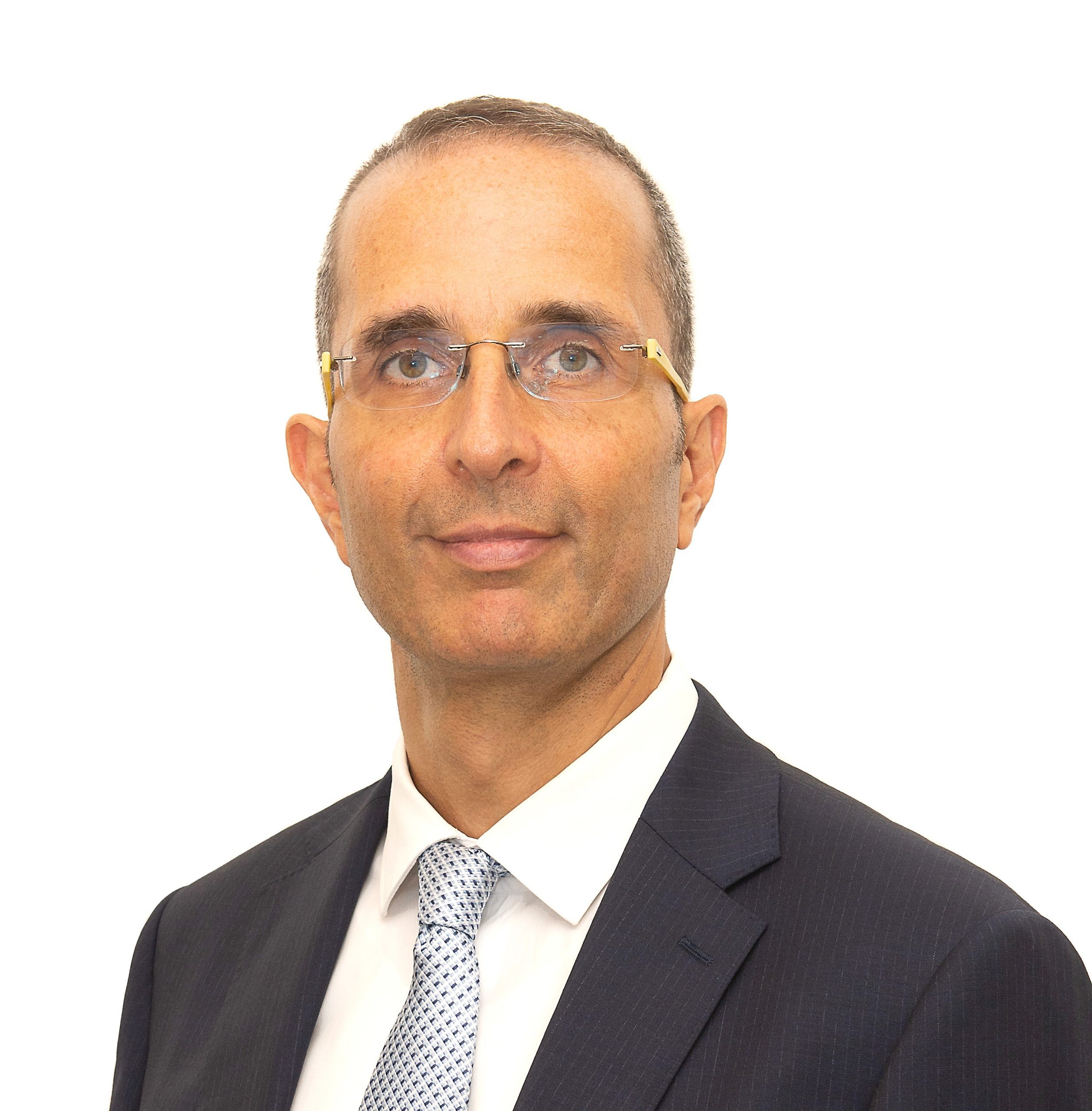
Andrea Di Gregorio, Executive Director of Reem at Ras Al Khaimah Municipality, articulated the strategy’s comprehensive vision. “The RIS Strategy 2050 reflects Ras Al Khaimah’s long-term vision to balance economic growth with environmental responsibility. Its overarching objectives are to maintain a secure and cost-competitive supply of energy and water to support economic growth, enhance and protect the environment in order to preserve Ras Al Khaimah’s unique natural heritage and maintain a high quality of life for residents, and reduce greenhouse gas emissions to prepare the emirate for a low-carbon global market. Together, these objectives are delivered through a number of programs and initiatives that create major opportunities for both people and businesses.”
The strategy is structured around 13 distinct programmes that address the full spectrum of sustainability challenges. These include gas supply enhancement, renewable energy deployment, air quality improvement, preservation of soil and land resources, freshwater resource management, and biodiversity conservation. Additionally, the framework targets marine and coastal ecosystem protection whilst promoting sustainable approaches to communities, transport, agriculture, and industrial decarbonisation.
Expected outcomes from the RIS Strategy 2050 span economic, environmental, and social dimensions. Projections indicate positive GDP impacts alongside significant reductions in greenhouse gas emissions. The emirate anticipates lowered energy and water costs for residents and businesses, coupled with job creation across emerging green industries. These benefits align with the United Arab Emirates’ national target of achieving 50 per cent clean energy by 2050 and support the country’s broader net zero emission commitments.
The strategy enhances and deepens the energy efficiency programmes originally established under the EE&R framework, with more intensive interventions planned for specific sectors. Industry, government operations, and transportation will receive particular focus as the emirate works to transition towards cleaner fuels and utilities.
Beyond emissions reduction, the comprehensive approach aims to deliver tangible improvements in environmental quality. Air, soil, and water quality enhancement features prominently, alongside measures to strengthen both terrestrial and marine ecosystems. Conservation efforts will incorporate native plant species to bolster biodiversity whilst simultaneously improving living and working conditions throughout the emirate. These environmental improvements are expected to reinforce Ras Al Khaimah’s attractiveness as a destination for sustainable tourism and environmentally conscious investment.
Implementation of the strategy operates under a robust governance structure designed to ensure coordinated delivery. The RAK Sustainability Committee, formally established under Amiri Decree No. 8 of 2025, provides oversight and brings together crucial stakeholders including RAK Municipality, the RAK Transport Authority, RAKGAS, and the Environment Protection and Development Authority. Reem, which functions as the Sustainable Energy Sector of Ras Al Khaimah Municipality, has been assigned to provide both advisory services and implementation support.
The timing of this comprehensive sustainability push coincides with a period of unprecedented expansion across the emirate. With growth accelerating in industry, tourism, and urban development sectors, the strategy offers a critical opportunity to embed sustainable practices from the ground up. New infrastructure, residential communities, and commercial buildings can integrate environmental considerations at the design stage rather than retrofitting solutions later, potentially enhancing the emirate’s appeal to investors, businesses, tourists, and residents seeking sustainable destinations.
The 2025 edition of the Ras Al Khaimah Annual Report offers detailed analysis of the emirate’s sustainability progress and strategic direction. Meanwhile, further insights into outcomes and partnerships emerging from the implementation journey are expected to feature prominently at the third edition of the RAK Energy Summit, scheduled to take place from 25 to 27 November 2026.
As the emirate moves forward with this ambitious agenda, the integrated nature of the approach represents a departure from siloed environmental initiatives. By connecting energy security, economic resilience, climate adaptation, and ecosystem protection under a unified framework, Ras Al Khaimah is demonstrating how regional governments can pursue growth whilst simultaneously addressing the environmental imperatives of the coming decades.