Technology start-ups across the Middle East are being encouraged to seize the benefits of the region’s expected economic expansion over the coming decade by adapting their models to serve multiple converging industries.
According to a recent PwC analysis, the regional economy could reach $4.57 trillion by 2035—an increase of around $1 trillion from today’s levels. The study also suggests that AI adoption and the transition to low-cost renewable energy could generate an additional $232 billion in value.
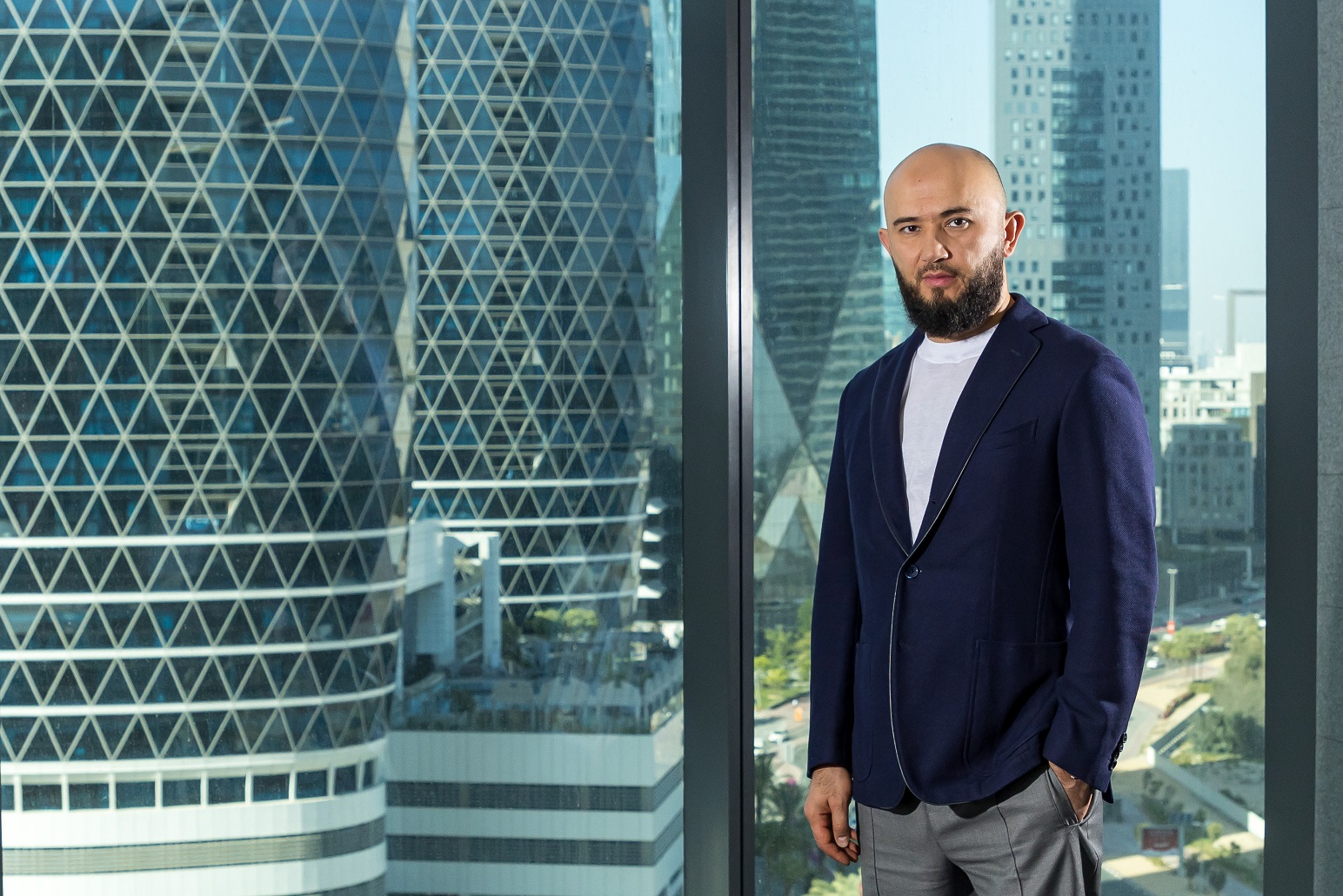
For UAE-based entrepreneur and investor Abdumalik Mirakhmedov, these forecasts represent a significant opportunity for founders to scale their ventures and deliver innovative solutions that drive impact.
“The old rules are being rewritten,” says Mirakhmedov, Director and co-founder of UAE tech venture company Scalo Technologies. “Traditional industries are beginning to overlap, changing how we travel, build, get energy, look after our health, and stay connected.
“The impressive numbers forecast by PwC aren’t just hopeful predictions, they show the huge possibilities ahead for founders and investors in this region. Startups that can apply their ideas across different sectors will be well placed to grow as these changes take shape.”
He highlights that the UAE stands at the forefront of this shift, backed by its national ambition to become a global AI leader by 2031, and by its active involvement in shaping global AI governance standards.
One clear sign of progress is Hub71 in Abu Dhabi, which now hosts 52 AI-driven start-ups after welcoming 13 new companies in the first half of 2025.
PwC’s research also found that business leaders in the Middle East are increasingly confident in AI, with nearly half saying they trust the technology to a large or very large extent—higher than the global average. Around 70% of CEOs using generative AI reported time savings, while more than half achieved higher profits.
“Looking ahead, AI is set to become a core part of how businesses run and develop new products in the region,” said Mirakhmedov. “This is pushing companies to innovate quickly. More than 50% have launched new products in the last five years, and 40% have entered new industries to grow.”
Examples of such transformation include Careem, which has diversified from ride-hailing into food delivery, payments, and remittance services. Similarly, G42 Healthcare in Abu Dhabi merged with Mubadala Health to create M42, blending AI with advanced healthcare delivery.
“These examples show how different industries are coming together to create new opportunities,” says Mirakhmedov. “But to fully benefit from AI and shifting industries, the region must equip its workforce with new skills. Startups have a key role to play, not only by needing skilled people themselves, but by helping develop those skills through innovation and collaboration.
“For investors and founders alike, supporting talent development will be just as important as funding new products. The region’s global competitiveness will depend on building a workforce that can adapt and grow.
“Entrepreneurs who embrace change, take calculated risks, and form the right partnerships will be the ones who shape the Middle East’s economic future, and make the most of what lies ahead.”