
Malaysia’s retail sector is hurtling towards a £95 billion milestone by 2029, up from roughly £71 billion this year. That 5.9% compound annual growth rate—outpacing most regional rivals—has caught the attention of technology firms betting that Southeast Asia’s third-largest economy is ready for a smart retail revolution.
The numbers tell one story. The technology tells another.
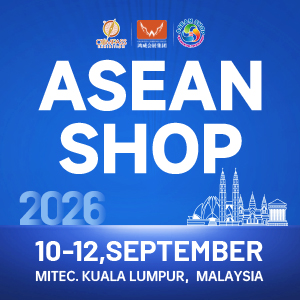
ASEAN SHOP 2026 will plant itself in Kuala Lumpur next September as a three-day marketplace where AI-powered checkout systems meet self-service coffee machines, where unmanned store operators compare notes with cold chain specialists. The event, scheduled for 10-12 September at the MITEC Pavilion, represents a wager that Malaysia’s digitally savvy consumers and expanding middle class create ideal conditions for retail innovation that’s struggled to find footing in more fragmented markets.
Organisers expect 350 exhibitors to fill 30,000 square metres of exhibition space, with 30,000 visitors circulating through demonstrations of vending machine technology, commercial refrigeration systems, and payment solutions. It’s an annual touring exhibition, this time targeting a market where smartphone penetration and e-commerce adoption have rewritten traditional retail playbooks.
The timing matters. Malaysia’s retail landscape is shifting from conventional shopping centres towards hybrid models blending physical presence with digital infrastructure. Self-service checkouts, once novelties, now appear in suburban grocery chains. Cashless payments dominate urban transactions. Unmanned convenience stores—still experimental in much of the region—are piloting across Kuala Lumpur’s business districts.
Six distinct zones will anchor the show floor. Vending machines and self-service facilities occupy one sector, spanning everything from traditional snack dispensers to sophisticated smart retail units with integrated inventory management. Payment solutions claim another zone, where exhibitors will showcase point-of-sale systems, mobile payment integration, and what organisers describe as commercial AI applications—presumably fraud detection algorithms and predictive analytics tools that larger retailers are quietly adopting.
Commercial preservation equipment gets its own space, reflecting the cold chain challenges that plague tropical retail markets. Refrigerated and frozen display cases designed for humid climates will sit alongside fresh-keeping packaging technologies. Meanwhile, the restaurant and food service section covers beverages, ready-to-eat products, and the coffee and tea suppliers chasing Malaysia’s growing café culture.
Retail store solutions form the exhibition’s fifth pillar. Unmanned store technology will feature prominently—the sensors, cameras, and weight-detection systems that let customers grab items and leave without traditional checkout. Store management software, franchise opportunities, and brand licensing deals round out this category. The final zone addresses commercial display: lighting systems, digital signage, point-of-purchase displays, and the visual merchandising tools that physical stores deploy to compete with online shopping’s convenience.
Who’s expected? The visitor profile runs from importers and manufacturers to supermarket chains, wholesalers, and government procurement officials. Restaurant operators, café owners, and grocery store managers make the list, alongside the consultants and media observers who track Southeast Asian retail trends. It’s a cross-section of an industry where traditional players are scrambling to adopt technologies that weren’t commercially viable five years ago.
The ASEAN Retail Leaders Summit will run parallel to the exhibition floor, though details remain sparse. Such conferences typically address regulatory frameworks, consumer behaviour shifts, and the infrastructure gaps that complicate regional expansion. For Malaysia, those conversations likely touch on workforce training—cashiers becoming customer service specialists—and the urban-rural divide in technology access.
Malaysia’s appeal as host extends beyond market size. The country offers political stability that neighbouring markets sometimes lack, a legal system conducive to intellectual property protection, and logistics networks connecting peninsular Malaysia to Singapore, Thailand, and Indonesia. Kuala Lumpur positions itself as a testing ground: succeed here, then scale across archipelagic Indonesia or up through mainland Southeast Asia.
Yet challenges persist. Infrastructure outside major cities remains patchy. Consumer spending, whilst growing, concentrates in urban centres. The small and medium enterprises that dominate Malaysian retail often lack capital for expensive technology upgrades. And regional competition is fierce—Singapore’s retail-tech ecosystem is more mature, Thailand’s domestic market larger, Vietnam’s growth rates higher.
The £24 billion question is whether Malaysia’s retail expansion can sustain the compound growth projections through 2029. Economic forecasts written in 2024 don’t account for potential global downturns, shifts in commodity prices that affect Malaysian purchasing power, or the unpredictable evolution of consumer preferences. Trade shows bet on optimism, on the assumption that innovation will find buyers and that growth trajectories hold steady.
For now, the industry is placing its chips on Kuala Lumpur. Three days in September. Thirty thousand square metres of exhibition space. Hundreds of suppliers hoping that Malaysia’s tech-ready consumers and expanding retail market represent the future of Southeast Asian shopping.
Whether that future arrives on schedule remains the open question. But the preparations are well underway, the bookings confirmed, the logistics mapped. By autumn 2026, the MITEC Pavilion will reveal which technologies resonated and which suppliers read the market correctly. For an industry navigating rapid transformation, that clarity alone might justify the trip.
