Dubai vs Riyadh How International Investors Should Compare Property in 2026
By Victor Sadygov | Founder and CEO, Victor Sadygov Real Estate
Dubai and Riyadh appear together on more investment shortlists in 2026, yet the two markets should not be judged by the same headline price or promised yield. Dubai gives buyers extensive transaction records and an established international buying process. Riyadh presents a different opportunity as Saudi Arabia implements new rules for non-Saudi ownership. The useful comparison is what a particular buyer can legally purchase, what it will cost to hold, and how that buyer could eventually sell.
Dubai has data but a strong market does not guarantee a strong deal
The Dubai Land Department reported AED 252 billion in real estate transactions in the first quarter of 2026, up 31% in value from a year earlier. It also recorded 60,303 transactions during the quarter. These figures show the market’s scale; they do not establish the return on an individual apartment. A buyer should compare registered sales of similar homes, realistic rents, nearby future supply and the building’s service charges before relying on a developer’s yield estimate.
Riyadh starts with ownership eligibility
Saudi Arabia’s revised system for non-Saudi real estate ownership took effect in January 2026. The General Real Estate Authority says ownership is subject to specific criteria and geographical parameters. Its Saudi Properties portal provides maps showing permitted zones, rights, ownership percentages and duration limits. That changes the first question for a foreign investor in Riyadh: before comparing projects, confirm that the buyer and the exact property qualify, and establish whether the contract transfers title or another right. An attractive payment plan cannot resolve an ownership question.
A practical comparison for an international buyer
Consider two off-plan apartments advertised at similar prices, one in Dubai and one in Riyadh. The purchase prices alone reveal little. In Dubai, check comparable completed units, the developer’s delivery record, service charges and likely rent after handover. In Riyadh, add verification of the permitted ownership zone and the particular right being sold. In both cities, calculate total cash paid before handover, transfer and financing costs, net income after expenses, and the conditions for resale. If any of those inputs are missing, a precise projected return is premature.
Three questions before paying a reservation fee
First, who exactly is buying, and what right will be registered or transferred? Second, what is the full cost through handover and the first year of ownership, including fees and management? Third, who would buy or rent this property later, and what evidence supports that assumption? Those questions are more useful than a broad claim that one Gulf city is ‘better’ than another.
Choose the asset before choosing the narrative
Dubai may appeal to an investor who values an established resale market and comparable transaction data. Riyadh may suit one who is prepared for project-specific legal and commercial checks as the market develops. At Victor Sadygov Real Estate, we encourage buyers to begin with their goals and compare individual assets on ownership, cash flow and exit terms. Market momentum is context; the contract and the numbers determine whether a purchase fits the investor.
About the author Victor Sadygov is Founder and CEO of VICTOR SADYGOV REAL ESTATE BROKERAGE – L.L.C – O.P.C in the UAE and personally oversees the company’s Saudi Arabia real estate business.
Sources for the editor Dubai Land Department, Q1 2026 transaction release, 9 April 2026; Saudi Real Estate General Authority, Non-Saudi Real Estate Ownership in Saudi Arabia; Saudi Press Agency, REGA commencement announcement, 22 January 2026.
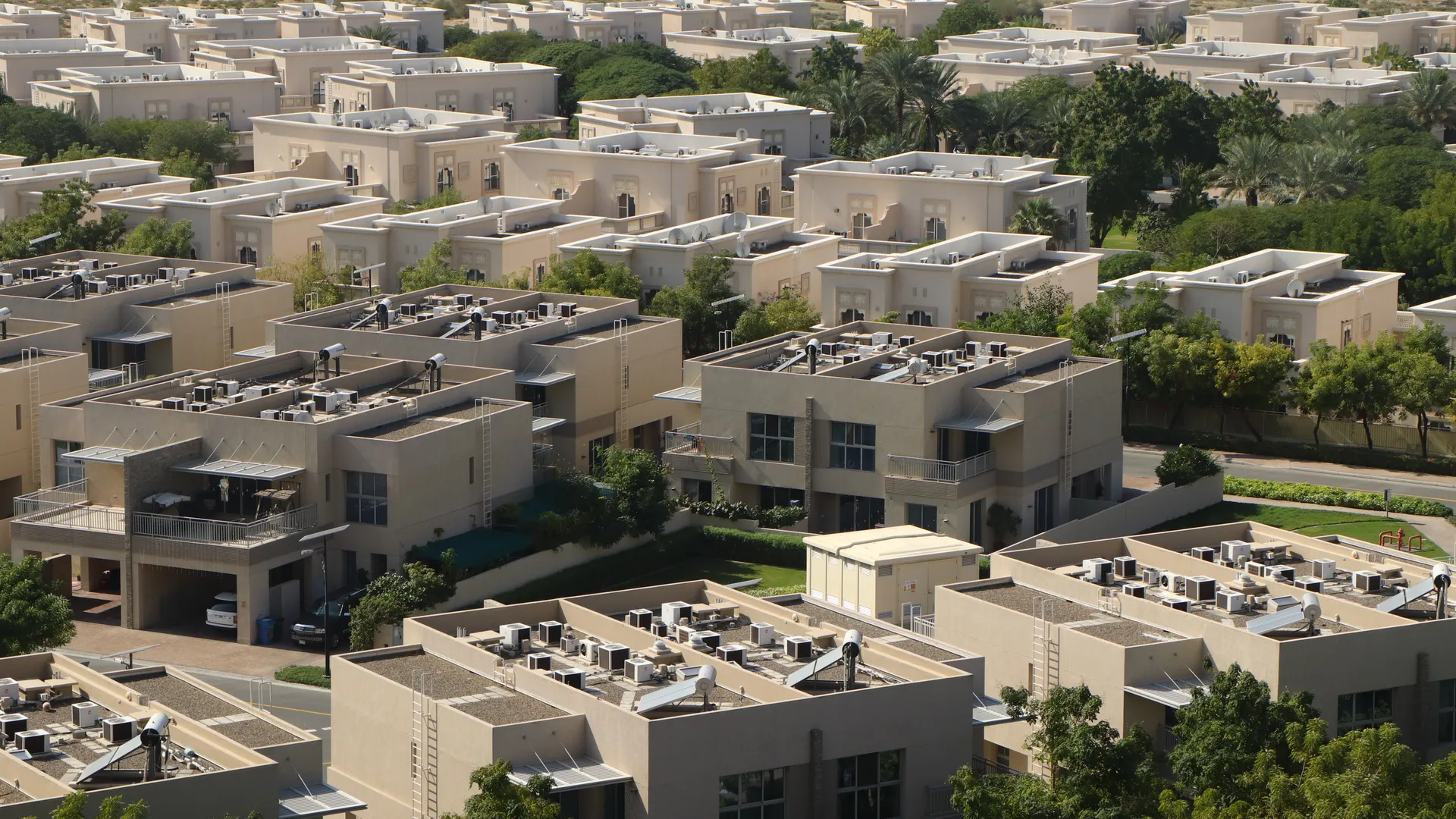
International investors weigh Dubai and Riyadh property markets as both cities compete for regional real estate investment in 2026