

A good business owner, like a good dhow, does not fight the wind; it reads it. Too many entrepreneurs in Dubai launch with bright sails and no compass, then wonder why they drift. The truth is simple. Most failures are not caused by a single storm, but by small, predictable mistakes that compound until the runway disappears. The good news is that these mistakes are learnable and avoidable, especially if you take lessons from others who have already paid the tuition.
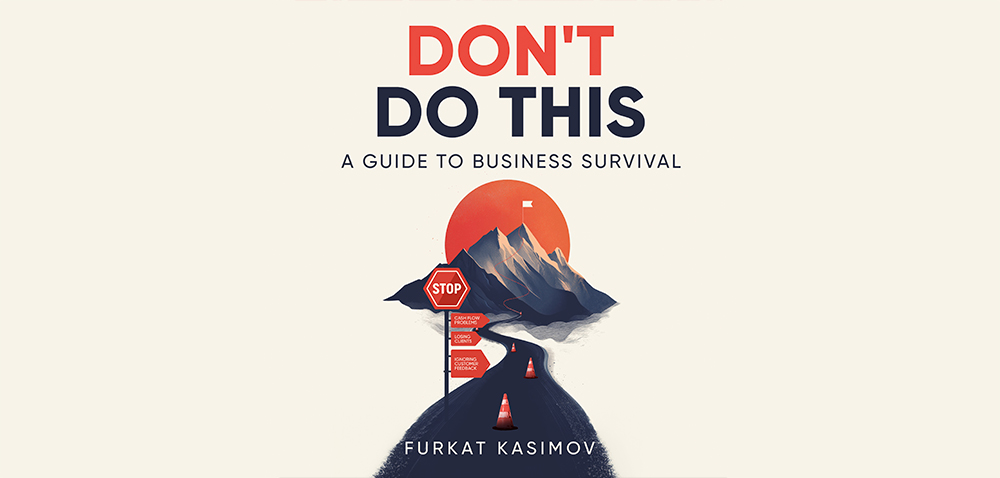
Furkat Kasimov’s book, Don’t Do This: A Guide to Business Survival, is built on that idea. It is a field manual for avoiding preventable errors, with practical checklists and clear examples. The pages are full of situations that look familiar to any owner in Dubai, from messy partnerships to casual cash management. If you prefer profit to drama, read it before you sign your next contract.
Let us start with the universal errors. First, founders confuse enthusiasm for evidence. They launch products without testing pricing, channels, or unit economics, then keep pouring money into campaigns that never pay back. A disciplined owner measures acquisition cost, gross margin, and payback period, and kills what does not work. Second, they overhire for image rather than outcomes. A smaller team with clear KPIs and weekly cash visibility often beats a larger team with fuzzy goals. Third, they treat contracts as a formality, not a risk instrument. Vague scopes, slippery payment terms, and no remedies create expensive surprises. Finally, many owners fall in love with revenue and forget cash. Cash is oxygen, and a simple 13-week cash forecast often saves a company that a perfect brand cannot.
Now, the Dubai-specific traps, the ones I see again and again. Choosing the wrong legal setup is near the top. Mainland, free zone, or offshore may all look similar in a brochure, but the implications for licensing, visas, office requirements, and client eligibility are very different. Fixing a bad choice later is slow and costly.
Compliance deserves respect, not fear. Owners who ignore VAT registration, WPS payroll rules, end-of-service obligations, or new tax filings discover that penalties are louder than profits. If you sell to government or large enterprises, vendor onboarding and GRN processes can stretch payments far beyond your assumptions; price and plan accordingly. Real estate is another lesson. Signing a long lease in a prestige location before your demand is proven can trap you. Measure footfall, negotiate fit-out periods and break clauses, and register your lease properly so you have clarity when you need it.
Culture and context matter too. A product that works elsewhere may still need local adjustments. Offer Arabic language support where it counts, price in AED, align service hours with local expectations, and plan around Ramadan and summer patterns. Relationships are built over time. A steady hand, clear commitments, and respectful follow-through do more for sales than a thousand cold messages.
Marketing waste is a quiet killer in this city of bright lights. Too many companies chase vanity metrics and influencers while neglecting the basics: tracking leads to revenue, building repeatable channels, and retaining customers with service. The cheapest dirham you will ever earn is the one you do not lose to churn. Invest in onboarding, proactive support, and simple loyalty programs before throwing more ads on the fire.
Partnerships can be a source of strength or stress. Before you share equity, define roles, decision rights, capital obligations, and exit paths. Put it in writing while everyone is friendly. A clear shareholders’ agreement protects relationships as much as it protects assets. And if you invite investors, be honest about risks and timelines. Overpromising buys applause today and lawsuits tomorrow.
How do you avoid these traps in practice? Start with a pre-mortem. Imagine your business failed twelve months from now and list the reasons. You will find most of them on your desk already. Build a short operating cadence: weekly cash review, monthly KPI review, quarterly strategy check. Use a one-page dashboard that ties marketing, sales, delivery, and finance together so problems show up early. When in doubt, run a small pilot, measure it, and scale only what earns its keep.
This is where Don’t Do This: A Guide to Business Survival shines. Kasimov writes with the pragmatism of someone who has seen the movie and the sequel. He names the common errors, shows the real cost, and offers practical ways to avoid them. Read it with your leadership team, mark the chapters that hit too close to home, and turn the lessons into operating rules.
An old saying reminds us to measure the shade before planting the palm. In business, that means learning from the scars of others, not waiting to earn your own. Dubai rewards momentum and discipline. If more owners simply sidestep the usual mistakes, more companies will survive their first years, and many will prosper far beyond them. Avoid what breaks most businesses, and you give yourself room to build what lasts.