

The endless cycle of restrictive eating has left many consumers exhausted. Calorie counting, portion anxiety, and the perpetual search for substitutes that never quite measure up have turned healthy eating into a chore rather than a choice. Yet across the Gulf region, a different narrative is emerging—one built not on deprivation, but on discovery.
Enter Shirataki, an ancient food product derived from the Konjac plant that is quietly reshaping how people think about their plates. Though it has been a dietary staple throughout East Asia for centuries, its arrival in mainstream Gulf markets represents something more significant: proof that wellness and satisfaction need not be mutually exclusive.
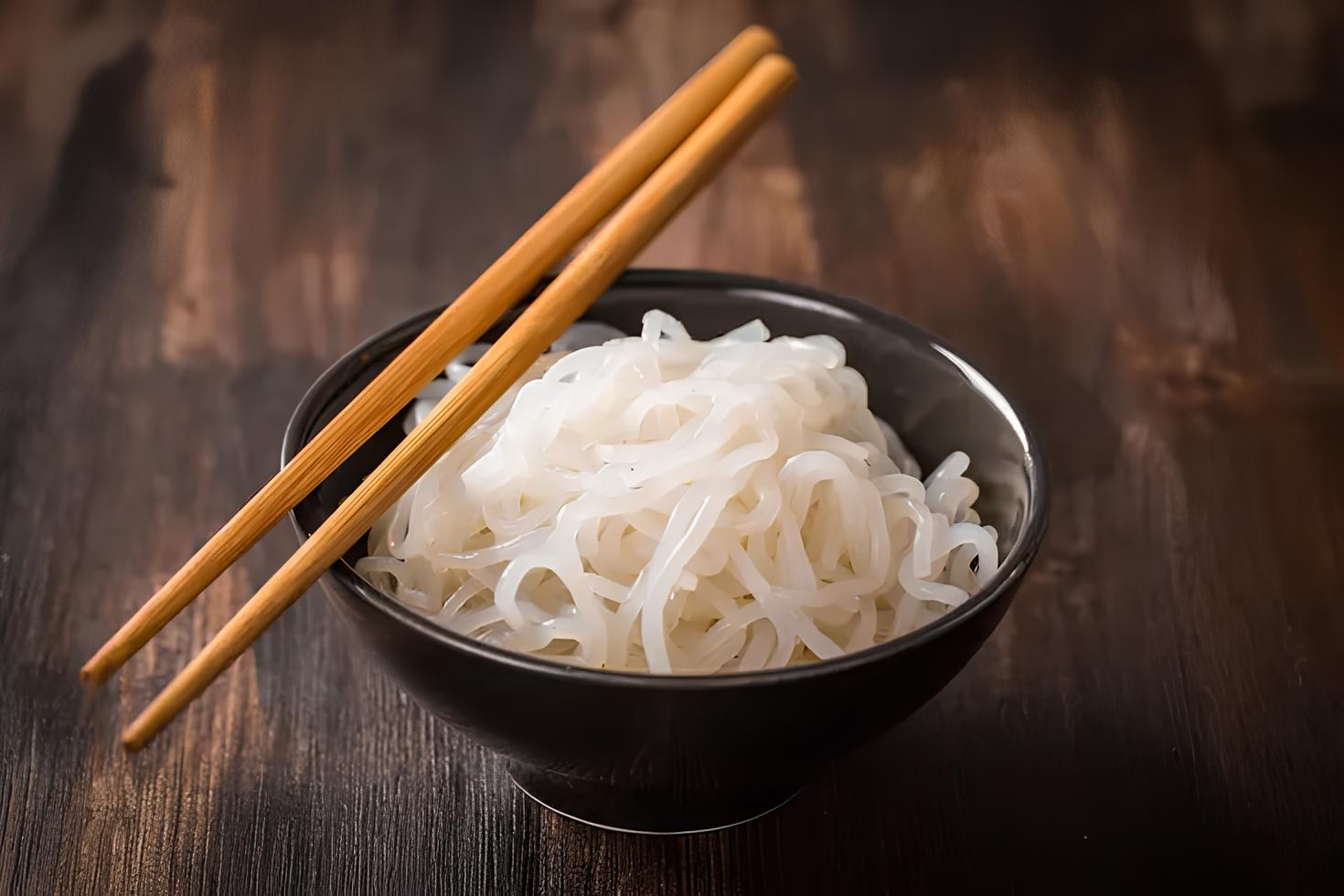
The name itself—translating from Japanese as “white waterfall”—evokes the translucent, delicate appearance of these noodle-like strands. But beneath that understated exterior lies a nutritional profile that has captured the attention of dietitians, home cooks, and wellness enthusiasts alike. The Konjac root is rich in glucomannan, a viscous dietary fibre that contains virtually no digestible carbohydrates and remarkably few calories. This unique composition has earned Shirataki its reputation as a “near-zero calorie” alternative to rice, pasta, and traditional noodles.
What sets Shirataki apart from the crowded field of health food substitutes is its remarkable versatility. Many alternatives arrive with their own flavour baggage—think cauliflower rice or zucchini noodles, which can dominate a dish rather than complement it. Shirataki, by contrast, is essentially a blank canvas. Its neutral taste and ability to absorb surrounding flavours make it ideal for everything from fragrant curries and robust stir-fries to delicate broths and hearty pasta sauces. For families reluctant to overhaul cherished recipes, this adaptability offers a rare opportunity: the same beloved meals, reimagined with a lighter nutritional footprint.
The functional advantages extend well beyond simple calorie reduction. Glucomannan fibre has been shown to slow the digestive process, promoting sustained satiety—a natural ally for anyone navigating weight management without constant hunger. Meanwhile, its prebiotic properties support gut health by nourishing beneficial bacteria, a benefit that resonates particularly well in an age when digestive wellness has moved from fringe topic to mainstream concern.
Across the Gulf, where food culture is deeply intertwined with hospitality, tradition, and family connection, any dietary shift must honour these values. Shirataki’s emergence in the region reflects a growing appetite for solutions that don’t demand compromise. Consumers are no longer willing to choose between health and flavour, between tradition and innovation.
This cultural moment has created space for brands that understand the balance. Livsmart, a wellness-focused food company, has positioned itself at the forefront of this movement by making organic Shirataki products widely accessible throughout the region. Their range—including Konjac-based rice, noodles, and fettuccine pasta, each delivering approximately six calories per serving—can now be found on shelves at major retailers and through online platforms, bringing what was once considered a specialty item into the everyday pantry.
“Healthy eating shouldn’t mean giving up the dishes you love,” says Sahil Advani, Founder of Livsmart. “Shirataki lets people enjoy the same flavours and recipes, just with a much healthier footprint.”
That philosophy appears to be resonating. No longer confined to the realm of extreme diet plans or fitness enthusiasts, Shirataki has found a diverse audience. Young professionals seeking lighter weekday lunches, families looking to introduce more fibre-rich options without battle at the dinner table, and individuals exploring low-carb or ketogenic lifestyles have all discovered its potential. The product’s flexibility allows it to cross demographic and dietary boundaries with unusual ease.
In many ways, the rise of Shirataki mirrors a broader evolution in how people approach food and health. The era of punishing restriction and joyless substitution is giving way to something more sustainable: mindful eating that accommodates real life. There’s an acknowledgment that lasting change doesn’t come from willpower alone, but from systems and choices that fit naturally into daily routines.
For Gulf households, where meals often serve as the centrepiece of social life and cultural expression, this shift is particularly meaningful. The ability to preserve culinary tradition while adapting to modern health priorities represents a kind of reconciliation—a way forward that doesn’t require leaving behind what matters most.
As Shirataki continues to gain traction in kitchens across the region, supported by brands like Livsmart that are committed to accessibility and education, it’s becoming clear that this isn’t just another fleeting wellness trend. It’s a return to simplicity, to ingredients that have stood the test of time, and to the understanding that the best solutions often come not from reinventing the wheel, but from rediscovering what already works.
In a marketplace saturated with promises of transformation and quick fixes, there’s something refreshing about a food that asks for nothing more than to be incorporated into what you’re already cooking. The “white waterfall” may have originated centuries ago in East Asia, but its journey to Gulf dinner tables suggests that truly effective wellness solutions transcend borders, eras, and eating philosophies. What remains constant is the desire to eat well, feel good, and enjoy the process—a goal that Shirataki, in its quiet, adaptable way, seems uniquely equipped to support.