Khaleej Times opened nominations on 4th May for an entrepreneurs list that now includes museum curators, traditional artists and heritage preservers alongside the usual e-commerce founders and startup chiefs. The three new categories—Cultural Impact, Tourism & Hospitality, and E-commerce—replace previous designations in the second edition of the KT+150 List, signalling a broader definition of what entrepreneurship means in 2026.
The shift is deliberate. While most regional rankings chase unicorn founders and venture-backed disruptors, the Dubai-based publication is betting that Gen Z sees value creation differently.
Cultural Impact alone covers territory rarely touched by business lists: people conserving UAE historical heritage, programming museum exhibitions, performing traditional arts. They’ll be judged by the same editorial panel assessing online retail founders.
“KT +150 List was created to spotlight the ambition, creativity and resilience of a new generation of entrepreneurs and changemakers who are building the future of this region,” said Ted Kemp, Chief Content Officer at Khaleej Times. “What matters most to us is that this is a genuine editorial franchise – independent, rigorous and focused on merit. It is not a commercial ranking; it is a recognition of people whose ideas, businesses and leadership are making a real mark.”
That independence matters in a region where commercial rankings often blur into paid partnerships. The newspaper has staked its editorial credibility on the list remaining non-commercial—no buying your way onto the roster.
Nominations target individuals building businesses, movements or ideas with regional impact. The editorial panel will work alongside category-specific judges to select the final cohort, due for announcement later in 2026. By summer, the judging panel itself will be revealed, along with marketing partnerships for the December summit that brings the selected list-makers together.
The inaugural 2025 edition clearly resonated. Charles Yardley, Chief Executive Officer at Khaleej Times, pointed to demand for credible recognition platforms as the reason for expanding the franchise.
“The response to the first edition of KT+150 List showed just how much appetite there is for a platform that champions emerging talent with credibility and reach,” Yardley said. “As we open nominations for 2026, we are excited to deepen this community, expand our partnerships and continue building what we believe is one of the UAE’s most exciting and relevant lists for rising entrepreneurs and business innovators.”
The Tourism & Hospitality category acknowledges a sector that’s become central to UAE economic strategy. Young contributors shaping one of the country’s fastest-growing industries now have a path to recognition that wasn’t explicit in last year’s categories.
E-commerce, meanwhile, captures both startup founders and rising talent within established regional brands—recognising that innovation happens inside corporations as much as in garage startups.
Most categories from the 2025 list remain unchanged, providing continuity for sectors already covered. But the three additions suggest the publication is tracking cultural shifts in how young professionals view career impact.
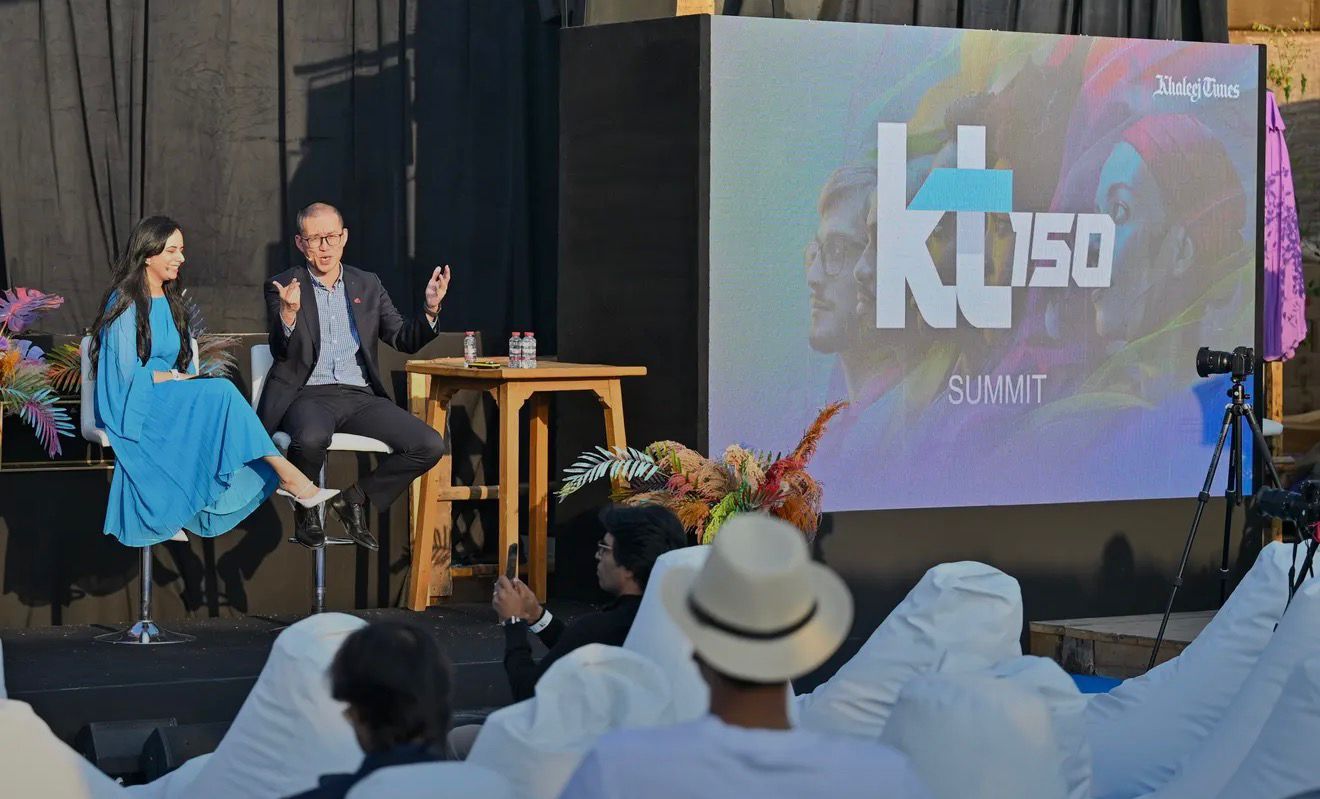
The KT+150 Summit in December 2026 will gather the selected individuals with industry voices, judges and partners. What began as a list is evolving into year-round programming—storytelling, networking, thought leadership around emerging business talent.
Khaleej Times, the UAE’s first English-language daily, has published continuously since April 1978. Its digital platform, launched in 1997, reaches 108.9 million individuals monthly across web and social channels including Instagram, Facebook, LinkedIn, WhatsApp and YouTube.
The publication is positioning KT+150 as a counterweight to rankings focused purely on funding rounds and revenue multiples. Whether a museum curator programming exhibitions or a founder scaling an online retail brand, the criteria centre on impact and merit rather than capital raised.
For now, nominations remain open to anyone creating what the publication calls “impact across industries.” The phrase is deliberately broad—challenging convention and building for the next chapter of regional growth covers considerable ground.
The real test arrives later this year when the selected names are revealed. Whether the expanded categories attract nominations of sufficient calibre, and whether judges can credibly assess traditional artists against tech founders using consistent criteria, will determine if the gamble pays off.
What’s certain: the list has carved space in a crowded field of regional rankings by emphasising editorial independence and expanding beyond the usual venture-backed suspects. In a market where young professionals increasingly seek recognition for cultural and social impact alongside commercial success, that positioning could prove prescient.
By December, when the summit convenes, the makeup of the 2026 cohort will reveal whether Khaleej Times has correctly read the shifting definition of entrepreneurship—or simply broadened a list beyond coherence.