
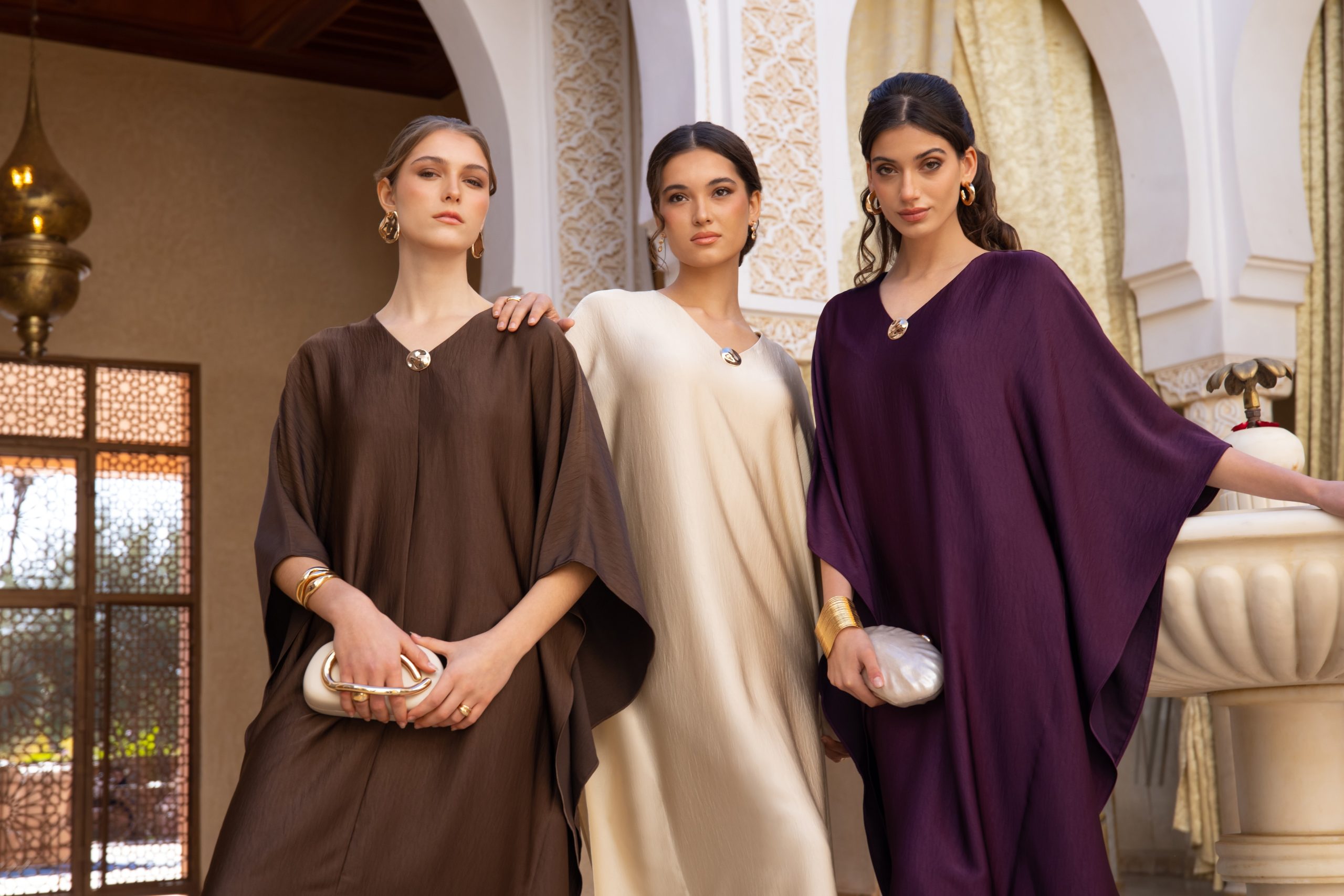

Bessan Ismail walked into Max Fashion’s campaign on Thursday, bringing 2.3 million Instagram followers and a reputation for cultural authenticity to the retailer’s Ramadan 2026 collection. The Dubai-based brand, which operates 830 stores across 16 countries, unveiled the range on 5 March as the Holy Month began across the region.
The decision to front the campaign with the celebrated singer marks a shift for Max Fashion. Previous years saw the brand rely on models and lifestyle imagery.
This time, the focus lands squarely on cultural resonance. Ismail’s presence signals an attempt to connect with customers who see Ramadan fashion as more than transactional—families preparing for Iftar gatherings, Suhoor evenings stretching past midnight, Eid celebrations requiring something special yet wearable.
“Ramadan is a time when fashion becomes part of meaningful rituals, from gathering with loved ones to celebrating special evenings together,” said Haroon Rasheed, Senior Vice President of Marketing at Landmark Group, Max Fashion’s parent company. “This year’s collection is designed to feel elevated yet accessible, blending timeless kaftan silhouettes with subtle festive detailing. At Max Fashion, value remains at the heart of everything we do, and our Ramadan offering reflects our commitment to making well-crafted, occasion-ready fashion affordable for every customer. Having Bessan Ismail as the face of our Ramadan campaign further strengthens our connection with customers who value authenticity, culture, and self-expression.”
The collection centres on what the brand calls Golden Kaftan pieces. Flowing silhouettes in warm neutrals, soft whites, and gentle metallic accents.
Designers opted for linen-blend fabrics and subtle embroidery rather than heavy embellishment. The intent: pieces that work for both intimate family moments and larger gatherings without requiring a costume change. Delicate detailing and soft sheen finishes provide the festive element, while fluid drapes maintain comfort through long evenings.
Ramadan remains a crucial retail season across the Middle East and North Africa, where fashion purchases spike ahead of the month and again before Eid. Max Fashion competes in the value segment, positioning itself below premium retailers like Harvey Nichols whilst aiming to offer more occasion-specific design than fast-fashion giants like Zara or H&M.
The brand launched in the UAE in 2004 and has since expanded its footprint to 16 countries. That scale—830 stores plus online channels—gives it distribution muscle that smaller regional players struggle to match. Yet the challenge remains: how to maintain a value proposition whilst delivering the elevated aesthetic customers increasingly expect during Ramadan.
This year’s answer leans heavily on fabric choice and silhouette rather than embellishment. The neutral palette avoids the jewel tones and heavy beading that defined earlier Ramadan collections across the market. Whether that restraint reads as sophistication or underwhelming depends on customer response in the coming weeks.
The campaign imagery shows Ismail in several pieces from the range, shot in settings that evoke family homes rather than luxury hotels. The shift away from aspirational gloss toward relatable elegance mirrors broader changes in regional fashion marketing, where influencers and celebrities increasingly emphasise authenticity over unattainable lifestyles.
For Max Fashion, part of the Landmark Group conglomerate, the Ramadan season carries weight beyond immediate sales. It’s a moment to reinforce brand relevance in a competitive market where customer loyalty shifts quickly. The retailer positions itself around affordability—though specific price points weren’t disclosed at launch—meaning each piece must deliver perceived value alongside design appeal.
The collection arrived in stores and online this week, timed to capture early shoppers preparing wardrobes ahead of evening gatherings. Availability across the full store network means customers in Dubai, Cairo, Riyadh, and beyond can access identical ranges, a consistency that supports the brand’s regional positioning.
By choosing Ismail, Max Fashion made a calculated bet on cultural connection over pure celebrity wattage. The singer’s profile skews toward audiences who prioritise tradition and family—precisely the demographic preparing for Ramadan gatherings that require multiple outfit changes across a month of social obligations.
Whether that translates to sales figures will become clear in the weeks ahead. For now, the collection sits on racks and website pages, waiting for customers to decide if understated elegance at accessible price points meets their needs for a season that demands both style and substance.
The Golden Kaftan pieces represent Max Fashion’s interpretation of what Ramadan dressing should feel like in 2026: elegant without ostentation, festive without excess, affordable without compromise. That balance has always been difficult to strike in the value fashion segment, where margins are thin and customer expectations run high.
What’s certain is that the next four weeks will test whether the brand’s approach resonates with shoppers navigating their own balance between celebration and restraint during the Holy Month.