

The United Arab Emirates has secured the inscription of four new cultural elements on UNESCO’s Representative List of the Intangible Cultural Heritage of Humanity. The decision reinforces the country’s role in safeguarding living heritage and followed deliberations at the 20th session of the Intergovernmental Committee for the Safeguarding of Intangible Cultural Heritage, held in New Delhi from 8 to 13 December 2025.
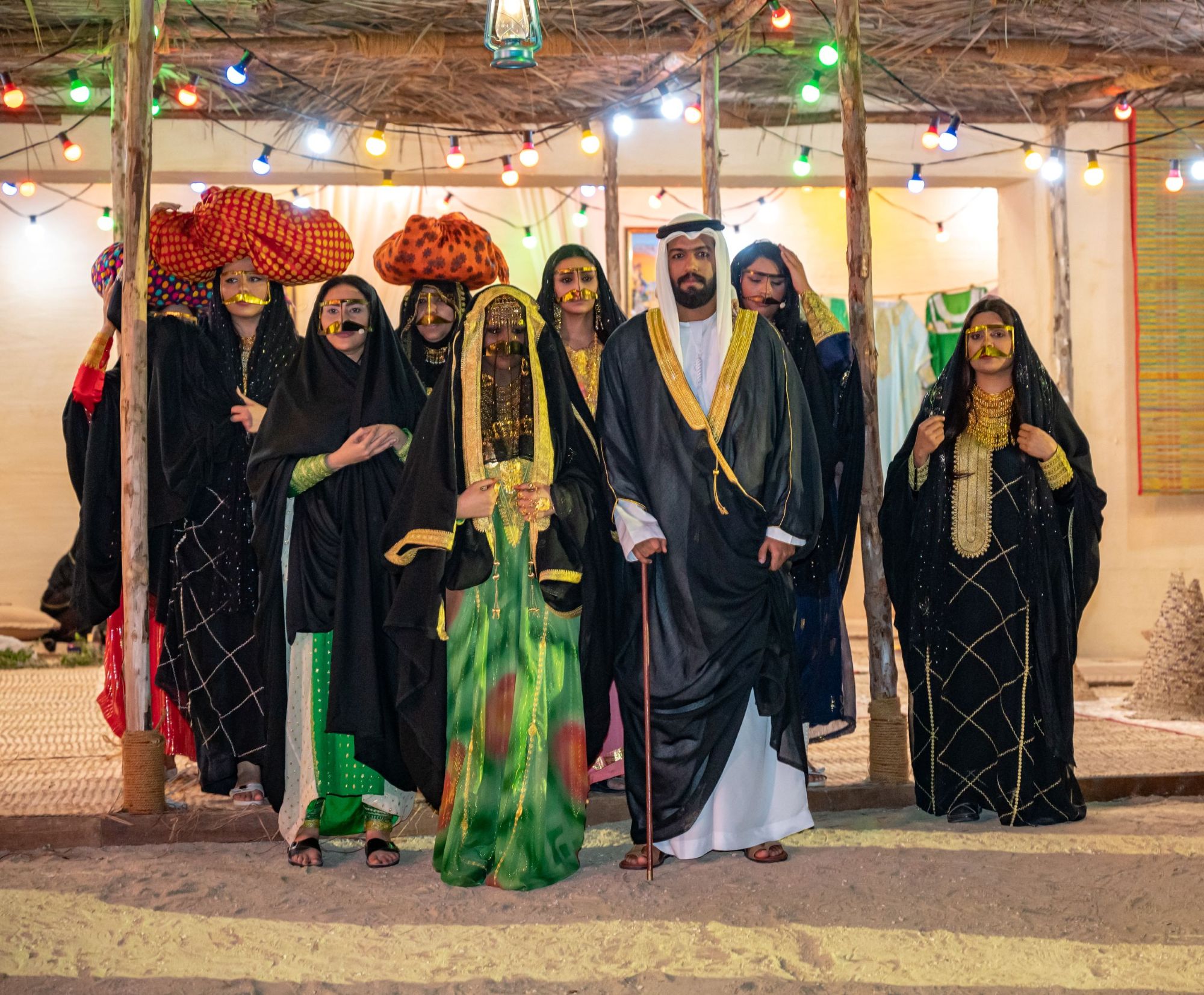
This achievement reflects the UAE’s long-term work to protect and promote its cultural practices at an international level. Al-Ahala was added as a national file, recognised as a traditional performing art passed down through generations. Al-Bisht, the bride’s procession, and Kohl were inscribed as joint Arab files, highlighting shared traditions across the Gulf and wider Arab region.
A further milestone was the Committee’s approval to move Al Sadu from the List of Intangible Cultural Heritage in Need of Urgent Safeguarding to the Representative List. Al Sadu was first inscribed in 2011. The transfer followed the successful delivery of safeguarding programmes that met international standards and ensured the practice remains part of daily cultural life. The decision recognises sustained national efforts to protect the craft and pass it on to future generations.

His Excellency Sheikh Salem bin Khalid Al Qassimi, Minister of Culture, said: “The inscription of four new elements on UNESCO’s lists marks a significant milestone in the UAE’s ongoing efforts to safeguard its intangible cultural heritage. It reflects our commitment to enhancing the global presence of our heritage practices. The transfer of the Al Sadu file to the Representative List also highlights the successful collaboration between relevant institutions and the community to ensure the preservation of this ancestral craft and its transmission to future generations.”
He added: “We will continue working to document and safeguard our living heritage in ways that strengthens our national identity and reinforces the UAE’s position as a leading cultural and knowledge hub in the region and the world.”
Commenting on the new inscriptions and the transfer of Al Sadu, His Excellency Mohamed Khalifa Al Mubarak, Chairman of the Department of Culture and Tourism – Abu Dhabi, said: “The UNESCO inscription is a profound and strategic investment in the future of our identity. Securing this global recognition for our cultural legacy is a milestone that reflects Abu Dhabi’s unwavering commitment to safeguarding and celebrating the living heritage that shapes our national identity. Through long-term programmes, community partnerships and festivals that bring these traditions into everyday cultural life, we have ensured that practices such as Al-Ahala, Al-Bisht, the bride’s procession and Kohl continue to thrive as part of our shared experience and contribute to global heritage.
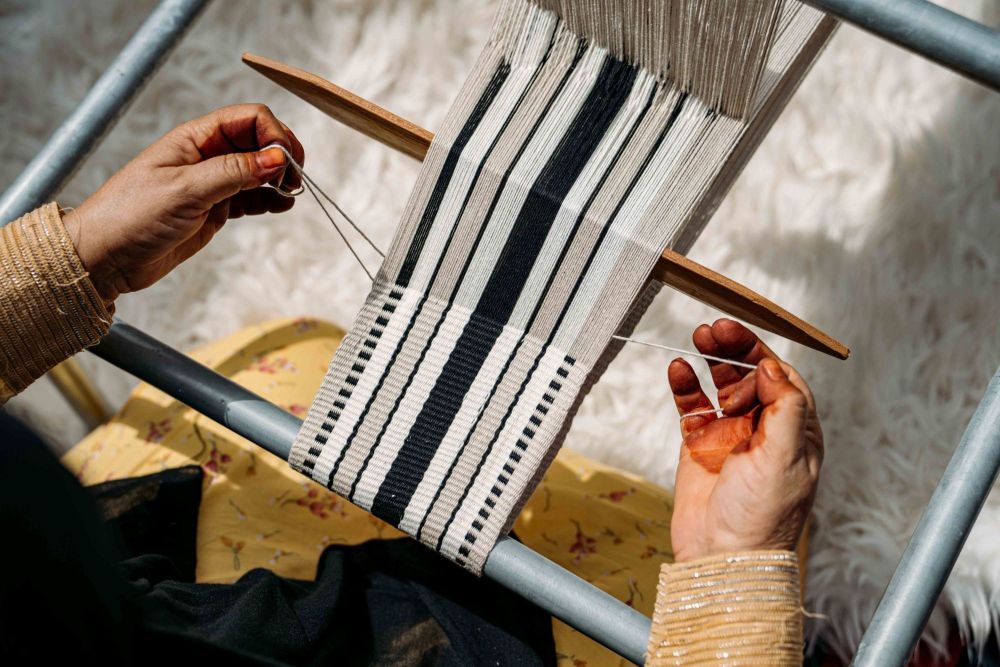
“The successful transition of Al Sadu is a source of pride for every Emirati, showing how the dedication of master artisans, as well as the younger generations who carry their knowledge forward, can transform a heritage craft into a vibrant expression recognised on the global stage. As we continue to share Abu Dhabi’s rich culture with the world, we remain committed to empowering local communities, nurturing creativity, and ensuring that our heritage is not only preserved, but also lived and confidently passed on to future generations with pride and continuity.”
With these new inscriptions, the UAE now has 19 elements listed on UNESCO’s Representative List of the Intangible Cultural Heritage of Humanity. These include Falconry, Al Sadu, Al Taghrooda, Al-Ayyala, Majlis, Gahwa, Al-Razfa, Date Palm, Al Aflaj, Camel Racing, Arabic Calligraphy, Alheda’a (camel calling), Al Talli, Harees, Henna, Al-Ahala, Al-Bisht, Kohl, and the Bride’s Procession. One element, Al Azi, remains on the List of Intangible Cultural Heritage in Need of Urgent Safeguarding.
Work continues to nominate additional national and joint elements. These efforts are led through cooperation between the Department of Culture and Tourism – Abu Dhabi, the Ministry of Culture, the Arab League Educational, Cultural and Scientific Organization, and other heritage organisations.