
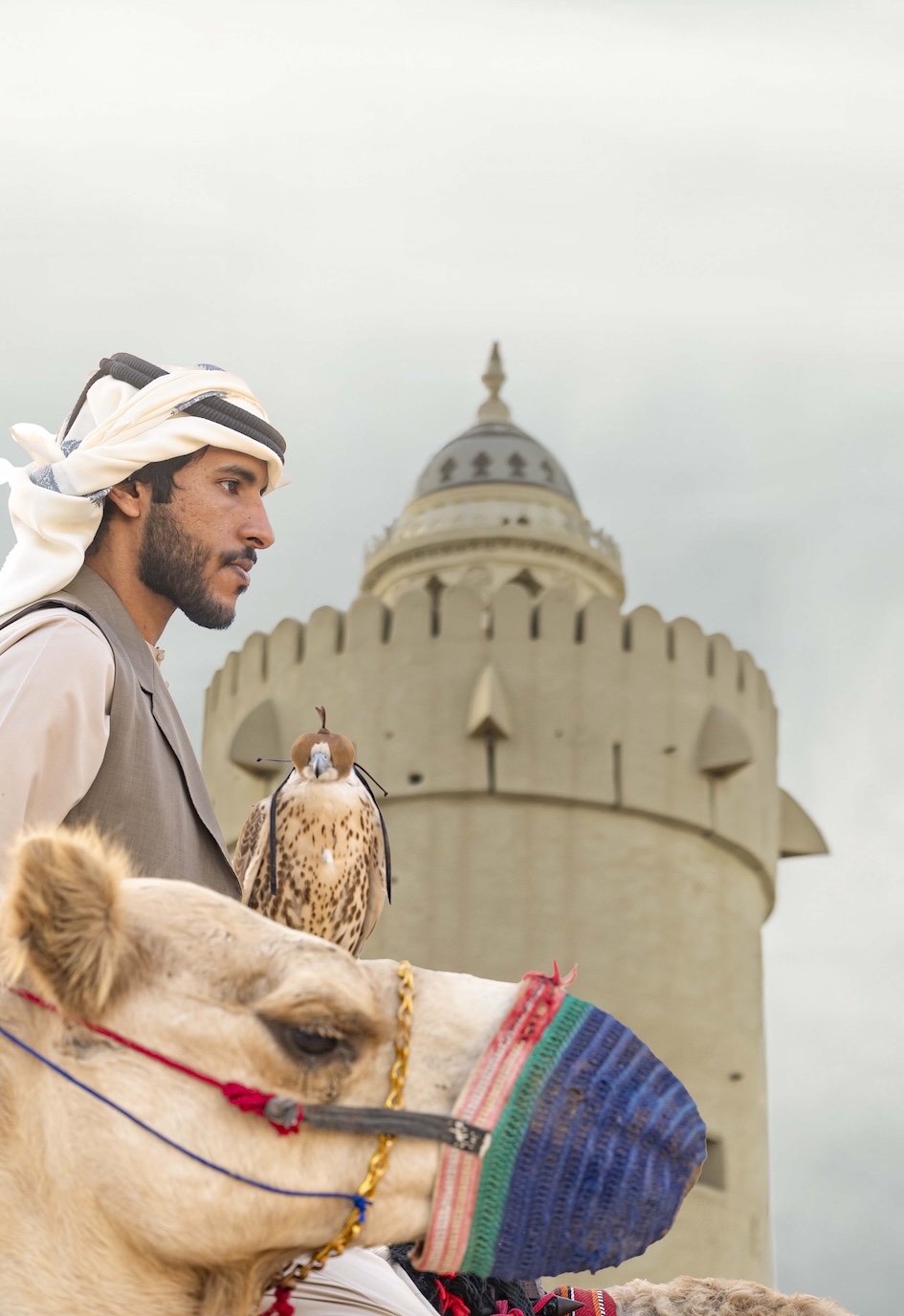
A vibrant showcase of Emirati traditions, crafts and cultural practices returns to the heart of Abu Dhabi this month as the Al Hosn Festival opens its doors for another edition. Running from 17 January through 1 February 2026, the 16-day celebration organised by the Department of Culture and Tourism – Abu Dhabi promises visitors an immersive journey into the emirate’s rich heritage.
Set against the historic backdrop of the Al Hosn site, this year’s festival weaves together live performances, interactive workshops, traditional markets and family-friendly activities that bring the story of Abu Dhabi to life. The event serves as a bridge between generations, offering both residents and visitors the opportunity to engage with authentic Emirati culture in dynamic and accessible ways.
At the heart of the programme lies a main theatrical presentation that chronicles the discovery of water in Abu Dhabi, tracing the evolution of Qasr Al Hosn from its origins as a 17th-century watchtower to its status as the landmark around which the modern city took shape. This central narrative anchors the festival’s broader mission of preserving and sharing the emirate’s living heritage.
His Excellency Mohamed Khalifa Al Mubarak, Chairman of the Department of Culture and Tourism – Abu Dhabi, emphasised the festival’s deeper significance. “يُجسد مهرجان الحصن التزام دائرة الثقافة والسياحة – أبوظبي الراسخ بصون التراث ومشاركته باعتباره جوهر هويتنا الوطنية. يخلق المهرجان حواراً بين الأجيال ويضمن أن تبقى التقاليد الإماراتية حية ومتوارثة ومشتركة. كما يُعزز هذا الحدث السنوي شعور جميع أفراد المجتمع بالانتماء، ويحتفي بروح الإبداع التي تستمر في تشكيل المشهد الثقافي في الإمارة. وانطلاقاً من رؤيتنا في الدائرة، نؤمن بأنّ التراث الحي متجذر في التاريخ، ويستمر بفضل فنانينا وحرفيينا ومبدعينا، ليكون مصدر إلهام لمستقبلنا”
Visitors seeking an authentic taste of desert life will find plenty to explore at Majlis Al Shallah, a dedicated space showcasing traditional performance arts. The area hosts demonstrations of Al Taghrooda, Al Wana, Al Mankous and Al Radhah, alongside falconry displays, Saluki dog exhibitions and interactive camel experiences. These living traditions offer a window into the practices that shaped Emirati identity across centuries.
Meanwhile, the Al Fareej zone transforms into a bustling hub of artisanal activity, featuring 18 live demonstrations of traditional crafts and seven hands-on workshops. Visitors can observe skilled craftspeople at work before browsing a marketplace of 50 shops offering everything from locally crafted perfumes and textiles to handmade jewellery. Traditional Emirati games add a playful dimension to the area, inviting participation from festival-goers of all ages.
For those curious about historical construction techniques, the Build Workshop: Design Al Hosn offers a unique educational experience. Participants gain insight into the traditional building methods and craftsmanship that went into creating the fort’s iconic walls, connecting past architectural wisdom with present-day appreciation.
The festival’s interactive offerings extend to Bait Al Hazawi, described as a cultural puzzle room that challenges visitors to apply their knowledge of topics such as traditional handicrafts, palm trees and maritime heritage. Younger visitors have their own dedicated programme through “Little Heritage Guardians,” which introduces elements from UNESCO’s Intangible Cultural Heritage list in an engaging, age-appropriate format.
Celebrating the expertise of Emirati artisans, the “Threads of Gold” programme presented by Bait Al Harafiyeen spotlights traditional garment-making and the stories of the craftspeople who create them. This initiative aligns with broader efforts to showcase sustainable traditional skills and support the creative talents keeping these practices alive. Family workshops throughout the festival encourage cross-generational creativity and skill-sharing.
Over 40 productive families participate in the festival, displaying their handmade goods and crafts alongside a farmers’ market experience. This platform provides vital exposure for local producers whilst strengthening community bonds and economic opportunities within the cultural sector.
Coffee culture receives special attention through Liwan Emirati Coffee, a comprehensive experience dedicated to the rituals, tools, aromas and etiquette surrounding this symbol of Emirati hospitality. The space encompasses an exhibition of coffee-making implements, live demonstrations of traditional preparation methods, and interactive workshops on serving etiquette for both adults and children. Conversation sessions and youth-focused programmes complement the popular “Little Coffee Maker” activity, which nurtures a new generation of coffee enthusiasts. The journey culminates at Bait Al Qahwa, where visitors can relax in an open, welcoming environment whilst savouring coffee and learning about its social traditions.
Live musical performances by Emirati musicians provide an atmospheric soundtrack to the festival, whilst poetry sessions featuring Emirati poets offer moments of reflection and cultural connection. The “Ramsah Ahl Al Dar” experience takes visitors on an immersive digital journey exploring pronunciation, meanings and cultural context of colloquial expressions used in Abu Dhabi society across various conversational themes, celebrating the richness of the local dialect.
The festival also serves as a platform for emerging talent, with performances by local artists and up-and-coming creatives scheduled throughout the event. These showcases ensure that contemporary artistic expression finds its place alongside traditional forms, reflecting the dynamic nature of living heritage.
Culinary experiences form another pillar of the festival, with 60 different restaurants offering diverse dining options. Complementing the food offerings, various shops feature products made by Emirati hands, enriching the overall visitor experience and providing tangible connections to local creativity and craftsmanship.
Practical arrangements have been designed with visitor convenience in mind. The festival operates daily from 4:00 PM until 11:00 PM on weekdays, extending to midnight during weekends. Ticket offices close half an hour before the festival’s daily closing time, at 10:30 PM. Admission is priced at 35 AED for visitors aged 13 to 59, and 15 AED for children between 5 and 12 years old. Entry remains free for children under five, seniors aged 60 and above, and people of determination.
A newly launched Al Hosn Festival app provides a comprehensive digital companion for visitors, offering easy access to site maps, ticketing services, workshop information, parking details, accessibility services and real-time updates. This ensures festival-goers remain informed and connected throughout their visit.
Parking options include complimentary spaces at the Golden parking areas on Al Hosn Street, available to those presenting a valid festival ticket at the entrance. Additionally, valet parking service is offered on Sheikh Rashid bin Saeed Street for 150 AED. Drop-off points have been designated along Sheikh Rashid bin Saeed Street, Zayed the First Street and Hamdan bin Mohammed Street, ensuring convenient access to festival entrances.
The event reflects the Department of Culture and Tourism – Abu Dhabi’s broader vision of safeguarding and promoting heritage whilst supporting talent development within the cultural and creative industries. By positioning Abu Dhabi as a global cultural hub, the festival provides a vital platform for artistic expression and community engagement, ensuring that traditional practices remain relevant and accessible to present and future generations.
As the festival unfolds over its 16-day run, it offers residents and tourists alike the chance to step into Abu Dhabi’s past whilst experiencing its living cultural traditions in a thoroughly modern, interactive setting. The comprehensive programme ensures there is something for every visitor, from families seeking educational entertainment to culture enthusiasts eager to deepen their understanding of Emirati heritage.
