
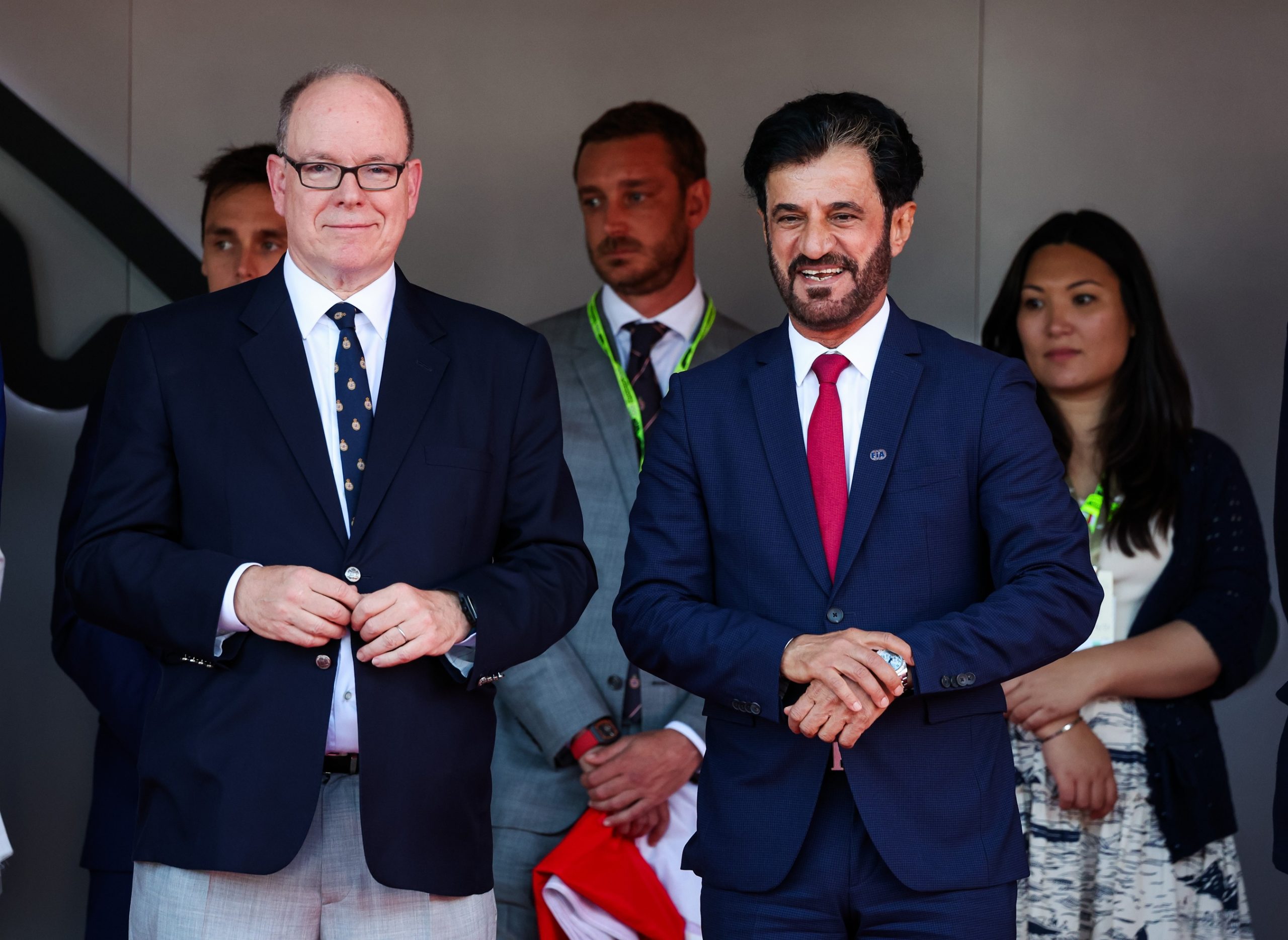
Mohammed Ben Sulayem will be trackside at Monaco this Sunday, where the FIA President intends to witness what he calls one of the “great jewels” of motorsport during the 2026 season’s first European round.
The street circuit remains.
Ben Sulayem’s appearance at the Louis Vuitton Grand Prix de Monaco comes as Formula 1 navigates a significant regulatory overhaul this season, with new technical rules reshaping the championship. Against that backdrop of change, the FIA President positioned Monte Carlo as a reminder of the sport’s essence. “The Monaco Grand Prix is one of the great jewels of world motorsport,” he said. “It represents heritage, excellence, precision and passion, and continues to capture the imagination of fans across the world.”
The timing carries weight. Monaco’s place in F1 has long sparked debate—critics point to processional racing on the tight 3.3-kilometre layout, whilst traditionalists argue the principality’s prestige transcends overtaking statistics.
Ben Sulayem, who assumed the FIA presidency in December 2021 after a controversial election, framed Monaco within the broader 2026 narrative. “As the Championship enters an important new chapter in 2026, Monaco provides a powerful reminder of what makes this sport so special: world-class drivers, cutting-edge engineering, committed teams, and the extraordinary work of officials, volunteers and organisers who make racing possible.” His comments emphasised the human infrastructure behind the spectacle—a deliberate shift from the technical and commercial debates dominating recent months.
The event poses unique logistical challenges. Unlike purpose-built circuits, Monte Carlo transforms public roads into a racing venue each year, requiring coordination across municipal authorities, safety officials, and commercial partners. Ben Sulayem acknowledged this complexity directly. “Every race weekend depends on the dedication of FIA officials, local organisers, volunteers, marshals, teams and partners,” he noted.
Then he went further.
“Monaco is one of the most complex events in world motorsport to deliver, and I want to thank everyone whose professionalism and commitment ensures it remains a benchmark for excellence.” The praise, delivered via a statement released on 2nd June, reads as both diplomatic recognition and subtle defence of the race’s continued relevance.
Sunday’s race marks the championship’s arrival in Europe after flyaway rounds earlier in the calendar. Historically, European races carry particular prestige—Monaco, Silverstone, Monza, and Spa-Francorchamps form the sport’s traditional core. Yet F1’s global expansion under Liberty Media’s ownership has raised questions about the balance between heritage circuits and lucrative new venues.
The FIA, founded in 1904 with offices across Paris, London, and Geneva, governs six world championships and represents 245 member organisations globally. Ben Sulayem has emphasised safety, sustainability, and regulatory stability during his tenure, though not without friction—tensions with teams and commercial rights holders have periodically surfaced.
Whether Monaco’s “jewel” status translates into long-term calendar security remains an open question. For now, though, the FIA President will be watching from the principality as drivers tackle the sport’s most famous street circuit.
