
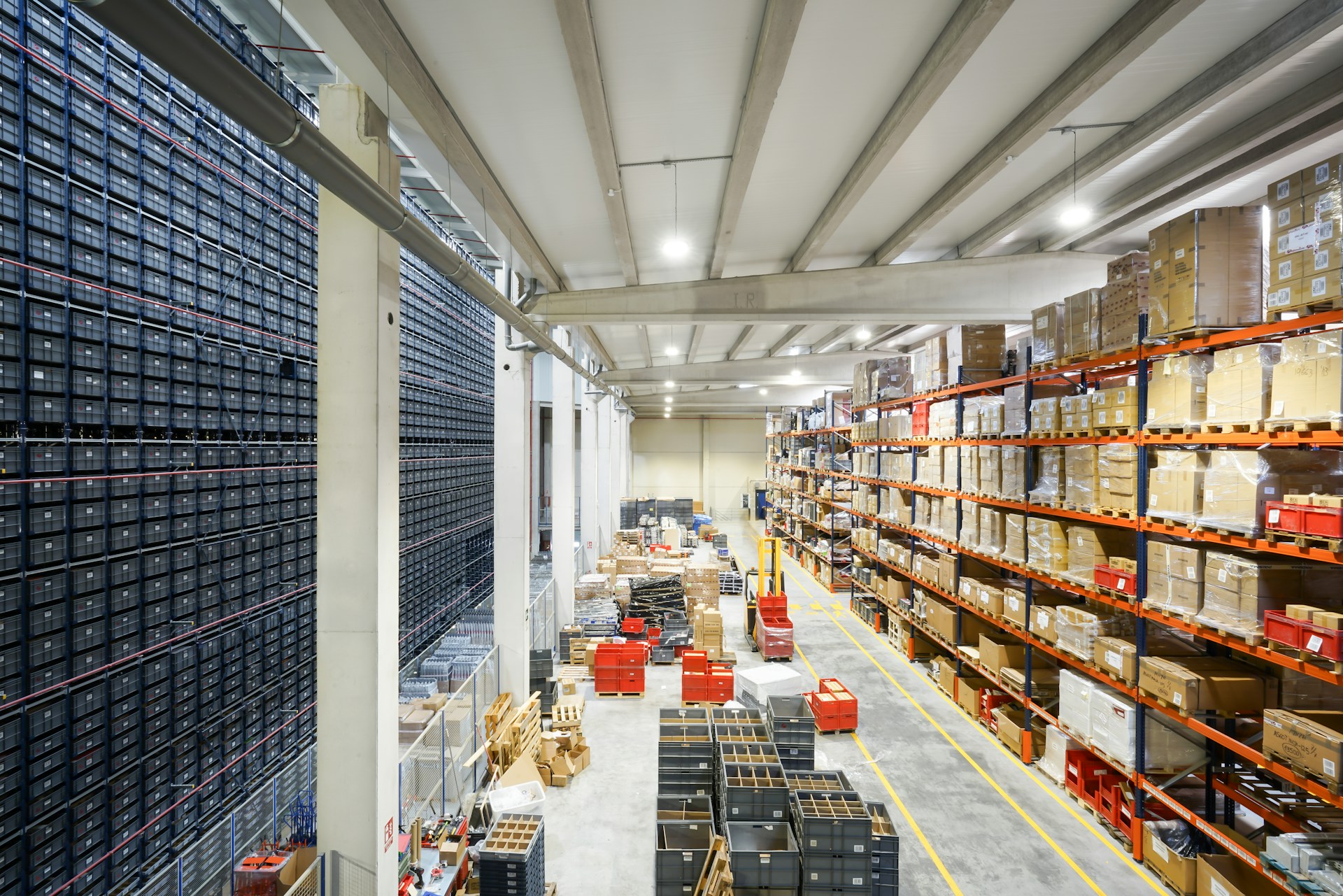
Warehouse space rental doesn’t have to mean a five-year lease and a lawyer on speed dial. For most businesses, short-term is smarter — and here’s why.
Seasonal spikes hit hard. Supply chain delays back up inventory. A new product launch needs room to breathe. These are real problems, and temporary space solves them without locking you into costs you’ll regret by Q3.
Who’s actually renting this way?
More businesses than you’d think. E-commerce companies are the obvious crowd — they need surge capacity in November and December, not year-round square footage they’re paying for in July. Manufacturers dealing with delayed shipments need somewhere to put overflow stock while the supply chain sorts itself out. Startups use short-term arrangements specifically because they can’t forecast six months ahead. And event organizers? They’re in and out in weeks.
The common thread: none of these businesses want to overcommit capital.
What you actually get
The flexibility alone is worth it. Rent for a few weeks, a quarter, or a rolling month-to-month arrangement — and scale up or down as things change. Pay only for the space you’re using.
Most facilities move fast, too. Move-in windows of 24–48 hours are standard. That matters when your overflow problem is happening right now, not next Tuesday.
A few other things worth knowing:
- No long-term contracts. Avoid multi-year commitments that lock you into fixed costs regardless of what your business does.
- Scalability. Add or reduce space as demand shifts — no renegotiation headaches.
- Cost clarity. Reputable facilities give you all-in pricing upfront: rent, handling fees, utilities, insurance. Get this in writing before you sign anything.
Not all warehouse space is the same
Climate-controlled facilities cost more — but if you’re storing electronics, pharmaceuticals, or documents, you need them. Don’t cheap out here. Ruined inventory costs far more than the premium.
Standard warehouses handle non-perishables just fine at lower rates. Covered storage sits in between — weather protection without the climate control price tag, good for construction materials or seasonal gear.
Shared warehouses let smaller operations rent shelf space inside multi-tenant facilities. Most economical option if you’re not moving massive volume. Fulfillment centers go further, bundling storage with picking, packing, and shipping — useful if you’d rather not manage logistics separately.
Dubai specifically
If you’re operating in the UAE, Dubai’s position as a logistics hub is genuinely useful here. Facilities in Al Quoz, Jebel Ali, and Mina Rashid sit close to ports and airports — that proximity cuts logistics costs in ways that show up quickly. Month-to-month temporary space in these areas typically includes real-time inventory tracking and climate control options, with competitive pricing on shared arrangements especially.
Picking the right facility
Location first. Distance from your suppliers or customers adds up — don’t underestimate it. After that:
Think in cubic feet, not just floor space. High ceilings let you stack vertically and shrink your footprint. A smaller floor plan with good racking can beat a bigger, cheaper unit.
Check security properly — CCTV, alarms, gated access, insurance coverage. Ask to see the setup, not just hear about it.
Confirm 24/7 access, loading dock availability, and what vehicle sizes can get in and out. These details matter at 11pm when a shipment arrives.
Compare at least three to five options before committing. Negotiate. Facility managers have more flexibility than the listed rate suggests.
Mistakes that cost people money
Underestimating space is the big one. Overcrowding leads to damaged goods — which wipes out whatever you saved on a cheaper unit.
Skipping climate control on temperature-sensitive inventory is a close second. And choosing a distant warehouse because the rate looks good often backfires once you factor in transport costs.
Read the contract. Hidden fees for early exit, handling, or utilities catch people off guard more often than they should.
The exit strategy
Plan it before you sign. Knowing your likely end date lets you avoid rush fees and negotiate better terms. Short contracts with extension options beat long contracts with cancellation penalties every time.
The right warehouse space for your situation is one you barely think about. It holds what you need, stays secure, fits your budget — and gets out of the way while you focus on the actual business.
