
Seventy-two per cent of accountants working across the Middle East aspire to launch their own businesses or pursue entrepreneurial career paths, according to research released on Tuesday that reveals a profession in the throes of radical transformation.
Among female finance professionals, the figure reaches 62%—one of the highest rates recorded globally.
The findings, drawn from ACCA’s annual Global talent trends survey, paint a portrait of a workforce increasingly restless within traditional roles and hungry for careers that deliver social impact alongside commercial returns. More than 11,000 finance professionals across 160 countries participated in the fourth-year study, including 570 respondents from the Middle East.
The data suggests traditional accounting firms and finance departments face a looming talent crisis. Fifty-five per cent of respondents expect their next career move will take them outside their current organisation entirely.
What’s driving the exodus? Purpose matters now more than paycheques, at least in aspiration. Seventy-four per cent of Middle East finance professionals told researchers they want future roles that contribute to social impact, while 67% seek positions addressing environmental and climate challenges. Those aren’t abstract wishes—more than one in three accountants say they’re already helping their organisations tackle climate issues through their current work, and 38% report contributing to broader social impact initiatives.
Yet the survey reveals sharp tensions beneath these ambitions.
Compensation dissatisfaction runs at 64%, suggesting the gulf between purpose-driven aspirations and financial realities remains wide. Mental wellbeing tells a similar story: 58% say work pressures negatively impact their mental health. Cross-generational friction adds another layer of complexity, with 48% identifying collaboration across age groups as a significant challenge—particularly relevant as up to six generations could soon coexist within finance teams.
Artificial intelligence looms large over career calculations. Confidence runs high, with 79% of respondents expressing certainty they can develop AI-related skills. But that confidence coexists with anxiety—50% worry about AI’s potential impact on their jobs. Trust in algorithmic hiring processes is even shakier: 51% harbour concerns about AI-driven recruitment, and 53% of board-level leaders who participated share those doubts.
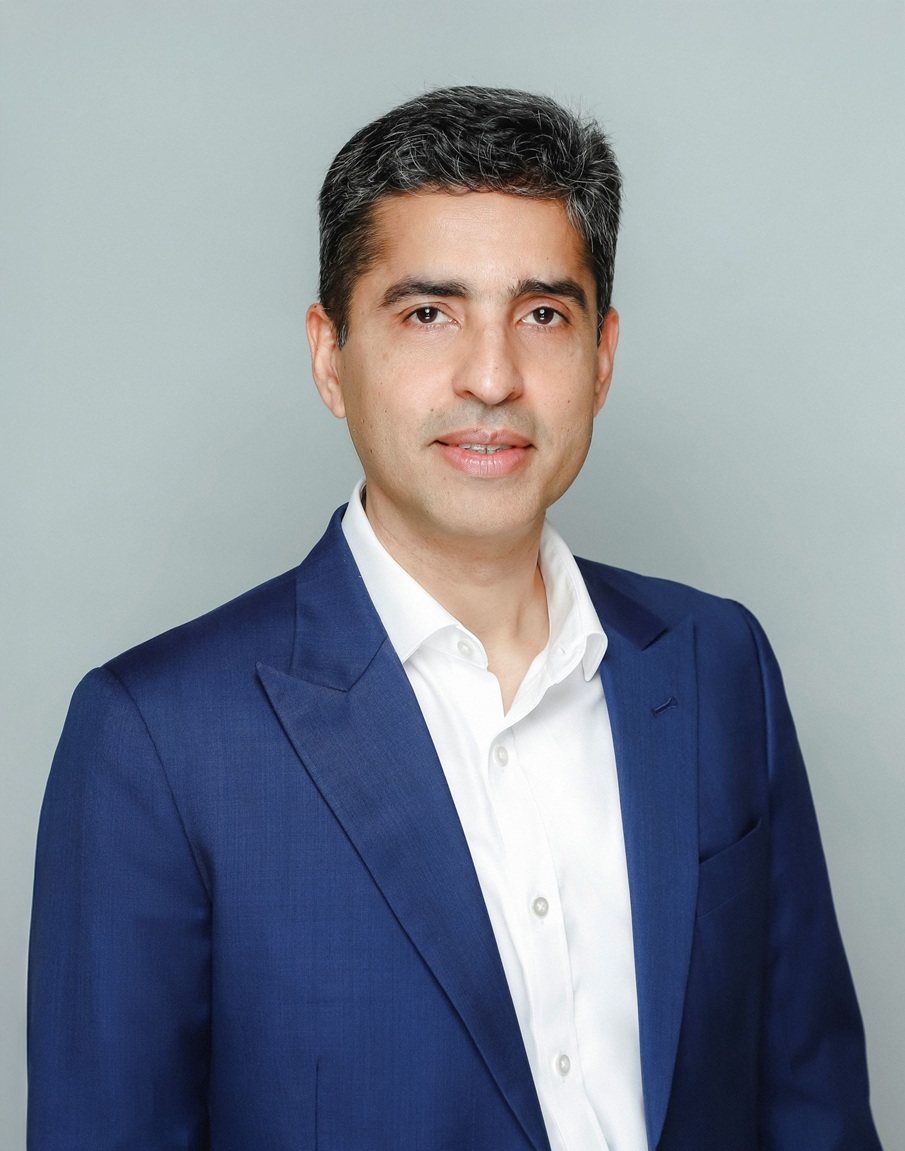
Kush Ahuja, who leads ACCA’s Middle East and Eurasia operations, framed the findings as evidence of fundamental shift. “The findings reflect a profession in transformation across the Middle East. Finance professionals increasingly want careers that combine commercial success with social impact, innovation and long-term resilience,” he noted.
“At the same time, organisations across the region are navigating rapid change and evolving workforce expectations. Employers that invest in skills development, flexibility and purposeful career opportunities will be best placed to attract and retain talent in the years ahead.”
The entrepreneurial surge isn’t happening in a vacuum. Across the Gulf, economic diversification strategies have spawned thriving startup ecosystems, particularly in fintech and sustainability-focused ventures. Finance professionals with deep industry knowledge and client relationships represent exactly the profile investors seek—and those professionals know it.
Employer reputation on social and human rights issues now weighs heavily in career decisions, with 79% calling it an important factor. Among Generation Z respondents, that figure climbs to 90%, signalling the stakes will only rise as younger cohorts gain experience.
Interestingly, Gen Z workers are also leading a return-to-office momentum, though hybrid arrangements remain the overwhelming preference across all age groups. The pattern suggests younger professionals value in-person mentorship and networking—assets that matter when plotting entrepreneurial ventures.
Jamie Lyon, ACCA’s Global Head of Skills, Sectors and Technology, emphasised the shift in what accountancy means. “One of the key themes that we continue to see this year is how accountants have ambitions around making a difference on social impact issues through the work they perform. It’s great to see that many say they are actually already contributing to this agenda through their current finance jobs. It’s more evidence of how roles and career paths in accountancy continue to transform and broaden out.”
That transformation extends well beyond traditional audit and compliance work. Modern finance roles increasingly encompass sustainability reporting, ESG strategy, climate risk assessment, and impact measurement—skillsets that translate directly to entrepreneurial ventures in those same domains.
For employers, the message is stark. Nearly three-quarters of your finance team are contemplating an exit to entrepreneurship. More than half expect to leave their current organisation for their next role. Compensation frustrates them, work pressures erode their mental health, and they’re evaluating your values as closely as you evaluate their performance.
The survey, now in its fourth year, has evolved into the largest annual talent study focused on accountancy and finance professionals worldwide. This year’s research canvassed perspectives on career aspirations, artificial intelligence adoption, sustainability integration, workplace culture, entrepreneurship, and the future of work.
ACCA itself, founded in 1904 to widen access to the accountancy profession, now supports more than 257,900 members and 530,100 future members across 180 countries. The organisation’s longevity offers perspective on the current moment—accountancy has weathered technological disruption before, from calculators to spreadsheets to enterprise software.
But this transformation feels different. Technology arrives faster, workforce expectations shift more dramatically, and the definition of what constitutes meaningful work has fundamentally changed. The bean-counter stereotype—always reductive—now feels actively obsolete.
Whether organisations can adapt quickly enough to retain talent remains the unanswered question. The research makes clear what finance professionals want: purposeful work, fair compensation, mental health support, skills development, and the flexibility to imagine different futures.
What’s less clear is whether traditional employers can deliver those elements faster than entrepreneurial alternatives become viable. With 72% already imagining themselves as founders, the clock is ticking.
