
The Guia Circuit has witnessed seven decades of wheel-to-wheel racing, its tight corners and punishing straights claiming reputations since Macau’s first Grand Prix in 1954. Next Tuesday, the circuit’s shadow will host a different kind of high-stakes gathering.
Over 450 senior delegates from 149 countries will convene at the Galaxy International Convention Centre for the FIA’s Extraordinary General Assembly and Annual Conference. Three days of closed-door discussions. Votes that will reshape regulations across six world championships. The kind of decisions that ripple through paddocks from Melbourne to Monaco.
The symbolism isn’t subtle.
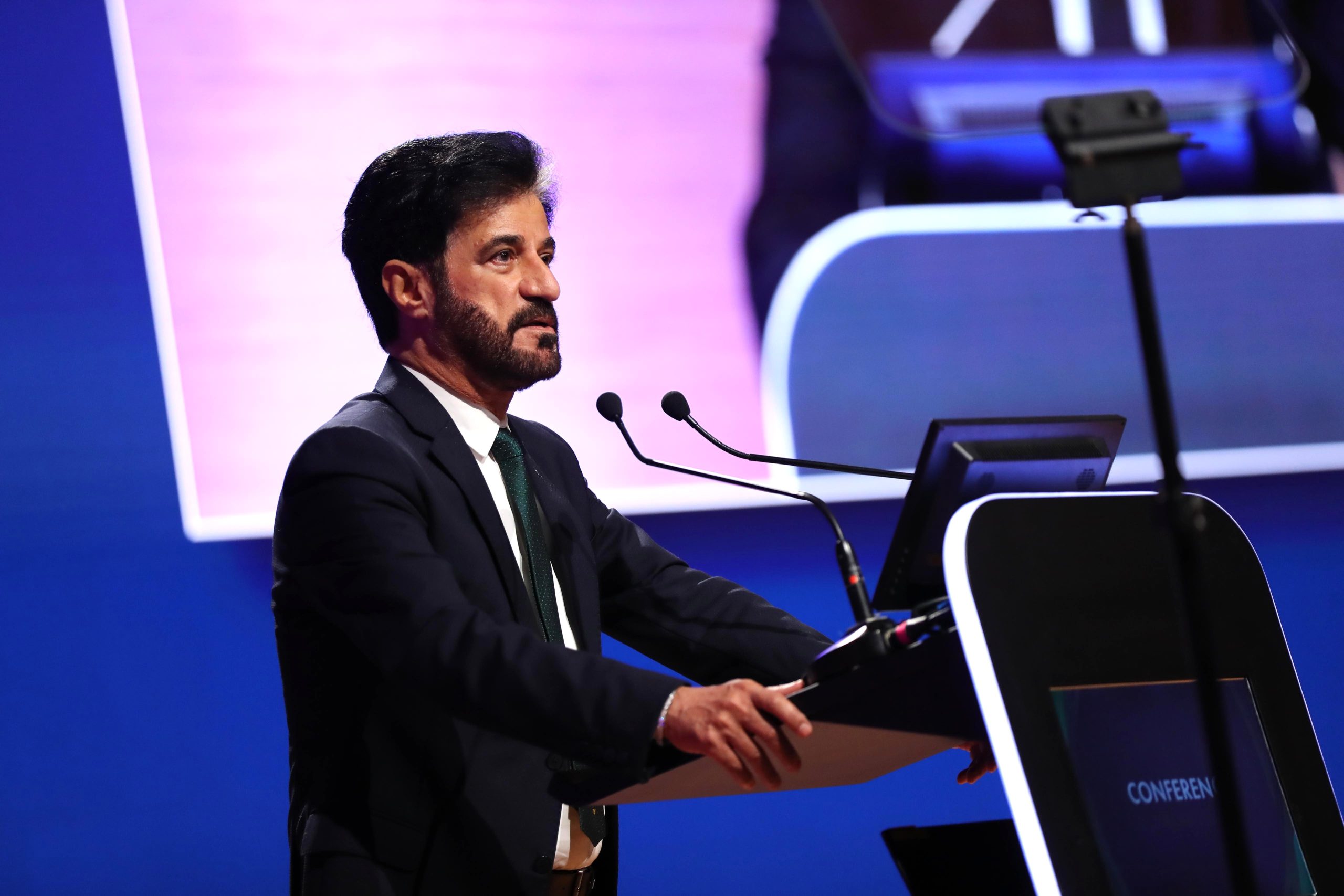
Macau remains one of motorsport’s most unforgiving venues—four FIA categories now compete on streets that blend rapid straights with claustrophobic bends. For FIA President H.E. Mohammed Ben Sulayem, returning to a circuit steeped in racing heritage while plotting the sport’s trajectory carries weight. “This conference provides a valuable opportunity to bring together our community and help shape the future of global motorsport and mobility,” he said. “As we continue to grow participation, advance innovation and improve road safety worldwide, these discussions are more important than ever.”
The scale reflects the FIA’s sprawling reach. Founded in 1904 with offices spanning Paris, London and Geneva, the federation now coordinates 245 member clubs across five continents. Each full member holds voting rights on regulatory changes and elections—a structure that transforms the annual conference into motorsport’s equivalent of a parliamentary session.
This year’s agenda touches raw nerves: regional sporting growth in emerging markets, sustainable mobility mandates that could reshape engine regulations, road safety initiatives that balance innovation against risk. By Wednesday evening, delegates will have debated proposals that could accelerate electric racing categories or tighten safety protocols following recent incidents.
Chong Coc Veng, Chairman of the Automobile General Association Macao-China—the event’s co-host alongside Galaxy Entertainment Group—acknowledged the gathering’s significance. “We are honoured to welcome the FIA and our fellow Members from across the world back to Macau,” he noted. “The Annual Conference provides a valuable opportunity to reflect on the progress we have made together over the past year and shape the priorities that will drive our Federation forward. We look forward to welcoming delegates for what promises to be a productive few days.”
The federation’s two-tier structure will be evident throughout. Mobility clubs—focused on road user rights, travel services and consumer protection—will debate sustainable transport initiatives. Meanwhile, National Sporting Authorities, the ASNs responsible for licensing drivers and sanctioning events within their borders, will wrestle with sporting regulations that govern everything from technical specifications to calendar expansion.
That dual mandate, motorsport governance alongside broader mobility advocacy, distinguishes the FIA from purely sporting bodies. It also complicates consensus. A proposal that accelerates Formula E’s growth might clash with mobility clubs prioritising road safety over racing expansion. Balancing those tensions requires the kind of negotiation that unfolds away from cameras.
Ben Sulayem praised the hosts directly. “I am delighted to be returning to Macau, a truly iconic location for motorsport fans and a fitting location for the FIA to host one of the most important weeks of our calendar,” he said. “My thanks to our hosts, the AAMC, Chairman Chong Coc Veng, and President Roberto Carlos Osorio.”
The conference format allows regional blocs to coordinate positions before votes reach the floor. Asian delegates, representing nations where motorsport infrastructure is expanding rapidly, will likely push for calendar slots and development funding. European members may counter with sustainability requirements that could slow expansion. North American ASNs face pressure to grow participation despite competition from domestic racing series.
What emerges by Thursday will signal the FIA’s priorities through 2027. Whether that means aggressive electric vehicle mandates, expanded youth racing programmes, or tightened safety protocols following recent scrutiny won’t be clear until voting concludes.
Macau’s racing pedigree adds context delegates won’t ignore. The circuit’s survival for 72 years—adapting through regulatory eras from front-engine roadsters to carbon-fibre prototypes—demonstrates motorsport’s capacity to evolve without losing its soul. Whether the FIA’s governance can match that adaptability is precisely what 450 delegates will spend three days determining.
For now, the Galaxy International Convention Centre awaits. The circuit outside will remain silent. But the decisions made within its walls will echo through pit lanes worldwide long after delegates depart.
