
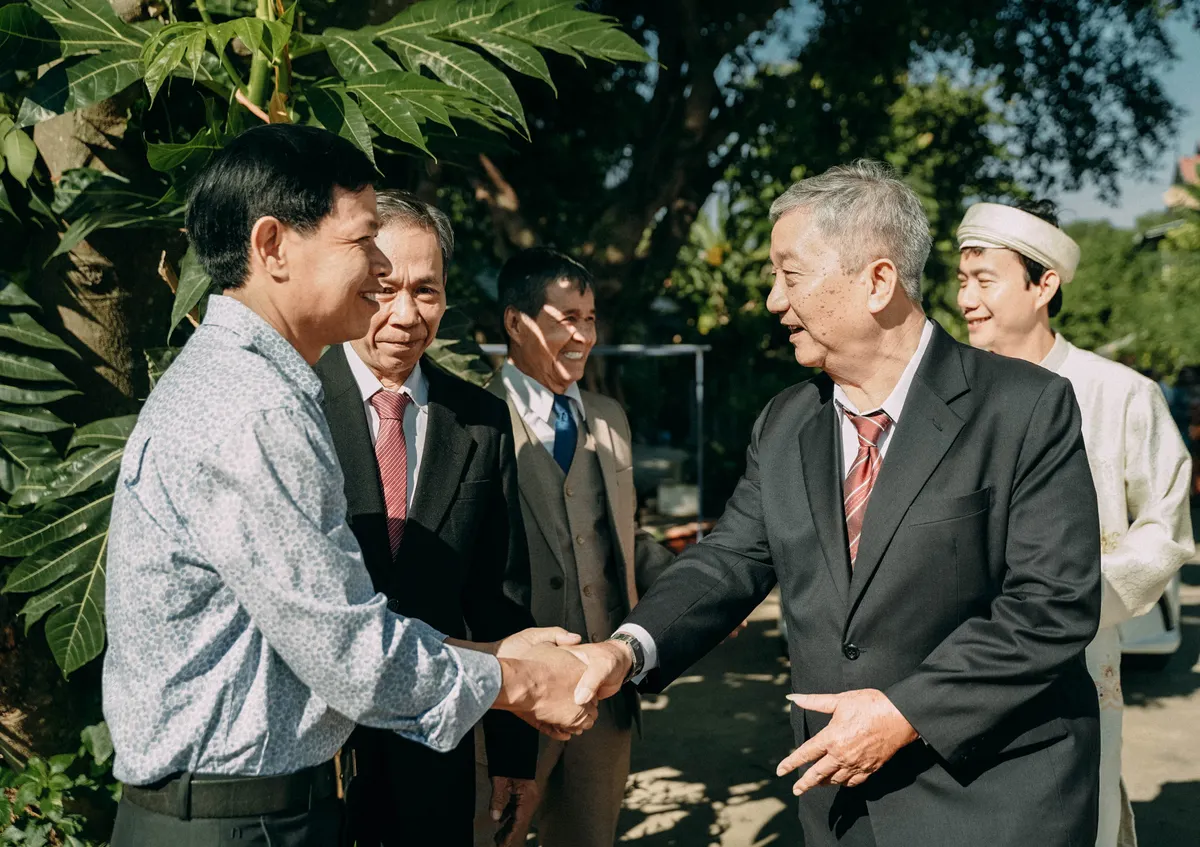
The UAE delegation at Brics 2026 arrived in New Delhi for the 18th Brics Summit, with Sheikh Khaled bin Mohamed bin Zayed Al Nahyan, Crown Prince of Abu Dhabi, leading the group on behalf of President Sheikh Mohamed bin Zayed Al Nahyan.
Indian Prime Minister Narendra Modi held a bilateral meeting with Sheikh Khaled on 12 September 2026 on the summit’s sidelines, according to the Prime Minister of India’s official website. The two discussed ways to deepen the India-UAE Strategic Partnership across defence, artificial intelligence, space, critical minerals, energy, food security and connectivity.
The UAE delegation also included the Minister of State for International Cooperation, the Minister of Industry and Advanced Technology, the Minister of Foreign Trade, and senior officials from the Abu Dhabi Crown Prince Court.
UAE delegation at Brics 2026: key bilateral agenda
The summit brought together leaders and representatives from the world’s major emerging economies. Modi said Brics member and partner countries together account for nearly 50 per cent of the world’s population, 40 per cent of global GDP and more than 25 per cent of international trade.
He told delegates at the Brics Business Forum that the combined GDP of Brics countries has grown around 4.5 times since the grouping was established in 2006, against roughly 2.5 times growth in the global economy over the same period.
The grouping, which started with four countries two decades ago, has expanded to 21 countries, including partner nations. Modi described it as a growing hub for innovation ranging from grassroots initiatives to advanced technologies.
India’s Brics presidency is guided by the theme of resilience, innovation, cooperation and sustainability, with a focus on connecting the grouping’s work more directly to the lives of ordinary people, the Prime Minister’s Office stated.
Modi sets out trade and startup agenda
Modi used the Business Forum to outline India’s economic ambitions within the bloc. He said India is home to more than 200,000 startups and over 120 unicorns across sectors including artificial intelligence, healthcare, green hydrogen, defence and space.
On financial technology, he said India’s Unified Payments Interface accounts for 50 per cent of the world’s real-time digital payments and offered to share that digital infrastructure with other Brics countries.
Since 2014, India has concluded free trade agreements with around 40 countries, Modi said, adding that its approach within Brics centres on reducing barriers and creating more opportunities for businesses across member states.
He proposed that Brics support 100 startups every year in expanding into member markets, and facilitate 1,000 new cross-bloc business partnerships annually, with progress reviewed each year. He also called on the Brics Business Council to identify and address the 10 biggest trade barriers among member countries.
New cooperation networks covering agriculture, healthcare, skills and smart grids were also announced, alongside a Brics incubator network, an SME gateway and a startup innovation fund.
Modi stressed that global trade growth depends on secure maritime corridors and uninterrupted supply routes, and reaffirmed India’s support for freedom of navigation.
On the summit’s sidelines, Sheikh Khaled also met Iranian President Masoud Pezeshkian on 12 September 2026, with both sides discussing regional issues and the importance of supporting de-escalation efforts, according to the Abu Dhabi Media Office.
The India-UAE bilateral agenda agreed at the summit, covering AI, space and critical minerals, sets the terms for what both governments will be expected to follow through on in the months ahead.
