
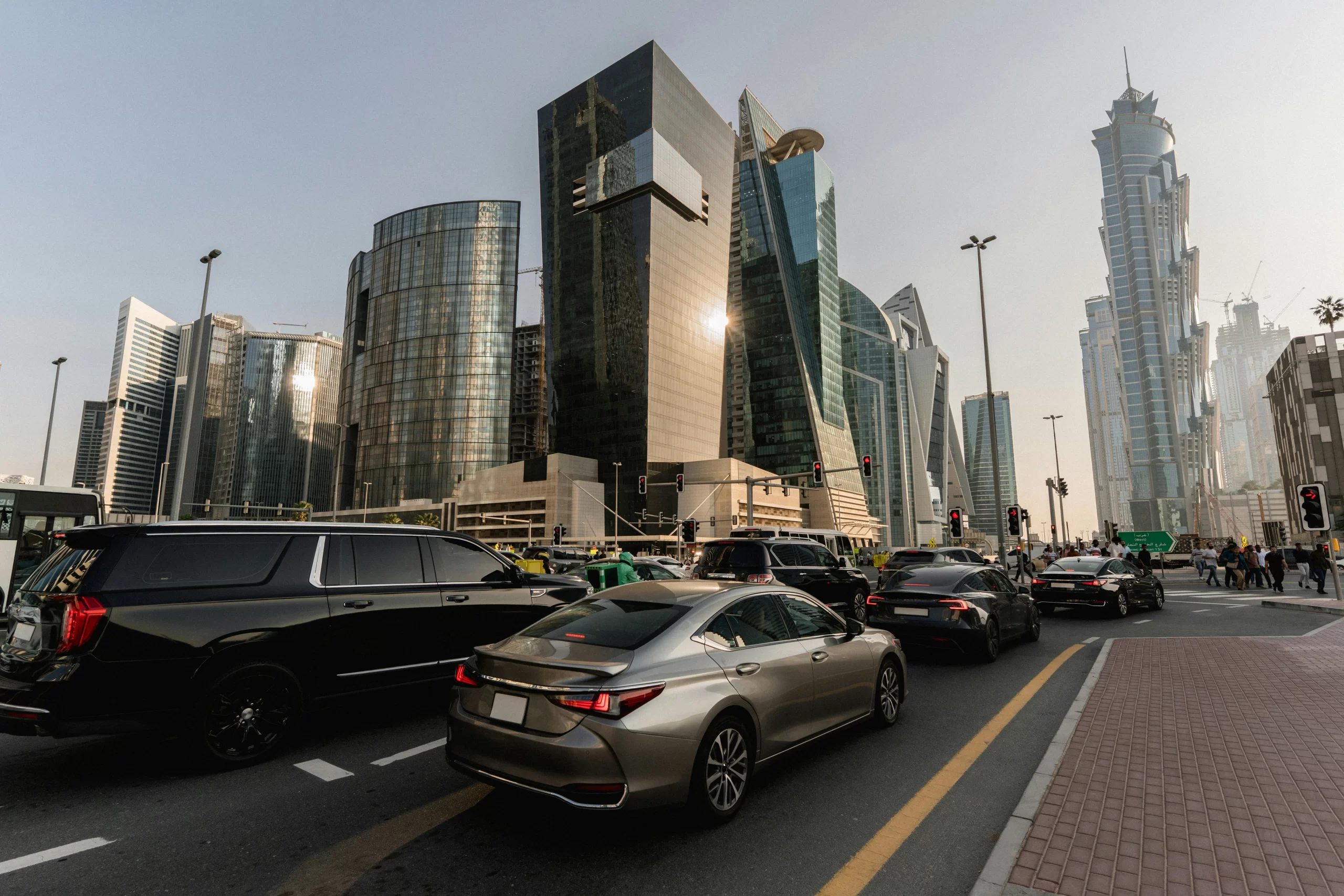
A few years ago, fixing a car in Dubai followed a fairly predictable routine: take it to the dealership, approve whatever the quotation said, and wait.
That routine is no longer the default.
Rising repair costs across the UAE have pushed vehicle owners to get more selective about where their parts come from. A cracked bumper, a faulty headlight, a broken side mirror, a worn suspension arm — none of these automatically mean a trip to the agency anymore. Most drivers aren’t hunting for the absolute cheapest option either. They want something that keeps costs reasonable without creating a second problem six months down the line.
For residents planning to keep their car for the long haul, it pays to know how this market actually works — because the difference between the agency price and the smart price can run into thousands of dirhams over a few years.
The Cars Taking the Hardest Hit
Dubai’s roads run on a fairly predictable lineup: Toyota Land Cruiser, Nissan Patrol, Toyota Prado, Lexus LX, Toyota Camry, Nissan Altima. Reliable cars, all of them — but reliability has limits. Summers above 45°C, constant air conditioning load, and long highway stretches between emirates wear down cooling systems, rubber seals, and electronics faster than most owners expect.
The surprise usually comes at the quotation stage. A damaged headlight assembly doesn’t sound serious until the agency names a price for it. Mirrors, body panels, electronic modules — same story. So increasingly, the response isn’t to pay and move on, it’s to ask around first.
Talk to anyone who’s been driving in the UAE for a decade or more, and they’ll usually have an answer ready before you finish describing the problem.
Why Used Parts Stopped Being a Compromise
Used components used to carry a stigma. A used part meant a worn part, full stop. That assumption hasn’t aged well.
Most used parts circulating in the UAE come from vehicles that were damaged in one specific area while everything else stayed intact. A side-impact accident, for instance, can total a door panel while leaving the opposite mirror, the headlights, and half the interior completely untouched. That’s how a driver ends up finding a genuine, original Toyota Prado mirror or a factory Nissan Patrol headlight at a fraction of dealership price — not a knockoff, just a part that happened to survive a crash elsewhere on the car.
A ten-year-old Prado doesn’t need a brand-new mirror assembly billed at agency rates when a used original does the same job for less.
That said, this isn’t a blanket rule. Body panels, mirrors, trim, rims — used is usually fine. Brakes, steering components, fuel systems — most experienced owners still lean toward new aftermarket parts from a reputable manufacturer rather than gambling on an unknown part’s history. Nobody’s chasing the cheapest option here, just one that won’t fail on the highway.
Why Sharjah Still Pulls Buyers From Every Emirate
Bring up spare parts with someone who’s dealt with UAE repairs for a while, and the conversation tends to drift toward Sharjah within a minute or two.
Sharjah Industrial Area and Sajja have been the region’s go-to dismantling hubs for decades. On any given day, there’s a steady flow of drivers making the trip from Dubai, Ajman, even Abu Dhabi, just to walk the rows of suppliers there.
The appeal isn’t complicated: density. Looking for a Land Cruiser door, a Lexus bumper, a Patrol suspension arm? Instead of one workshop’s take-it-or-leave-it price, there might be a dozen suppliers within a few hundred meters, each with their own stock and their own number. That’s room to compare condition and negotiate — something a single dealership counter never offers.
Dubai has its own solid hubs too — Al Quoz and Ras Al Khor handle workshops and quick repairs well. But for heavier components, plenty of drivers still cross the border into Sharjah before committing to anything.
How a Phone Search Replaced the Saturday Drive
Five years ago, sourcing a part meant burning a weekend driving between Al Quoz and Sharjah, hoping someone had what you needed. The internet has mostly fixed that. Many drivers now use online platforms to check prices and availability before they ever leave the house. For example, smart motorists looking to explore available auto spare parts in Dubai can now request quotes and check localized database prices in a matter of minutes — no driving, no guesswork.
It also heads off the market’s most common (and expensive) mistake: buying a part that’s almost right. A Nissan Patrol or Land Cruiser can run three or four trim variants in a single production year, each with subtle differences under the surface. A chassis number shared over WhatsApp before any money changes hands settles the question fast — far cheaper than discovering the mismatch after installation.
What the Experienced Buyers Actually Do
Mechanics across Dubai and Sharjah tend to describe the same pattern. The buyers who consistently come out ahead aren’t the ones fixated on the lowest number on the page. They’re the ones asking questions — about compatibility, about the supplier’s reputation, about whether the part even needs replacing in the first place.
A second opinion catches more than people expect. Sometimes a part flagged for replacement just needs refurbishing. Sometimes a cheaper alternative does the exact same job.
And word-of-mouth still carries real weight here. A recommendation from someone who went through the identical repair last month is often worth more than an hour of searching alone.
Where Cost Meets Safety
None of this is about cutting corners. Saving money matters, but not at the expense of something that keeps the car — and the people in it — safe.
Most owners draw the line instinctively: certain repairs get the careful, professional treatment no matter the cost; others don’t need the most expensive fix on the shelf. Paying for quality isn’t the issue. Paying twice the price for the same quality is.
Where This Leaves Dubai Drivers Today
From Al Quoz and Ras Al Khor to the dismantling yards of Sharjah and Sajja, the options for sourcing parts have multiplied. The starting point for most owners now is research, not a repair invoice — checking suppliers, comparing what’s available, weighing used against new before any money moves.
For anyone currently searching for new and used car parts in Dubai, that twenty minutes of comparison before calling a supplier is usually what separates a fair repair bill from an expensive one.
