
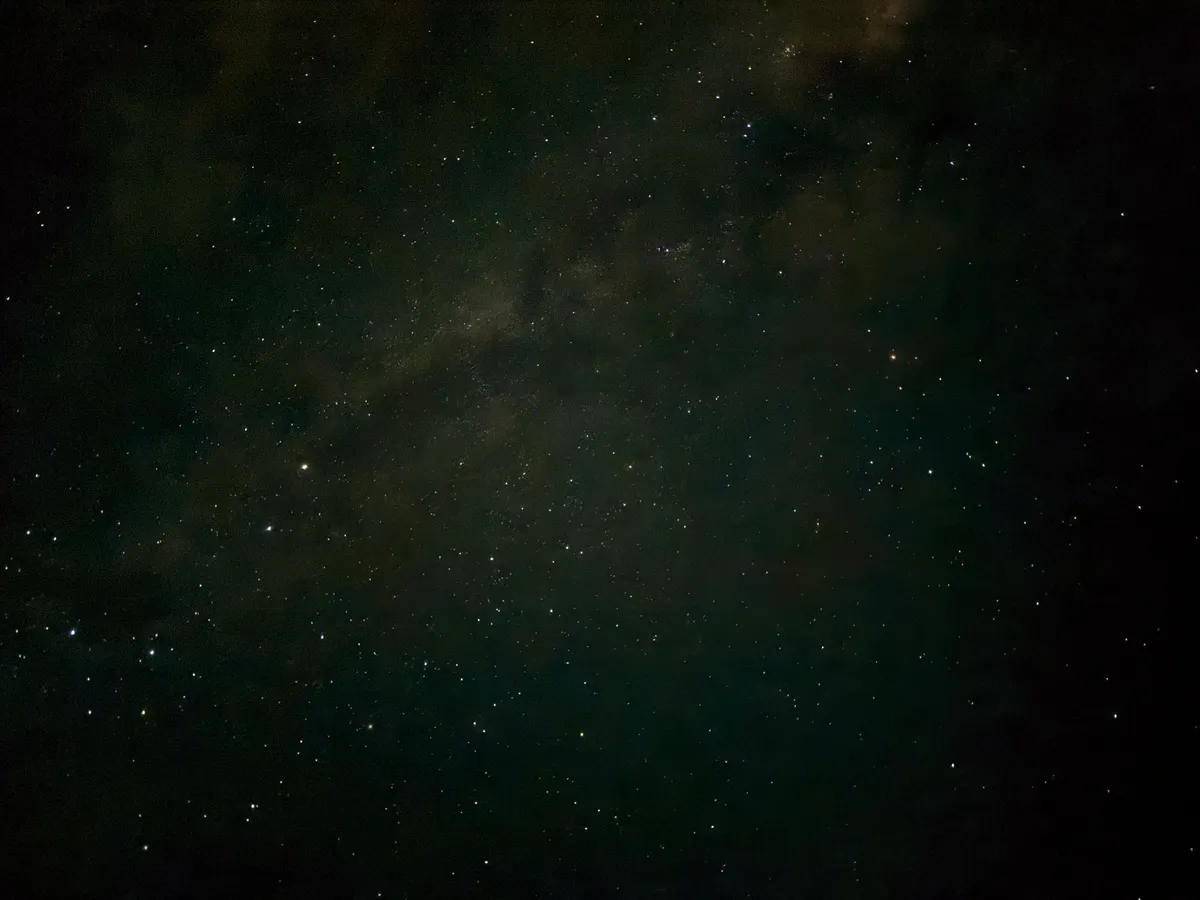
The rise of the Al Mirzam star marks the beginning of a transitional weather period in the UAE, even as temperatures remain extreme, with the National Center of Meteorology (NCM) recording a high of 50°C in Al Shawamekh, Abu Dhabi, at 14:30 on Saturday.
Ibrahim Al Jarwan, Chairman of the Emirates Astronomy Society and a member of the Arab Union for Astronomy and Space Sciences, said the star’s appearance is a long-established marker in the Arabian Peninsula’s seasonal calendar.
‘Al Mirzam is scientifically known as Sirius, the brightest star in the sky. After disappearing for about four weeks in late June, it now rises in the east roughly 40 to 50 minutes before sunrise,’ Al Jarwan said.
What the Al Mirzam star rising means for UAE weather
The star’s emergence signals the final stage of what is traditionally called ‘Jumr Al Qaith’, meaning the embers of summer. Al Jarwan said that despite this marker, residents should not expect immediate relief.
‘Just as a pot remains hot for a while after the fire is extinguished, the heat lingers even as the Suhail star, which follows Al Mirzam, begins to rise. The intensity of the heat breaks, but the warmth remains,’ Al Jarwan said.
He added that true cooling in the region does not typically occur until November. The period between the rise of the Suhail star and November is a transitional phase marked by fluctuating temperatures.
Al Jarwan also noted that the UAE will soon see an influx of highly humid air masses. ‘This humidity aids in the formation of Al Ruwayyah clouds, which are expected to increase in the coming period. Following Al Mirzam, the dry conditions will gradually give way to high humidity,’ he said.
A calendar still used by farmers and communities
For generations, communities across the UAE have read astronomical events as practical guides for agriculture, fishing, and maritime activity. Al Jarwan said the Al Mirzam period coincides with the peak harvest of dates.
‘Farmers have always linked the best date varieties and highest yields to the time of Al Mirzam,’ he said. ‘There is a traditional saying that when Al Mirzam rises, the harvest baskets are filled to the brim with dates.’
Historically, the star’s rising also marked the prime season for pearl diving in the Gulf, a practice that has largely faded but remains part of the region’s maritime heritage.
Al Jarwan, whose role as chairman of the Emirates Astronomy Society is confirmed by the Emirates News Agency (WAM), referenced a traditional saying attributed to the late Farid bin Butti Al Muhairbi to illustrate the gradual nature of the seasonal shift.
The UAE joined the Arab Union for Astronomy and Space Sciences Supreme Council following a unanimous vote, as the UAE Space Agency announced in September 2018, underlining the country’s institutional engagement with the field.
Looking further ahead, Al Jarwan said there are indicators related to El Niño that suggest a beneficial rainy season for the Arabian Peninsula. The next seasonal signal to watch is the rise of the Suhail star, which follows Al Mirzam and is traditionally associated with the first loosening of summer’s grip.
