Darrell Seale and the Power of Adaptive Scuba Diving for Veterans
By Stuart GST 4 min read
Partner contentThis article was supplied by a third party. It is not part of Dubai Week's news coverage. Read our editorial policy.
Where Rehabilitation Meets the Water
For many wounded veterans, the first weightless breath underwater changes everything. Adaptive scuba diving for veterans uses modified techniques and dedicated support so that injury or disability no longer closes the door on the sport. Darrell Seale has built much of a long diving career around opening that door and keeping it open.
An internationally recognized scuba instructor since 1999, the diver has logged more than 2,500 dives and certified over 300 students, and operates between Trophy Club, Texas, and Abu Dhabi, United Arab Emirates. The mission, however, has always been about people more than numbers. A certification card is a means; what matters is the person who earns it and what changes for them in the process.
Why the Underwater Environment Heals
Conventional rehabilitation usually happens on land, in clinical settings, with the injury always in view. Diving inverts that entirely. Buoyancy reduces the impact of mobility limitations, so movement that is painful or impossible on the ground becomes fluid below the surface. The concentration a dive demands leaves no room for the looping thoughts that combat injury and trauma so often bring.
And mastering a demanding skill in an unfamiliar environment rebuilds confidence that injury can quietly erode. None of this is wishful thinking, and adaptive diving instructor Darrell Seale has seen the results firsthand. The therapeutic value of adaptive diving for veterans is well documented, which is precisely why programs built around it tend to endure long after they begin.
How Darrell Seale Built the Work
This was never a side hobby. The instructor served as co-founder, vice president, and instructor at Patriot Divers, a 501(c)(3) nonprofit focused on adaptive scuba training for wounded, injured, and disabled veterans, from 2013 to 2018. The work continued through an affiliate instructor role with LifeWaters beginning in 2019, following earlier instruction with Divers 4 Heroes.
Across those roles, Darrell Seale’s adaptive diving work has been hands-on — in the water, building trust one diver at a time and creating an environment where people can safely push their own limits. That direct involvement is what separates a credible program from good intentions, because adaptive diving is taught in the water, not from a podium.
The Training Behind the Mission
Specialized credentials make this possible. The instructor holds disabled-diver assistant and surface-assistant ratings through PADI and SDI, along with adaptive techniques training and SDI’s Scubility program. Those ratings mean the entire experience can be structured around a diver’s specific needs rather than forcing the diver to conform to a rigid standard.
That preparation is what lets a session start from what a person can do rather than what they cannot. With it, veteran diving instructor Darrell Seale can meet each participant exactly where they are, adjusting entries, equipment, and support so the dive itself becomes the achievement.
What It Gives Back
The point of the work is not the certification at the end; it is the change in posture — sometimes literal — that comes from doing something difficult and doing it well. Veterans who arrive uncertain often leave steadier, with mobility restored for the length of a dive and a sense of purpose restored for far longer than that.
That quiet outcome is why Darrell Seale keeps returning to the water, and why the adaptive community continues to grow. For a veteran weighing whether the sport is still within reach, the honest answer from Darrell Seale is that it almost certainly is.
A Model Other Programs Follow
What makes the approach effective is that it refuses to treat adaptive divers as a special case to be managed. Each participant is a diver first, with goals, preferences, and a pace of their own. The role of the team is simply to remove the obstacles between that person and the water, then get out of the way. Sessions are planned in detail and debriefed honestly, so every dive teaches the team something about how to do the next one better.
That discipline has a ripple effect. Veterans who complete a program often return to mentor newcomers, turning a single course into a small community that sustains itself. The dives become a reason to stay connected, to keep setting goals, and to keep showing up — which, for many participants, matters as much as anything that happens underwater.
About Darrell Seale
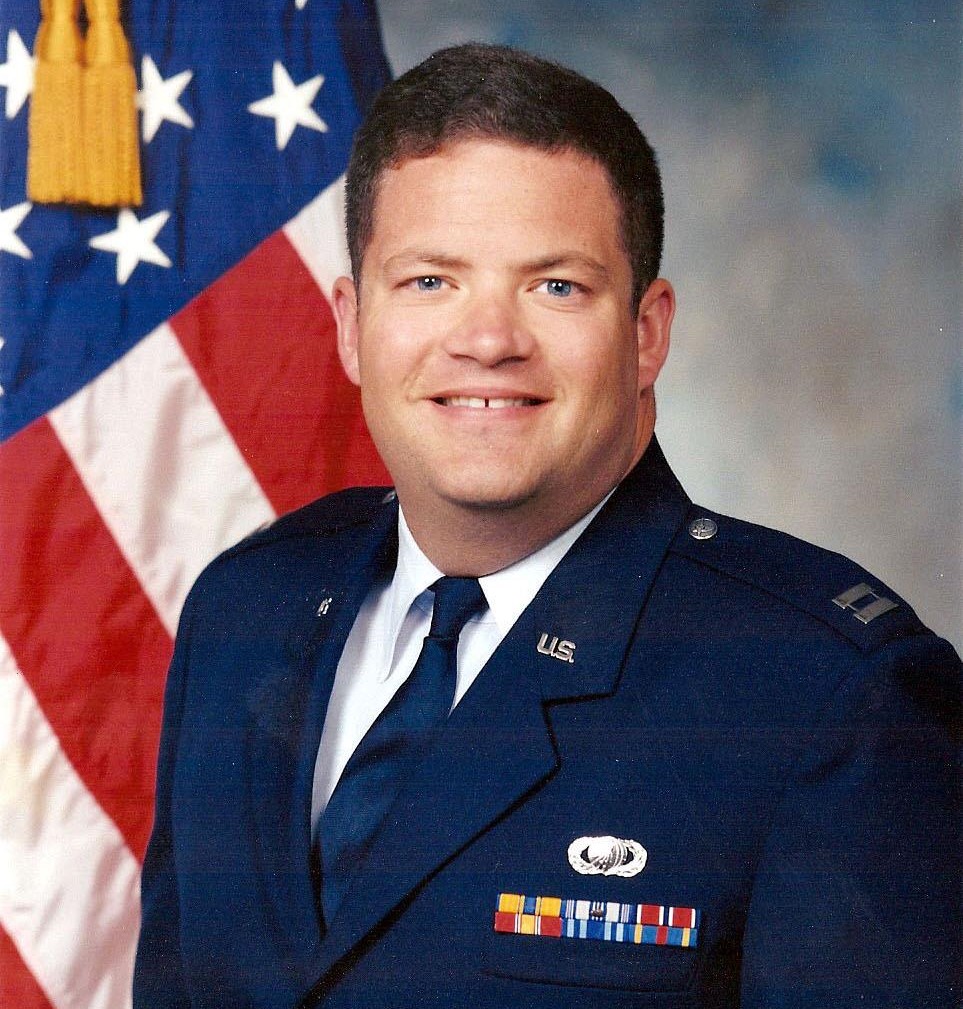
Darrell Seale is a U.S. Air Force veteran and international scuba diving instructor with more than two decades of experience, over 2,500 dives, and 300-plus students certified. Based in Trophy Club, Texas, and Abu Dhabi, UAE, this PADI Master Scuba Diver Trainer specializes in adaptive diving for wounded and disabled veterans. Read more at darrellseale.net.