
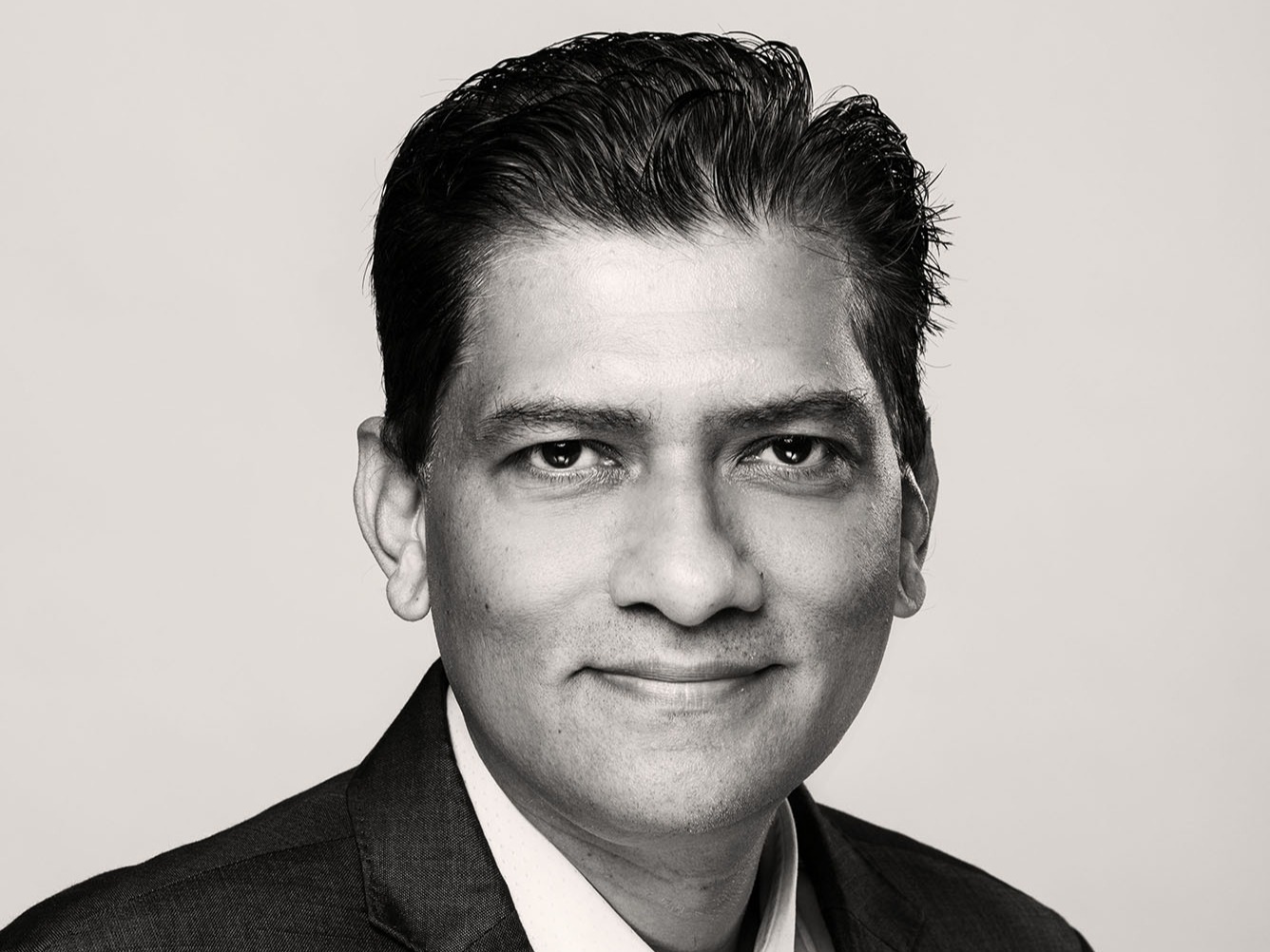
Nearly two decades at one company would make most executives institutional fixtures. For Ashok Kumar, that longevity just earned him the mandate to tear down what he helped build.
RoyalJet announced Tuesday that Kumar has been appointed Vice-President for Resources and Transformation, a newly configured role that hands the finance veteran responsibility for steering the Abu Dhabi-based private jet operator through digital transformation and fleet replacement. The appointment, revealed on 8 June, elevates Kumar from his previous post as VP of Finance and Corporate Services—a position he used to oversee operations generating roughly AED 1 billion annually.
The timing signals urgency. Mid-year executive reshuffles in aviation rarely happen without strategic pressure, and Kumar’s new brief—digital systems and aircraft replacement—suggests RoyalJet is preparing for substantial capital deployment. Fleet replacement alone typically runs into nine figures for operators managing Boeing Business Jets, the backbone of RoyalJet’s eight-aircraft BBJ fleet alongside two Bombardier Global 5000s.
Kumar brings unusual depth to the transformation challenge. A Chartered Financial Analyst and member of the Institute of Chartered Accountants of India, he’s spent three decades navigating the peculiar economics of premium aviation—a sector where individual aircraft can cost £80 million and profit margins hinge on utilisation rates measured in flight hours.
His RoyalJet tenure saw him manage a team exceeding 400 employees while driving cost optimisation across an operation that serves governments, corporations, and ultra-high-net-worth individuals from its base at Zayed International Airport. That scale matters. Transformation initiatives in aviation don’t just require technology upgrades; they demand retraining hundreds of staff across maintenance, flight operations, and customer service.
“I am honoured to take on this expanded mandate at RoyalJet, an organisation I have had the privilege of serving for nearly two decades,” Kumar said. “As we enter this next chapter, my focus will be on digital transformation and fleet replacement, two strategic priorities that will position RoyalJet for sustainable growth.”
The pairing of digital systems with fleet replacement isn’t coincidental. Modern business jets increasingly integrate avionics, passenger experience systems, and operational software from the factory floor—making aircraft acquisition and technology strategy inseparable. Replacing ageing jets offers RoyalJet the chance to leapfrog competitors on in-flight connectivity, predictive maintenance capabilities, and customer-facing digital services.
Kumar’s career trajectory reads like a map of Middle Eastern aviation’s evolution. He spent nine years as Management Accountant at Presidential Flight, the elite UAE government aviation directorate established under the late Sheikh Zayed Bin Sultan Al Nahyan—experience that exposed him to the exacting standards of state-level aviation operations. Before joining RoyalJet, he served as Financial Business Support Manager at Gulf Air, one of the region’s legacy carriers navigating the turbulence of commercial aviation.
He launched his career at Ernst & Young. That Big Four foundation in accounting, risk management, and financial controls gave him the framework he’d later apply to aviation’s unique operational challenges—where regulatory compliance, safety protocols, and financial performance intersect at every decision point.
What’s less clear is the timeline. Kumar referenced “sustainable growth” but offered no specifics on when digital systems would roll out or how many aircraft might be replaced. Industry norms suggest fleet replacement happens in phases across 18 to 36 months, while enterprise-wide digital transformation can stretch longer—particularly in aviation, where systems require rigorous testing and regulatory approval.
RoyalJet operates in a competitive Middle East business aviation market where rivals include NetJets, VistaJet, and regional operators chasing the same clientele. The company, chaired by His Excellency Mohammed Bin Mahfoodh Alardhi, has positioned itself at the premium end—claiming multiple “World’s Leading Private Jet Charter” awards at the World Travel Awards. Maintaining that positioning will require Kumar to balance transformation speed against operational continuity.
The choice to promote internally rather than import outside transformation expertise tells its own story. RoyalJet is betting that institutional knowledge outweighs fresh perspectives—that someone who understands the business’s financial plumbing, regulatory constraints, and cultural nuances can navigate change better than an external hire armed with consulting frameworks.
By year-end, the wisdom of that bet should become clearer. Digital transformation initiatives typically show early wins or early warning signs within six months. Fleet replacement moves on a different clock, governed by aircraft availability, manufacturer delivery schedules, and the complex dance of selling or retiring existing jets while maintaining service levels.
For now, Kumar inherits the mandate. Two decades of building credibility have earned him the chance to reshape the operation he knows better than almost anyone. Whether transformation and continuity can coexist at RoyalJet will depend on how well he manages the tension between them.
