
Street lamps, communal pathways, the width of a balcony. These aren’t afterthoughts anymore in Dubai.
The Dubai Civility Committee confirmed plans on Tuesday to roll out a Civility Guidebook and new celebration guidelines, part of a broader campaign to elevate public behaviour, urban aesthetics and what officials are calling the emirate’s “standard of civility.” The programme includes an integrated city lighting plan and a full review of urban experience standards—an attempt to engineer the world’s most civilised city through design.
For property developers, the implications are immediate.
“Dubai is now defining not only how a city should function, but how it should feel,” said Talal M. Al Gaddah, CEO and founder of luxury developer Keturah. “That means developers have to think differently about the spaces they create, and ensure their communities reflect the same principles being applied across the city.”
Al Gaddah argues the initiative reflects something more fundamental than policy—a recognition that roads, public squares and private homes form a single ecosystem. “The way communities and homes are designed plays a big part in civility,” he explained. “How spaces are lit, the way communities flow, how people move through shared environments, and the balance of comfort and privacy all shape behaviour and interaction.”
The statement arrived less than a month after new Public Safety laws took effect on 1st June, tightening safety standards across public spaces, buildings, events and facilities. Together, the measures signal a shift in how Dubai approaches urban development—not just what gets built, but how it influences daily life.
Keturah has two major projects underway that Al Gaddah positions as responses to this philosophy. The Ritz-Carlton Residences at Keturah Resort sits on Dubai Creek’s shores, adjacent to the Ras Al Khor Wildlife Sanctuary, blending branded residences with hospitality and a dedicated wellness centre. The design pushes residents into shared spaces where encounters happen naturally rather than by appointment.
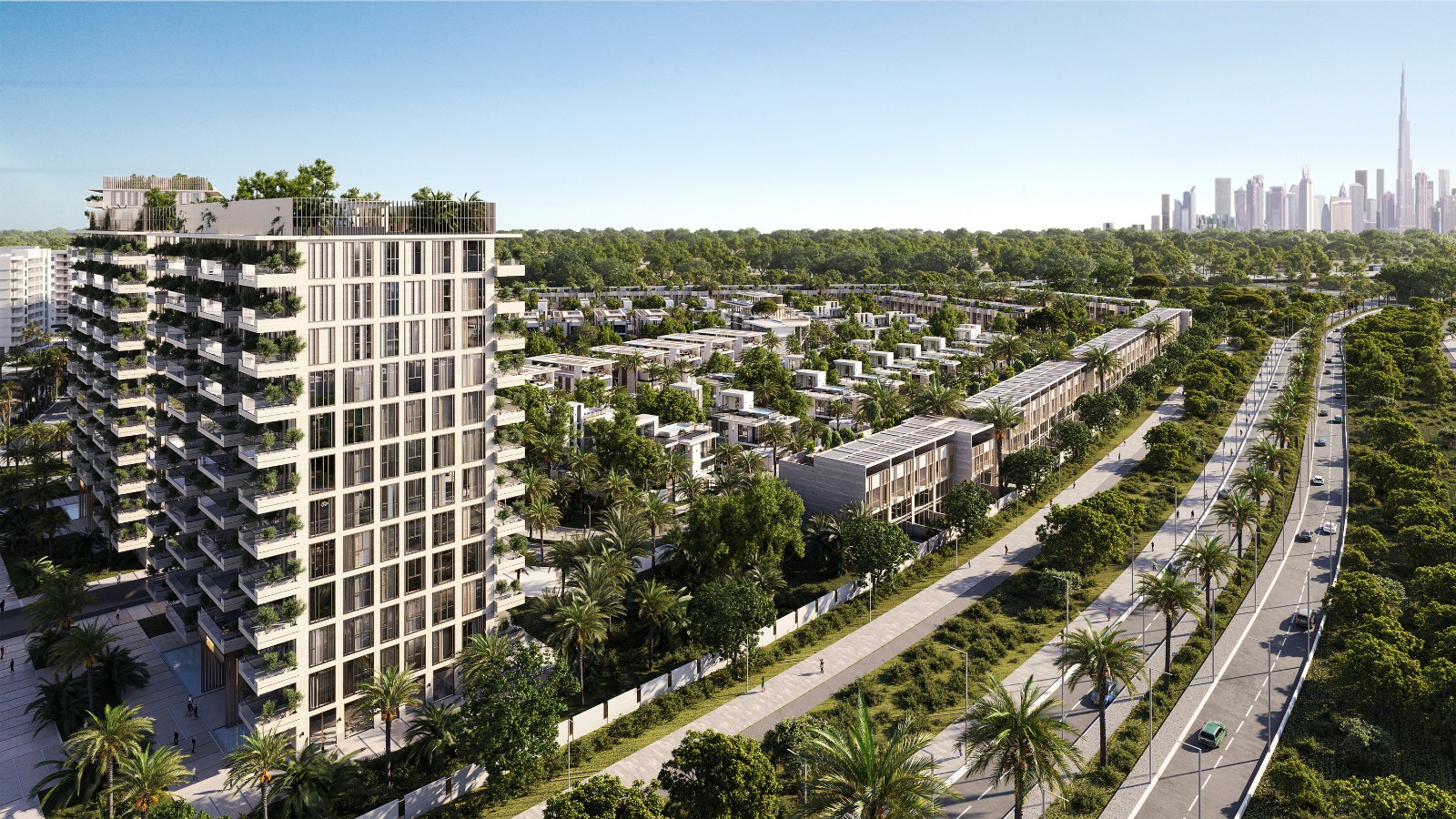
Keturah Reserve goes further. The AED5.7 billion bio-living community in Mohammed Bin Rashid City’s District 7 was planned with air quality monitoring, spatial flow analysis and connection mapping baked into the architecture. It’s an attempt to shape behaviour through environmental design at scale.
Whether other developers will follow remains unclear. The luxury property market in Dubai has historically prioritised spectacle—tallest, largest, most opulent. Civility as a design principle demands different metrics.
The Civility Guidebook itself hasn’t been published yet, and details on enforcement mechanisms remain sparse. What’s known is that the committee intends to establish “standards and systems” for urban experience, language that suggests regulatory teeth rather than voluntary guidance.
For Al Gaddah, the civility push strengthens the link between governance and design. Private developments, he noted, now need to align with Dubai’s long-term direction on safety, quality and liveability—concepts that were once marketing language but are becoming compliance requirements.
The integrated lighting plan alone could force retrofits across existing developments. How light falls in communal areas, the intensity and warmth of street lighting, even the glow from residential windows—all of it influences how people behave in shared spaces after dark. Developers who’ve already secured permits may face pressure to revise plans.
Industry observers note the timing. Dubai has spent two decades building vertically and rapidly. The civility initiative suggests a pivot toward refinement over expansion, toward managing experience rather than just adding inventory.
Whether that philosophy cascades through the broader real estate sector depends on how strictly the guidelines are applied and whether they carry financial consequences. For now, luxury developers like Keturah are positioning themselves as early adopters, aligning current projects with principles that may soon be mandatory.
The question isn’t whether Dubai can design civility into its urban fabric. The question is whether developers can adapt quickly enough to meet standards that are still being written.
