
Sixty-nine percent of procurement professionals now wield more influence inside their organisations than they did two years ago. The timing could hardly be worse.
Just as procurement teams across the Middle East secured a seat at the strategic table, they’re being asked to navigate AI disruption, geopolitical instability and supplier networks that keep fracturing under pressure. Cost management—the function’s traditional bread and butter—has become almost quaint.
The reckoning will play out in Riyadh this October. The CIPS MENA Procurement and Supply Chain Futures Forum will gather regional and global leaders to confront what happens when a profession gains power during a period of relentless uncertainty. Digital procurement, supplier governance, ESG compliance and the limits of automation will dominate three days of discussions.
The numbers tell the story of a function in transition. More than half of procurement teams are actively pursuing automation, according to CIPS-linked industry research. Seventy-eight percent say environmental, social and governance issues have become increasingly important in procurement strategy. Yet the same professionals report that supplier visibility, cybersecurity threats and geopolitical risks now consume as much attention as supplier negotiations once did.
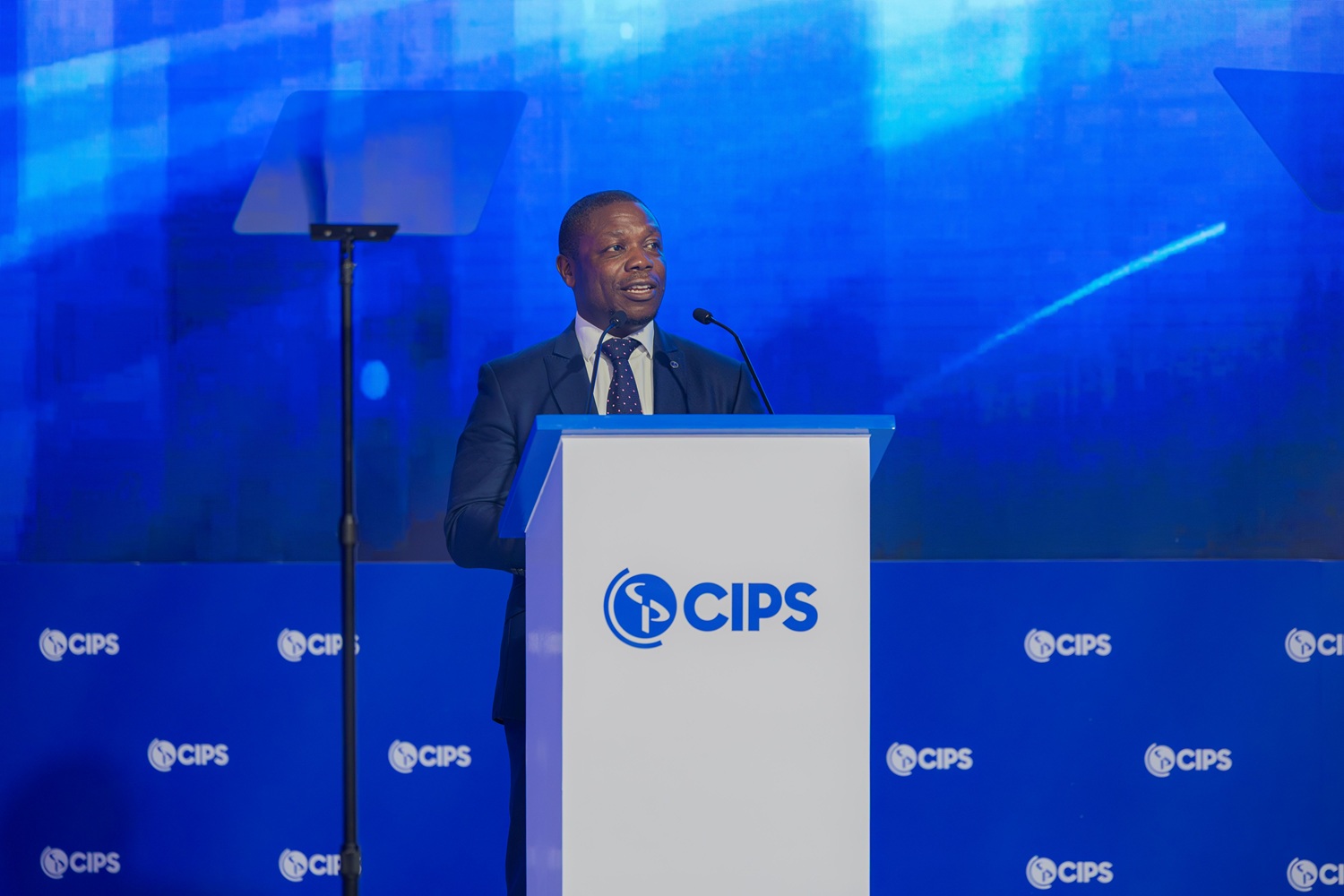
Sam Achampong, Regional Director for Asia, Australasia, Middle East and Africa at CIPS, acknowledged the pressure. “Procurement leaders are currently navigating far more than cost pressures alone. Organisations are increasingly relying on procurement teams to strengthen resilience, manage supplier risk, support sustainability objectives and evaluate how emerging technologies such as AI can deliver long-term value.”
That’s the mandate. The reality is messier.
“Procurement has become a far more strategic function within modern organisations. AI may transform procurement processes but technology on its own will not solve supply chain risk. Organisations also need stronger supplier relationships, better visibility and more resilient procurement strategies,” Achampong added. The comment reflects a growing recognition across the sector: automation promises efficiency, but geopolitical shocks and supplier failures require human judgement.
The forum’s agenda reflects that tension. Sessions will examine AI-driven procurement tools alongside supplier governance frameworks and resilience planning. Strategic sourcing sits next to sustainability strategy. The message is clear—procurement leaders need both technological fluency and old-fashioned risk management skills.
For organisations across the Gulf states and wider Middle East, the stakes extend beyond operational efficiency. Supply chain disruption over the past three years exposed vulnerabilities in networks that seemed robust on paper. Procurement teams found themselves managing crises they hadn’t anticipated: semiconductor shortages, logistics bottlenecks, sanctions that rewrote supplier maps overnight.
The ESG dimension adds another layer. Seventy-eight percent of procurement professionals now see sustainability issues as central to their work, a sharp increase from even five years ago. Regulatory pressure is building across the region as governments commit to net-zero targets and investors demand transparency. Procurement teams are expected to audit supplier ESG performance, track carbon footprints and ensure ethical sourcing—all while maintaining cost discipline.
CIPS, the Chartered Institute of Procurement & Supply, has positioned the October gathering as a response to this complexity. The forum will run alongside the CIPS MENA Awards, which recognise excellence across the procurement and supply profession. Senior leaders from government, enterprise and industry are expected to speak, though the full speaker lineup has yet to be confirmed.
The event arrives at a moment when procurement’s influence within organisations is undeniable but fragile. Increased visibility brings increased accountability. When supply chains falter or ESG targets are missed, procurement teams now shoulder much of the responsibility. The function has moved from tactical execution to strategic planning—and from relative obscurity to executive scrutiny.
Riyadh’s selection as host city is deliberate. Saudi Arabia has invested heavily in economic diversification and supply chain infrastructure as part of Vision 2030. The kingdom’s procurement leaders are navigating the same pressures as their regional counterparts—digitisation, sustainability mandates, geopolitical risk—but with added urgency tied to national transformation goals.
What remains unclear is whether the profession can deliver on its expanded remit. AI tools promise to automate purchase orders, predict demand and optimise supplier selection. Early adopters report efficiency gains. But automation can’t replace the supplier relationships that prove critical when disruption hits. Technology can’t decide whether to stick with a struggling supplier or switch to an untested alternative.
Those judgment calls—shaped by incomplete information and competing pressures—define modern procurement. The Riyadh forum will test whether the profession has developed frameworks to support those decisions or whether procurement leaders are simply expected to figure it out as they go.
Industry research suggests the learning curve is steep. While 69 percent report increased influence, many procurement teams lack the analytical tools, supplier visibility and cross-functional relationships needed to manage systemic risk. The gap between the function’s expanded mandate and its operational capabilities has become a source of friction inside organisations.
For CIPS, the forum represents an opportunity to shape the conversation around procurement’s future. The organisation positions itself as the global standard-bearer for the profession, offering education, training and best practice guidance. Whether that guidance can keep pace with the speed of technological and geopolitical change will be tested in the months ahead.
By October, attendees in Riyadh will have six more months of data on AI adoption rates, supply chain disruptions and ESG regulatory developments. They’ll also have six more months of pressure from executives demanding that procurement deliver strategic value, not just cost savings. Whether the forum provides actionable answers or simply surfaces more questions will depend on how willing participants are to acknowledge the profession’s current limitations alongside its future potential.
