
UAE-Iran diplomatic talks held on the sidelines of the BRICS Summit in New Delhi have created an opening for the two countries to address tensions, Dr Anwar Gargash, Diplomatic Adviser to the UAE President, said at the Arab Media Summit in Dubai.
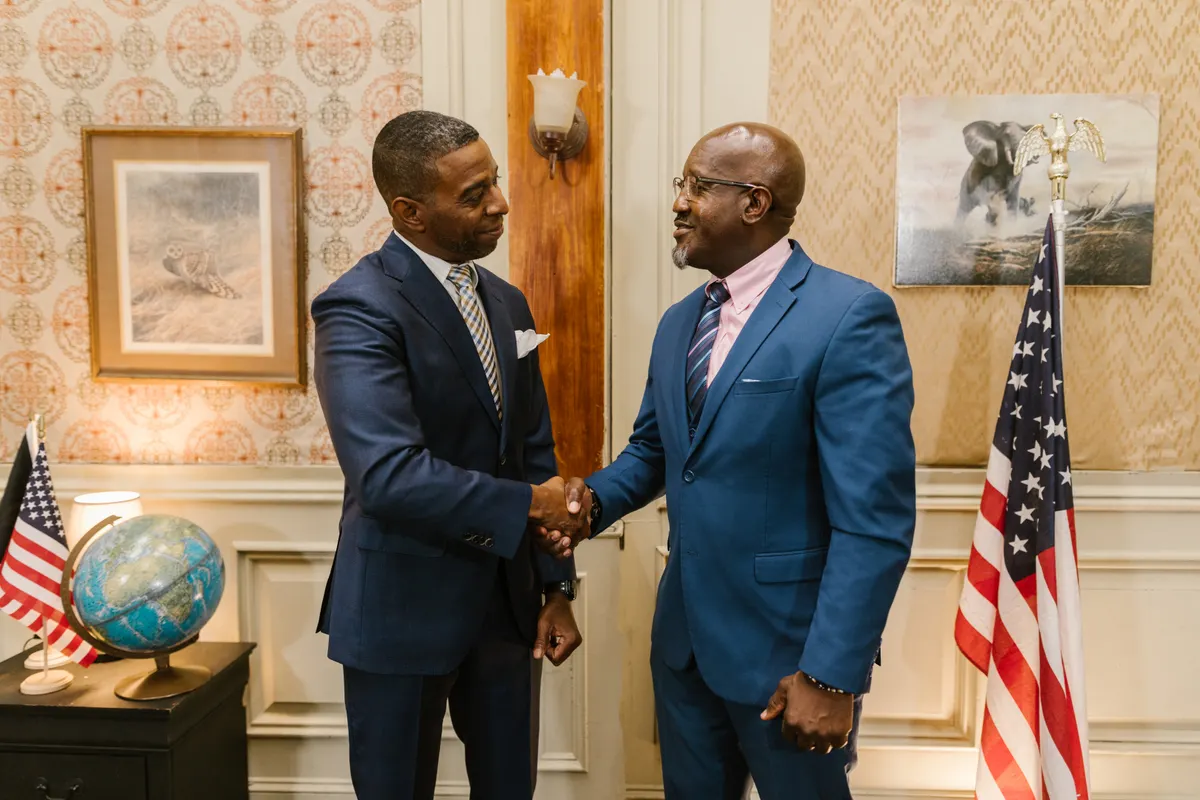
Gargash was referring to the 12 September meeting between Sheikh Khaled bin Mohamed bin Zayed Al Nahyan, Crown Prince of Abu Dhabi, and Iranian President Masoud Pezeshkian in New Delhi, where both leaders were attending the BRICS Summit hosted by India.
The meeting did not signal agreement on all outstanding issues, Gargash said, but it established a channel through which the two sides could engage and consider the future of their relationship.
Trust must be rebuilt through actions, not words
Gargash framed the encounter as consistent with the UAE’s approach of combining deterrence with diplomacy. Geography made engagement with Tehran a practical necessity, he said, but restoring the relationship would require concrete steps rather than statements.
‘The relationship is one thing, and trust is another,’ he said. Trust would have to be rebuilt gradually, he added, given the severe pressure and attacks experienced across the region.
That context carries weight. In March 2026, the UAE President visited individuals injured in recent Iranian attacks who were receiving hospital treatment, an episode that illustrated the human dimension of the strains Gargash was describing.
Reopening channels and rebuilding trust were nonetheless distinct tasks, Gargash stressed. Dialogue was essential to restore normal economic and commercial activity (trade, aviation, access to markets and ports) but the act of talking did not, by itself, amount to reconciliation.
UAE-Iran diplomatic talks and the broader regional picture
Gargash also offered a characterisation of the Iranian president himself, describing Pezeshkian as a voice of reason at a critical moment. The Iranian leader’s positions during the prolonged regional crisis had been ‘balanced and rational’ and should not be overlooked at such a delicate stage, he said.
The wider challenge, Gargash said, was not only managing the current crisis but also establishing a sustainable framework for future relations as the region’s geopolitical landscape shifts. Dialogue and communication, he argued, were preconditions for any return to normal commercial and economic life.
The Arab Media Summit, where Gargash made the remarks, is organised under the patronage of Sheikh Mohammed bin Rashid Al Maktoum, Vice President and Prime Minister of the UAE and Ruler of Dubai, with the event convening ministers, editors-in-chief, media leaders and industry professionals from across the Arab world, according to the Emirates News Agency (WAM).
The New Delhi meeting itself took place on the margins of a BRICS gathering hosted by India, reports from the summit noted, with both sides convening as part of the broader multilateral programme.
Whether the September encounter translates into further formal contacts between Abu Dhabi and Tehran remains an open question, with Gargash’s framing suggesting the two sides are at the start of a gradual process rather than the resolution of one.
