
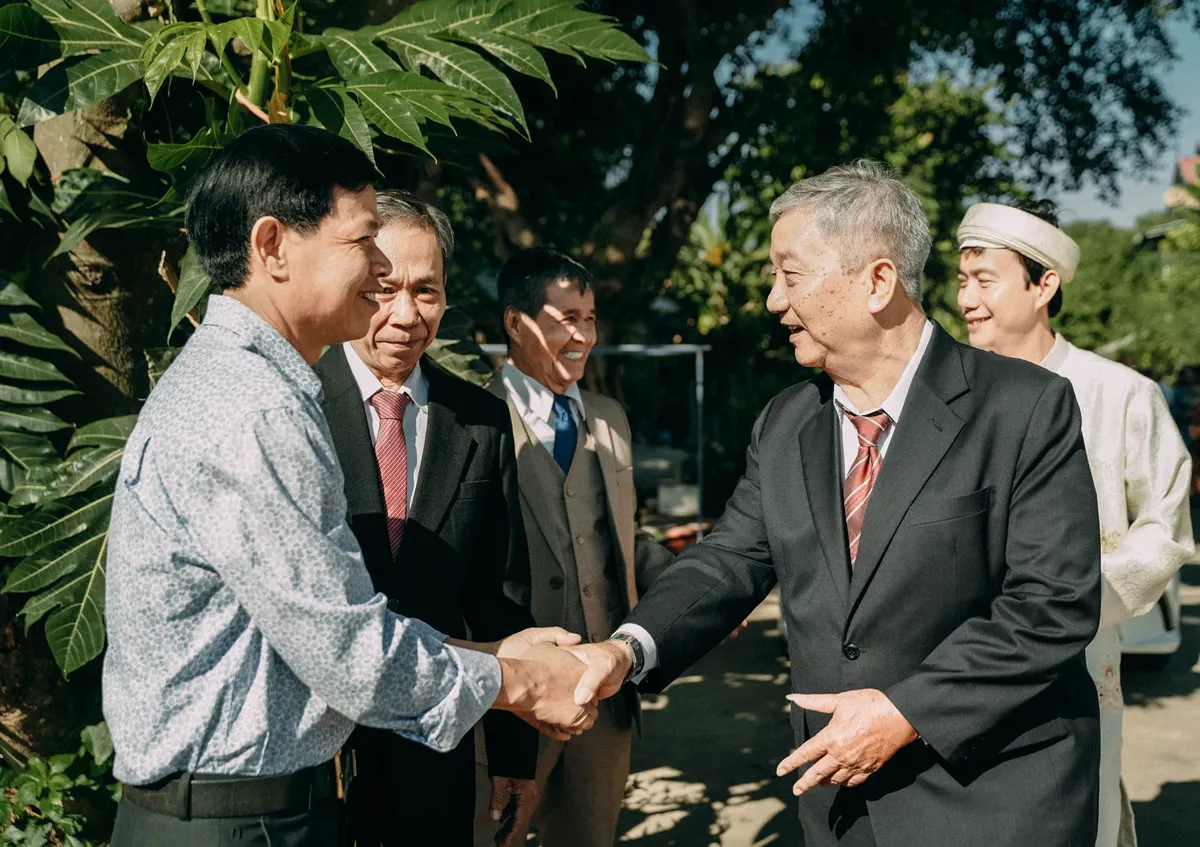
The UAE has joined the Pacific Islands Forum as a Strategic Partner, bringing the total number of partners in the grouping to 13 and opening new avenues for trade, investment, and climate cooperation across the Pacific.
The decision was confirmed at the PIF Leaders’ Retreat during the 55th Pacific Islands Forum Leaders’ Meeting, held in Koror, Palau.
Who attended and what was decided
Noura bint Mohamed Al Kaabi, Minister of State at the UAE Ministry of Foreign Affairs, represented President Sheikh Mohamed bin Zayed Al Nahyan at the meeting. The UAE Ministry of Foreign Affairs confirmed her attendance at the Leaders’ Meeting, which ran from 30 August to 4 September 2026 as part of the broader Leaders’ Meeting programme. The forum itself convened from 31 August to 3 September.
The meeting drew an expected 2,000 delegates from the forum’s 18 member states and partner countries, according to the Parliament of Australia’s research backgrounder on the summit. It was held under the theme ‘B.E.L.A.U, Building Economies: Life. Action. Unity’, and was only the third time Palau has hosted the Leaders’ Meeting.
The UAE joins 12 existing strategic partners: China, the United States, France, Germany, the United Kingdom, Canada, Japan, India, Indonesia, Singapore, South Korea, and the European Union.
UAE Pacific Islands Forum cooperation: the focus areas
Strategic Partner status is designed to provide a platform for closer engagement with PIF member states on trade, investment, energy transition, digital transformation, connectivity, and climate resilience.
Al Kaabi said the accession built on an established relationship. ‘This recognition builds on years of close cooperation with the nations of the Pacific, grounded in mutual respect and a shared commitment to sustainable development. This new chapter in our partnership holds particular significance for the UAE and reflects the strength of the relationships we have developed across the region. We look forward to deepening our partnership with the Pacific Islands Forum and its members in the years ahead, advancing our shared priorities for sustainable development and prosperity across the Pacific.’
Omar Shehadeh, Envoy of the Minister of Foreign Affairs to the Caribbean and Pacific States, added: ‘Our engagement with the Pacific has always been guided by the vision and directives of our wise leadership. Strategic Partner status creates new avenues for collaboration with Pacific nations, strengthening connectivity and working towards our shared goals for a more resilient and prosperous future.’
The UAE’s engagement with Pacific Small Island Developing States predates the formal accession. Earlier in 2026, Al Kaabi addressed the International Renewable Energy Agency SIDS Ministerial Meeting, an engagement the ministry described as reinforcing the UAE’s role as a partner on sustainable development and climate resilience for island nations. Al Kaabi also participated in the CAF International Economic Forum in Panama City in January 2026, with Shehadeh accompanying the delegation, as the ministry reported at the time.
The forum’s long-term policy framework, the 2050 Strategy for the Blue Pacific Continent, was endorsed by PIF leaders in July 2022 and covers seven thematic areas including climate change and disasters, ocean and environment, and technology and connectivity. Its Implementation Plan followed in November 2023. UAE cooperation with PIF member states on renewable energy, climate resilience, education, and sustainable development aligns directly with that framework.
Leaders at the 55th meeting also endorsed a Regional Peace and Security Action Plan covering 2026 to 2030, alongside new humanitarian response coordination guidelines, reflecting the forum’s broader agenda beyond trade and investment.
The UAE Ministry of Foreign Affairs has not announced a timeline for the first formal ministerial engagement under the new Strategic Partner status.
