
Dr Anwar Gargash, Diplomatic Adviser to the UAE President, has warned that the region cannot sustain a state of ‘no war, no peace’ indefinitely, as the Strait of Hormuz crisis continues to escalate and 15 ADNOC vessels have been attacked since the conflict began.
In a statement issued on X, Gargash said the stability and future of the region’s people demand clarity. ‘The region cannot continue in a state of “no war, no peace” endlessly; the stability and future of its people demand clarity in vision and path,’ he said. ‘The coming phase cannot be based on fragile rules or arrangements detached from international law and the foundations of peaceful coexistence and the logic of peace.’
Gargash said the ultimate objective must be a transition toward ‘sustainable stability governed by clear and shared rules.’
ADNOC vessels attacked in the Strait of Hormuz
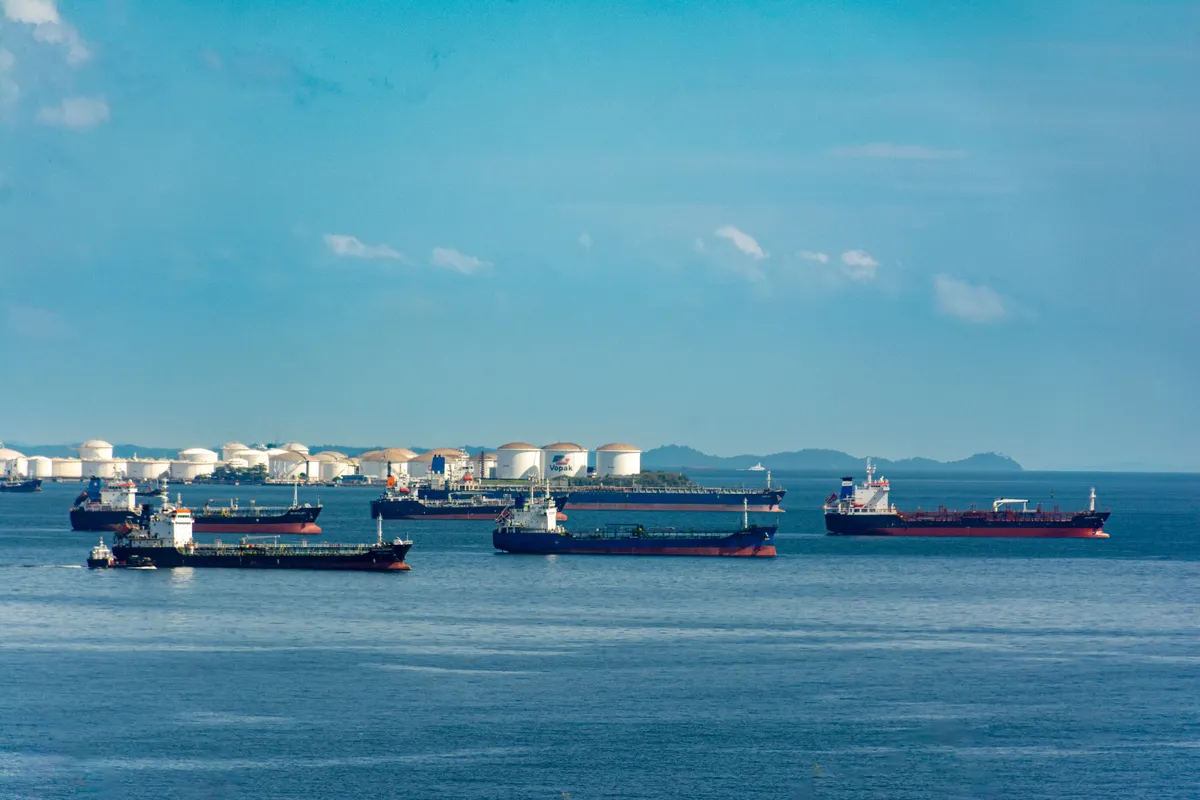
The human cost of the waterway crisis has been mounting. Gulf News reported that the Abu Dhabi National Oil Company (ADNOC) has confirmed 15 of its vessels have been targeted by missiles and drones while transiting the strait since the conflict began in February 2026, resulting in one crew member killed and 20 others injured.
On 14 August 2026, the UAE Ministry of Foreign Affairs condemned an Iranian attack on two ADNOC-affiliated vessels transiting the strait; no injuries were reported from that incident, according to Al Jazeera.
The UAE Ministry of Foreign Affairs has previously warned that the obstruction of navigation has already reduced ship transits through the waterway, posing risks to global energy markets and international supply chains. At an April 2026 virtual foreign ministers meeting, the ministry noted the Gulf supplies approximately 25 per cent of global natural gas production. The ministry reaffirmed support for UN Security Council Resolution 2817, which affirmed freedom of navigation, and welcomed Bahrain’s draft resolution presented to the Security Council aimed at reinforcing maritime security in the strait.
Iran’s Islamic Revolutionary Guard Corps has insisted the strait will remain closed until the United States meets a list of conditions, including an end to the war, the lifting of a counterblockade on Iranian ports, the removal of sanctions, the release of frozen assets, and compensation for wartime damage.
At the BRICS Trade Ministers Meeting in Jaipur, India, Dr Thani bin Ahmed Al Zeyoudi, UAE Minister of Foreign Trade, called for the immediate and unconditional reopening of the strait and the protection of freedom of navigation, according to Gulf News. Al Zeyoudi was accompanied by Abdulla Al Nuaimi, UAE Ambassador to India.
Mecca defence pact reshapes regional security
The widening Strait of Hormuz crisis has accelerated shifts in regional security arrangements. On 7 August 2026, Saudi Crown Prince Mohammed bin Salman, Turkish President Recep Tayyip Erdogan, and Pakistani Prime Minister Shehbaz Sharif signed the Mecca Joint Defence Agreement, according to Al Jazeera.
The pact states it ‘aims to strengthen collective deterrence against any act of aggression, and stipulates that any armed attack against any one of the three States shall be regarded as an attack against them all,’ according to the BBC. The agreement expands a bilateral Strategic Mutual Defence Agreement signed between Pakistan and Saudi Arabia on 17 September 2025, which was itself concluded in the wake of an Israeli attack on Doha on 9 September 2025.
Turkey’s Foreign Minister Hakan Fidan indicated Egypt could join the pact in the future, describing Cairo as a ‘natural partner on all issues.’
The UAE, alongside Qatar, Jordan, Indonesia, Pakistan, Turkey, Saudi Arabia, and Egypt, issued a joint statement condemning ongoing Israeli violations in the Gaza Strip, with the ministers affirming that the continuation of those violations constitutes a breach of Israel’s obligations under international law.
The next concrete test for regional diplomacy comes as the IRGC maintains its Strait of Hormuz closure and the UN Security Council considers Bahrain’s draft resolution on maritime security in the waterway.
