Due diligence gets talked about as a formality — something to tick off before the “real” decision gets made. In Dubai’s market, it’s closer to the opposite: the checks themselves are the decision. Skip them, and you’re not investing with reduced risk; you’re investing on hope that nothing surfaces later. The market rewards buyers who treat verification as the main event, not paperwork standing between them and the property they already want.
Verification comes before enthusiasm, not after
Every serious due diligence process for off-plan property in Dubai starts with the same two documents: the developer’s RERA registration and the project’s escrow account status. Anyone evaluating a listing through a real estate company should expect these checks to happen before a shortlist even gets discussed — not after a unit has already caught someone’s interest, when the temptation is to rationalize past a red flag rather than walk away from it. Buyers who reverse this order tend to find reasons to excuse whatever the paperwork later reveals, simply because they’ve already mentally moved in.
What the Land Department actually confirms
The Dubai Land Department’s Property Status Enquiry can show restrictions, blocks, and separate information on disputes tied to a specific unit. Separately, the DLD’s Service Charge Index shows the approved service charges for a jointly owned property, but it doesn’t confirm whether a specific owner has arrears — outstanding service-charge debt needs to be verified independently. Together, these are public, checkable data points that remove any need to take a seller’s word for it.
Source: Dubai Land Department, Property Status Enquiry and Service Charge Index.
What a developer’s history reveals that marketing won’t
Talking to current owners in a developer’s earlier projects — about actual handover experience, post-completion defects, and how disputes got resolved — tells you more about execution risk than anything in the current sales brochure. A pattern of unresolved complaints across a developer’s previous projects may indicate higher execution risk.

Filtering risk before discussing upside
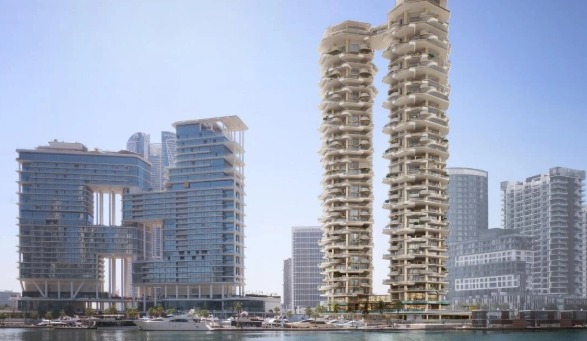
Before recommending any investment, test it against downside scenarios—vacancy, service charge increases, and a slower resale market—before discussing potential returns. This is the same logic Mint applies when a specific unit’s growth story gets checked against its actual numbers: take Dubai Creek Harbour’s Creek Haven apartments, where the district’s momentum alone isn’t treated as reason enough to buy. Instead, each unit’s view, floor, layout efficiency, price per square foot, payment terms, handover timeline, service charges, resale competition, and likely exit buyer get checked individually, because a growth story around a district doesn’t guarantee that a specific unit inside it can justify its price.
A structured way to run this filter on any shortlisted property:
- Ownership and title — confirmed through DLD records, not seller assurances.
- Financial exposure — service charges, sinking fund contributions, and any pending increases.
- Market evidence — comparable resale transactions in the same building, not district-wide averages.
- Exit path — a realistic buyer profile and price range for a sale five years out.
Writing the reasoning down before committing capital
The final step is the one most buyers skip entirely: documenting why a property passed every check, with the actual numbers used. If the reasoning can’t survive being written down and reread a week later, it wasn’t solid enough to act on. This habit alone catches decisions made on excitement rather than evidence, because writing forces specifics that a mental checklist quietly lets slide.
Due diligence in Dubai isn’t about eliminating risk entirely — no amount of checking removes market risk from a real estate purchase. It’s about making sure the risks that remain are ones you identified on purpose, not ones that surprised you a year after closing.
Daniella Selivanova — Asset Manager, Mint Elite Real Estate