Dubai’s climate presents unique challenges for automotive paintwork. Intense sunlight, high temperatures, airborne sand, road dust and frequent car washing all contribute to the gradual deterioration of a vehicle’s exterior. Over time, UV exposure can fade paint, abrasive particles may leave fine scratches, and repeated washing can wear down the clear coat.
In this article, the experts at DEIZ GARAGE explain the most common types of paint damage found on premium vehicles in Dubai, when paint correction may be sufficient, and when professional refinishing becomes the best solution for restoring both appearance and long-term protection.
Common Types of Paint Damage in the UAE
Paint damage develops in different ways depending on driving conditions, maintenance habits and environmental exposure. One of the most common issues in Dubai is paint fading caused by prolonged UV exposure, which gradually reduces colour depth and gloss.
Clear coat deterioration is another frequent problem. As the protective transparent layer becomes worn or oxidised, the paint can lose its shine and become more vulnerable to further damage.
Scratches vary from light surface marks caused by washing or dust particles to deeper scratches that penetrate the clear coat and reach the colour layer. Stone chips are also common, particularly on front bumpers, bonnets and mirrors, where constant exposure to road debris can damage the finish.
In some cases, previous repair work may create additional challenges. Poor-quality repainting can leave visible sanding marks, uneven texture or inaccurate colour matching between adjacent panels, making repairs more noticeable than the original damage itself.
When Polishing or Paint Correction Is Enough
Not every paint defect requires repainting. Many surface imperfections can be corrected through professional polishing or paint correction techniques that restore the appearance of the original finish without removing the factory paint.
Minor swirl marks, light scratches, oxidation, water spots and dullness often affect only the upper portion of the clear coat. Using carefully controlled machine polishing and specialised compounds, technicians can remove or significantly reduce these imperfections while restoring gloss and clarity.
However, paint correction has its limits. If a scratch has penetrated beyond the clear coat into the base colour or primer, polishing alone cannot restore the damaged area. Determining whether correction is sufficient requires careful inspection of the paint thickness and the depth of the defect.
When a Panel Needs to Be Repainted
Repainting becomes necessary when damage extends beyond the clear coat and affects the base colour, primer or exposed metal. Deep scratches, corrosion, extensive stone chips or previous low-quality repairs often require refinishing to restore both appearance and long-term protection.
For owners considering professional car painting services at DEIZ GARAGE, the decision to repaint should always follow a detailed assessment of the affected panel rather than being based solely on its visual appearance. Preserving as much of the original factory finish as possible remains the preferred approach whenever the damage allows.
A professional evaluation helps determine whether localised refinishing, panel repainting or another repair method is the most appropriate solution while avoiding unnecessary work on undamaged sections of the vehicle.
What Determines a Factory-Quality Finish
Achieving a factory-quality result depends on far more than simply applying new paint. The process begins with meticulous surface preparation, including cleaning, repairing imperfections and ensuring the substrate is perfectly smooth before any coating is applied.
Precise colour matching is equally important, especially for metallic, pearl and other multi-layer finishes that can appear different depending on lighting conditions and viewing angles. Even slight variations in colour formulation or application technique may become noticeable after the repair.
Professional refinishing also requires a controlled spray booth environment, where temperature, humidity and airflow are carefully managed to achieve consistent paint application. Proper drying and curing allow each coating layer to reach its intended strength and appearance before final inspection.
A comprehensive quality check under different lighting conditions helps verify colour consistency, gloss level and surface texture, ensuring the repaired panel blends naturally with the surrounding bodywork.
Why Premium Cars Require Extra Attention
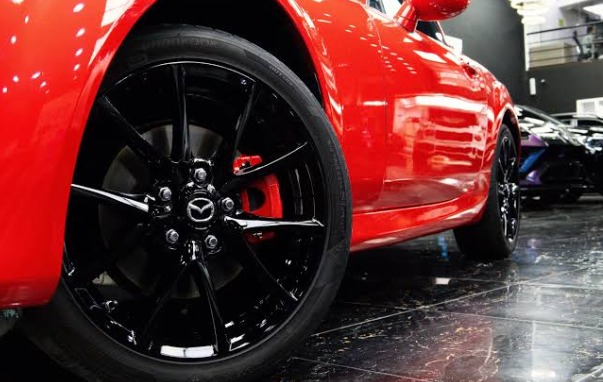
Premium vehicles often feature sophisticated paint systems that are more complex than conventional finishes. Matte coatings, multi-stage metallic colours and special-effect paints require specialised materials and application techniques to reproduce their original appearance.
Modern luxury vehicles may also incorporate decorative trim, carbon fibre components, cameras, parking sensors and driver-assistance systems integrated into bumpers, mirrors and body panels. During refinishing, these components often require careful removal and reinstallation to avoid damage and maintain proper alignment.
For this reason, paint restoration on premium vehicles is not simply about repairing cosmetic defects. It is about preserving the original design, finish and overall factory appearance while maintaining the vehicle’s long-term value.
How to Protect Fresh Paint in Dubai
Proper aftercare plays an important role in maintaining newly restored paintwork. During the initial curing period, gentle washing methods and non-abrasive cleaning products help prevent unnecessary stress on the new finish.
Whenever possible, parking in shaded or covered areas reduces prolonged UV exposure and lowers surface temperatures. Prompt removal of bird droppings, tree sap, insect residue and other contaminants also helps prevent permanent staining or chemical damage.
Using safe washing techniques, clean microfibre towels and regular protective treatments can significantly extend the life of both original and refinished paintwork in Dubai’s demanding environment.
Conclusion
Restoring premium automotive paint requires selecting the right repair method rather than automatically choosing repainting. Some defects can be successfully corrected through polishing, while deeper damage affecting the colour layer or metal may require professional refinishing.
A thorough inspection of the paint condition, damage depth and previous repair history allows specialists to recommend the most appropriate solution while preserving as much of the original factory finish as possible. With the correct repair process and proper ongoing care, premium vehicles can maintain their appearance, protection and long-term value despite the challenging driving conditions of the UAE.