
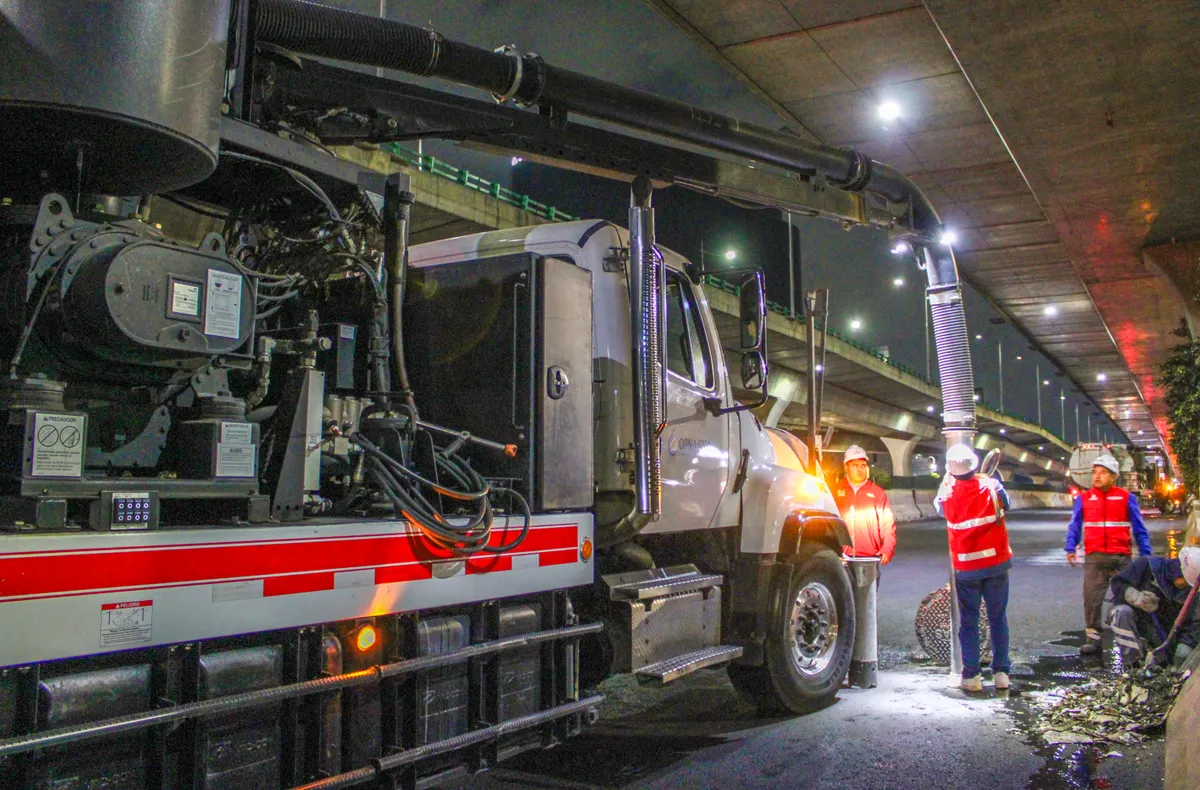
Abu Dhabi road cleaning operations covered 205,972km in the first half of 2026, the Department of Municipalities and Transport (DMT) said, putting the emirate on course to exceed last year’s full total.
The half-year figure represents 75 per cent of the 274,735km cleaned across the whole of 2025. Municipal teams from Abu Dhabi City, Al Ain and Al Dhafra carried out the work across 1,661 priority areas, covering 102 residential neighbourhoods, main road corridors, cycle tracks, bus stops, pedestrian bridges, tunnels and areas around community facilities.
Waste removed and public reports handled
During the six-month period, teams removed 126,740 tonnes of waste and debris and 10,960 tonnes of litter. DMT also logged 874 public reports on road cleanliness and acted on each of them.
Rashed Abdullah Al Kaabi, Acting Executive Director of the Technical Operations Support Sector at DMT, said cleanliness at this scale requires coordination across planning, operations and community reporting. He described road cleaning as part of maintaining accessible public spaces, not a routine task in isolation.
Al Kaabi added that as Abu Dhabi grows, municipal services need to become more targeted and responsive, with data from field operations showing where pressure is building and where resources should be directed.
DMT intensified cleaning in 387 locations during periods of wind, dust and peak summer activity, targeting areas affected by sand accumulation, high footfall and heavier traffic.
Smart fleet driving Abu Dhabi road cleaning scale
Much of the operational capacity behind Abu Dhabi road cleaning at this scale comes from a fleet of more than 500 vehicles equipped with AI systems, IoT tracking and 360-degree cameras. The fleet launch was described as intended to deliver more efficient and environmentally conscious cleanliness across the emirate.
The fleet covers an operational area of over 36,000 square kilometres and carries out around 50,000 tasks daily. DMT says it has helped reduce fuel consumption and speed up field response times across the emirate’s three municipal areas.
The department has been expanding its operational capabilities in parallel with a broader structural overhaul. DMT completed a two-year transformation programme aimed at improving efficiency, accessibility and innovation across its municipal and transport functions.
Growth in the emirate is also generating pressure on municipal infrastructure. DMT approved 20.8 million square metres of gross floor area in Q1 2026, a 17.3 per cent increase on the same period in 2025, meaning more roads, pathways and shared spaces will require regular maintenance as new developments come into use.
DMT also works with the Environment Agency Abu Dhabi on coordinated waste management across the emirate.
The Abu Dhabi City Municipality, one of the three bodies contributing to the H1 figures, traces its history to 1962. The H1 results will guide resource allocation for the second half of 2026, with teams continuing to focus on high-use roads, residential areas and locations with recurring reports.
