
The Dubai Multi Commodities Centre (DMCC) is launching JLT Link, an electric bus service connecting clusters across Jumeirah Lakes Towers and Uptown Dubai, on 1 August 2026. The fare is Dh3 per ride, with no advance booking required.
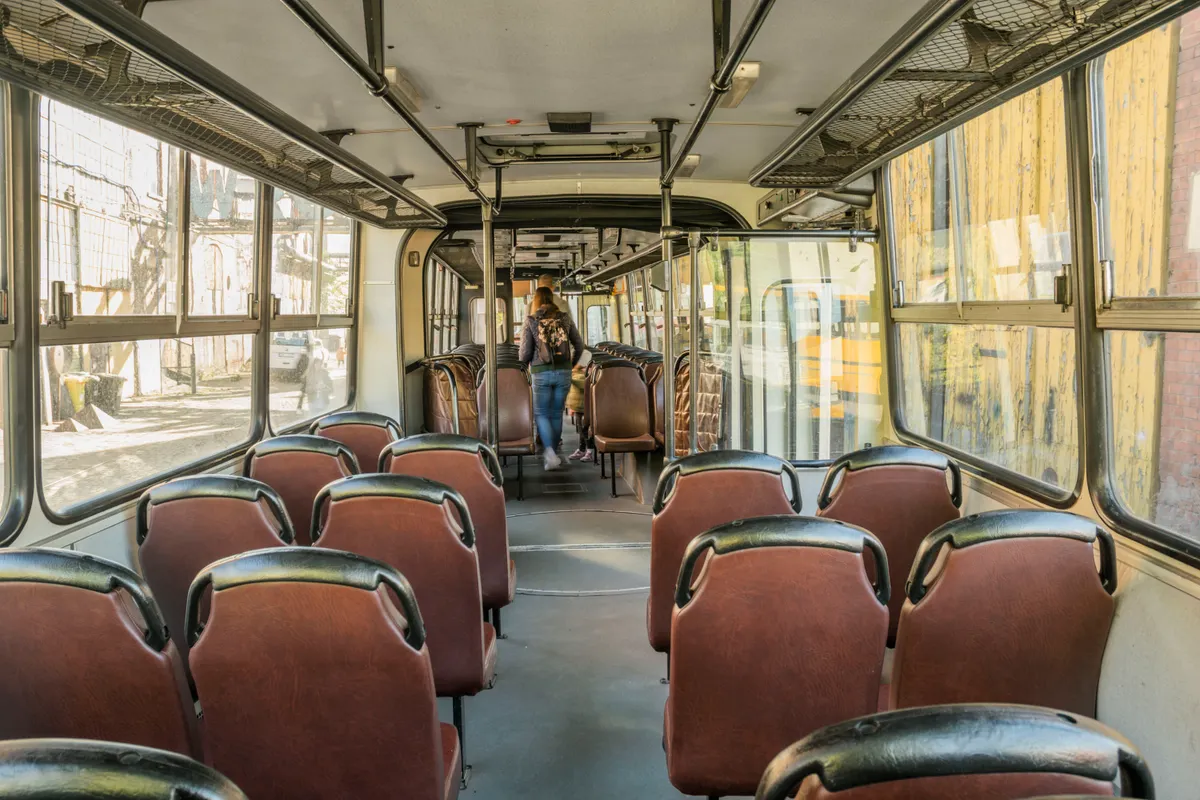
DMCC describes JLT Link as Dubai’s first fully electric community bus service. The fleet comprises a mix of 16- and 23-seat electric buses finished in turquoise livery, replacing the existing internal bus service that ran across the district.
Two routes, 18 stops across JLT and Uptown Dubai
The JLT Link electric bus network operates across two circular routes. Route 1 covers clusters A to N; Route 2 covers clusters O to Z. Together, the routes serve 18 stops across JLT and Uptown Dubai.
Both DMCC Metro Station and Sobha Realty Metro Station are on the network, allowing passengers to transfer to the Red Line without a taxi or a walk in the heat.
Boarding is cashless. Passengers scan a QR code at the stop to pay the Dh3 fare. No app or pre-registration is needed.
Buses run every 20 minutes on both circular routes. On weekdays and Saturdays, services run from 6:30am to midnight. On Sundays, services start at 9:30am; a closing time was not specified in available information ahead of launch.
Accessibility and DMCC’s sustainability programme
The buses feature low-floor access, wheelchair accessibility and space for standing passengers. DMCC says the JLT Link electric bus service supports Dubai’s Net Zero 2050 goals alongside the district’s own sustainability programme, which already includes solar-powered infrastructure, Dubai Can drinking water stations and community recycling facilities.
The electric fleet sits alongside those existing initiatives as part of DMCC’s effort to reduce car dependency within the district, according to the DMCC launch announcement.
JLT is a mixed-use district built around a series of lakes, with residential towers, offices, independent restaurants, cafés, fitness studios and salons spread across more than 60 clusters. Short journeys between clusters have typically meant driving, taking a taxi, or walking in temperatures that regularly exceed 40°C in summer. The new service is intended to replace those short-hop car trips.
The launch was also carried by Zawya as a companies-news item, with DMCC’s own newsroom as the primary source. Coverage from Utilities Middle East confirmed the weekday and Saturday operating hours.
DMCC has not published a timetable for additional routes or an expansion of the fleet beyond the two-route network confirmed for the 1 August start.
