
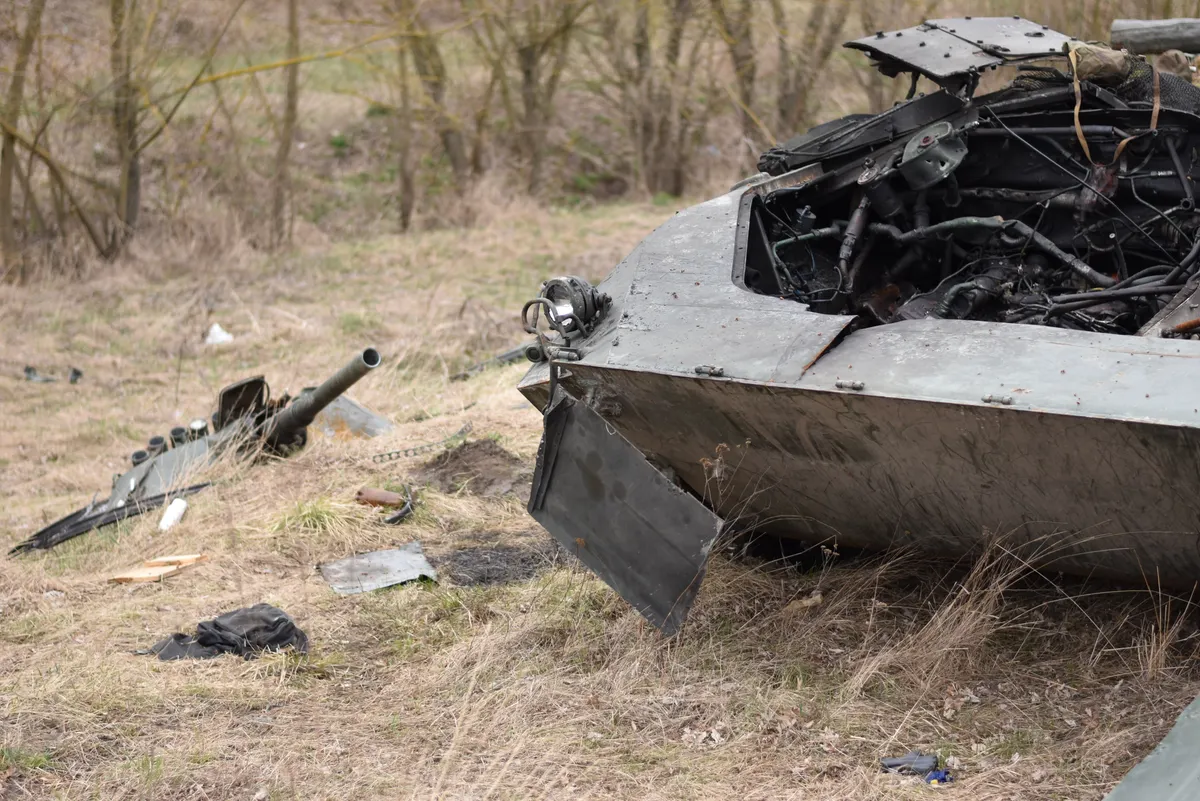
The UAE has condemned Iran’s drone attack on the Kurdistan Region of Iraq, describing it as a flagrant violation of Iraqi sovereignty after two drones targeted the office of Prime Minister Masrour Barzani and the residence of the regional intelligence chief in Erbil on 17 August 2026.
The UAE’s Ministry of Foreign Affairs (MoFA) said the attack constitutes a threat to the security and stability of Iraq and the Kurdistan Region, and reaffirmed the UAE’s full solidarity with both Baghdad and the Kurdistan Regional Government (KRG).
What the UAE MoFA said about the Iran drone attack on Kurdistan
The UAE Ministry of Foreign Affairs said it supports all measures aimed at safeguarding security and stability in the region. The statement did not specify what steps the UAE would take in response.
The Kurdistan Counter-Terrorism Unit said the drones were launched from Iranian territory at 00:28 on 17 August 2026, striking the prime minister’s private office at KRG headquarters and the home of the head of the KRG Security and Intelligence Agency in the Pirmam District of Erbil Governorate. The KRG security agency reported no casualties.
Iranian Foreign Minister Abbas Araqchi told his Iraqi counterpart, Fuad Hussein, in a phone call that Iran had no information indicating the attack originated from within Iranian territory, according to Iran’s semi-official Tasnim news agency. Araqchi also posted on X: ‘Kurdish friends should be vigilant against false-flag ploys to sow discord between neighbors. We protected our Kurdish friends against Saddam and DAESH, and we’re thankful for security they’ve provided on our border.’
Iraqi Prime Minister Ali al-Zaidi ordered an investigative committee to identify the source of the attack, Iraq’s state news agency reported.
Barzani condemned the strikes on X: ‘I condemn these reckless and unacceptable attacks in the strongest terms,’ describing them as a dangerous escalation and a direct threat to the region’s security and stability. He cited the Kurdistan Counter-Terrorism Unit’s investigation and said the attack would not deter him from continuing his duties.
A pattern of strikes on the Kurdistan region
The 17 August attack is the latest in a series of incidents that have drawn UAE condemnation this year. On 25 March 2026, the MoFA condemned Iranian missile strikes on two military sites in the Kurdistan Region that resulted in the deaths and injury of dozens of Peshmerga forces, describing those attacks as a dangerous escalation and a violation of international law.
On 10 March 2026, the MoFA condemned a drone attack on the UAE Consulate General in the Kurdistan Region, which caused material damage but no injuries. The ministry said targeting diplomatic missions constitutes a flagrant violation of the Vienna Convention on Diplomatic Relations.
On 2 March 2026, the UAE joined the United States, Saudi Arabia, Qatar, Bahrain, Jordan, and Kuwait in a joint statement condemning Iran’s missile and drone attacks against sovereign territories across the region, including strikes on the UAE, Bahrain, Jordan, Kuwait, Oman, Qatar, Saudi Arabia, and Iraq.
On 14 August 2026, three days before the strike on Barzani’s office, drones targeted US troop positions near Erbil International Airport. The Kurdistan Region’s Counter-Terrorism Directorate said it intercepted and destroyed at least three incoming drones; flight operations at the airport were temporarily suspended, according to IranWire, with no casualties or physical damage reported.
Iran and Iran-backed armed groups have repeatedly accused the Kurdistan region of harbouring Iranian Kurdish opposition groups that Tehran regards as a security threat. Kurdish authorities deny allowing their territory to be used to threaten neighbouring countries.
The region has sustained significant strikes in recent years. In April 2024, an attack on the Khor Mor gas field killed four Yemeni workers and injured two others, forcing the suspension of gas supplies to regional power plants. Following those strikes, Barzani described attacks on energy infrastructure powering millions of homes as amounting to war crimes, according to a statement carried by Asharq Al-Awsat.
Iraqi Prime Minister al-Zaidi’s investigative committee has not yet reported its findings on the 17 August attack.
