
The UAE Ministry of Foreign Affairs offered its condolences to Japan on 29 July 2026 following a 7.1-magnitude earthquake that struck Kyushu Island on 28 July, killing at least 13 people and injuring others.
In a statement, the ministry expressed sympathy to the families of victims and to the Japanese government and people, and wished a speedy recovery for the injured.
Death toll and damage across Kumamoto
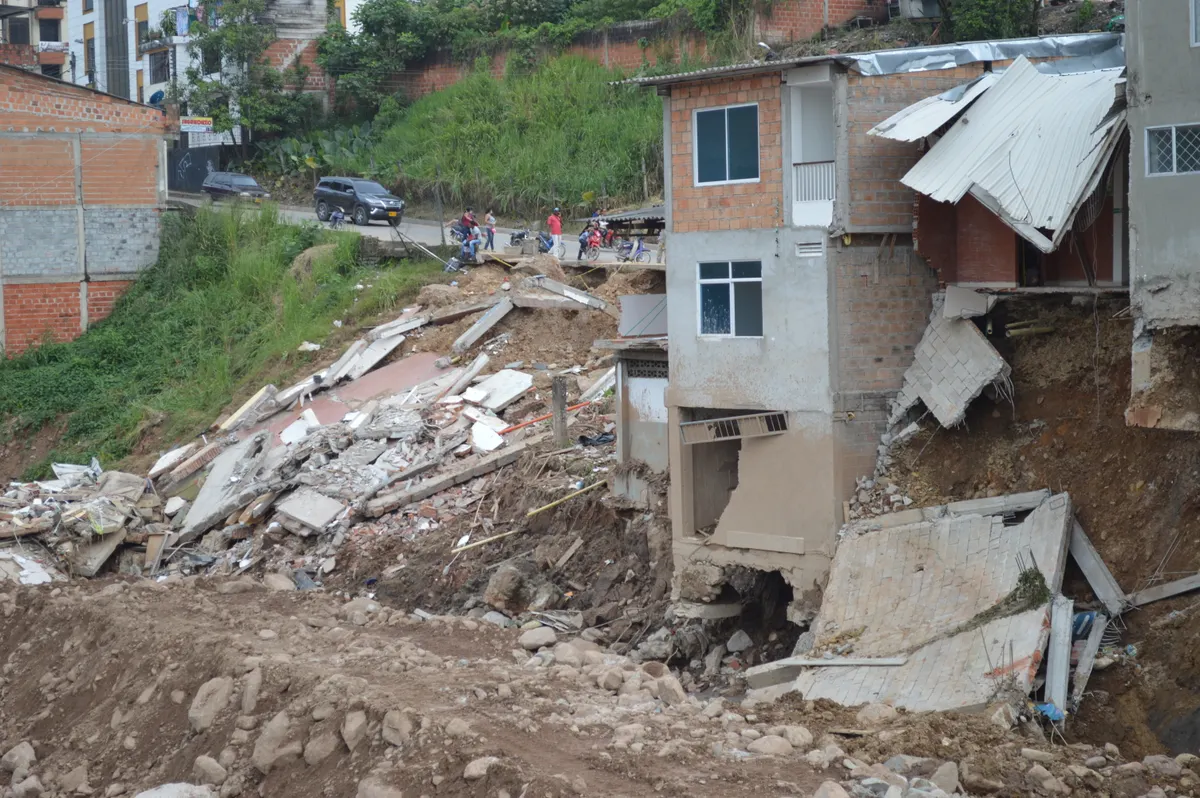
The quake, measured at magnitude 7.1 by Japan’s Meteorological Agency (JMA), caused widespread destruction across the southwestern region of Kumamoto. Homes were flattened, fires broke out, and tens of thousands of residents were left without power or water.
A tsunami alert was issued after the tremor, with Reuters reporting warnings of a wave of up to one metre. JMA officials also advised residents in the worst-affected areas to remain alert for further strong quakes for about a week and to watch for landslide risk.
Around 50 minutes after the quake, an explosion ripped through the Aeon Mall in Kashima Town, in the Kumamoto region, and the building’s second floor collapsed. Akio Yoshida, president of mall operator Aeon, said three people died at the facility, with one more fatality feared and three others missing.
At the Nippon Paper Industries factory in Yatsushiro City, a government official told AFP that five people were confirmed dead and four others were unaccounted for. Part of a red-and-white smokestack collapsed at the site.
By early Wednesday, government spokesman Minoru Kihara confirmed more than 9,000 people had sought refuge in 506 shelters across three regions of Kyushu Island.
UAE condolences for Japan amid seismic threat
Rescuers on Wednesday continued to search through the wreckage of the Aeon Mall for any trapped survivors, with operations ongoing across multiple sites in the region.
The Kumamoto area has a history of major seismic events. In 2016, twin quakes killed nearly 300 people in the same region.
Japan sits on the Ring of Fire, a belt of volcanoes and oceanic trenches that partly encircles the Pacific Basin. The country accounts for about 20% of the world’s earthquakes of magnitude 6.0 or greater, according to Reuters, and typically records hundreds of tremors each year across its archipelago of around 125 million people.
JMA’s warning that strong aftershocks remained possible for approximately a week after the 28 July quake means the alert period extends through to around 4 August 2026.
