
XO recorded 145% more digital enquiries for multi-city North American itineraries in mid-June compared with the same period last year. The reason? Wealthy Gulf travellers are turning this summer’s football tournament into month-long odysseys spanning the United States, Canada and Mexico.
Trips are getting longer too. The Dubai-based private aviation marketplace tracked a 13% jump in average planned trip durations, with many travellers extending their stays across the seven-week tournament period. One match won’t cut it anymore.
Youssef Mouallem watched the pattern emerge from Vista’s operations centre. As Chief Business Officer for the UAE-based aviation group that owns XO, he saw something shift in booking behaviour—not just where people wanted to go, but how long they planned to stay.
“The most striking trend we’re seeing isn’t simply higher demand for North America – it’s that travellers are staying longer and building more ambitious itineraries around the tournament,” Mouallem said.
Saudi Arabia, the UAE and Qatar are driving the surge. Enquiries from these three markets dominate XO’s North American bookings, with particular spikes around Saudi Arabia’s opening match in Miami and Qatar’s first fixture in Toronto. Yet few travellers are booking for a single game.
Instead, they’re treating the tournament as an anchor for sprawling itineraries that weave together football, business meetings, family holidays and leisure across multiple countries. The tournament’s three-nation format—with matches scattered across the US, Canada and Mexico—has accelerated demand for complex, multi-destination journeys that would have seemed excessive a decade ago.
Overall, XO logged a 5% year-on-year increase in GCC enquiries for North American travel during the tournament window. Modest on its own, perhaps. Combined with the 145% spike in multi-city bookings and the 13% extension in trip length, the data reveals something more interesting: affluent Gulf travellers are fundamentally rethinking how they approach major sporting events.
“For travellers from Saudi Arabia, the UAE and Qatar in particular, the tournament is becoming the centrepiece of a much larger North American itinerary,” Mouallem explained.
The numbers echo patterns from four years earlier. During the 2022 tournament in Qatar, XO recorded a 146% increase in flights into the country as the competition intensified. That surge came from international visitors. This time, the traffic flows in reverse—Gulf-based travellers venturing outward for extended periods.
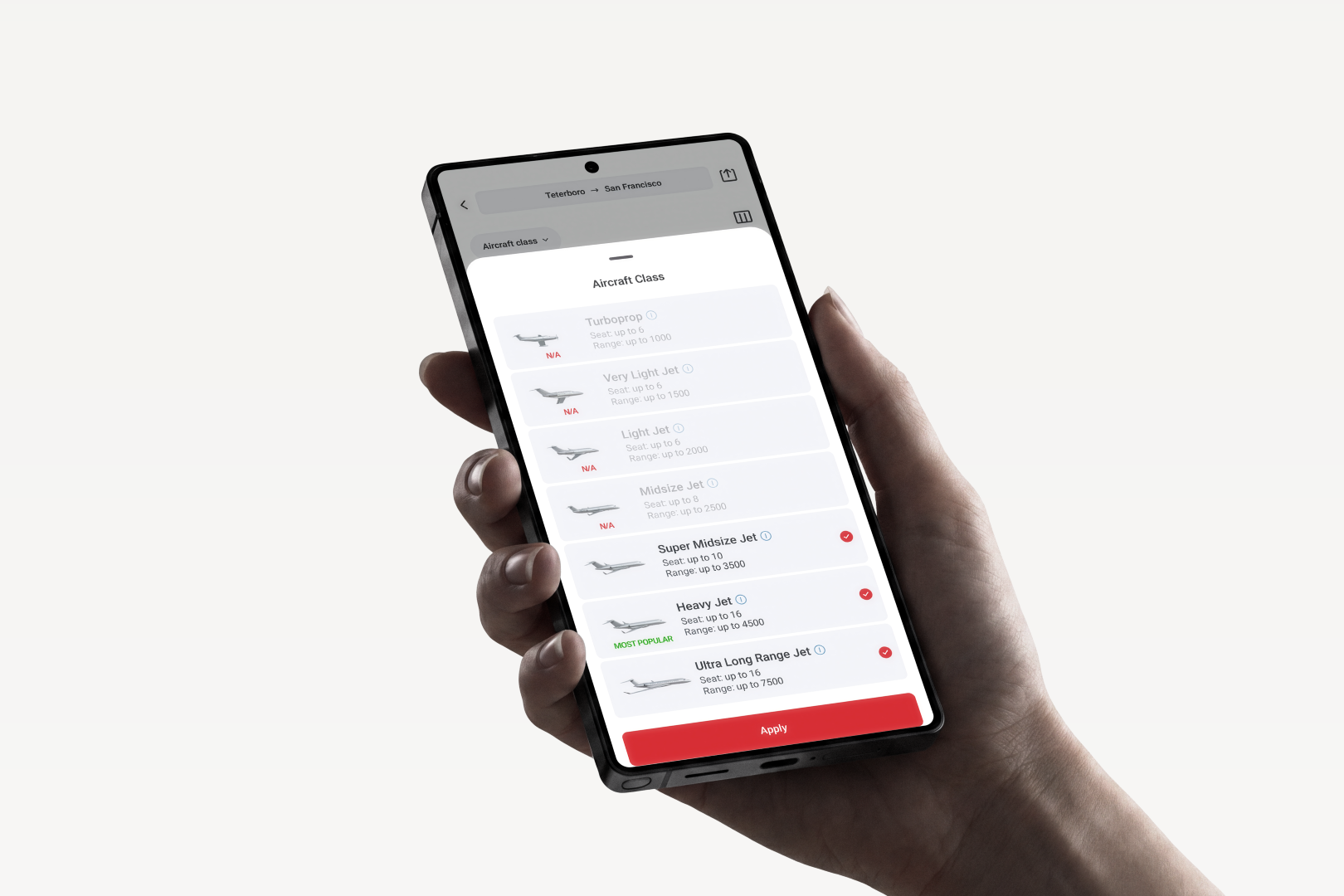
What’s changed is the flexibility baked into these journeys. Rather than locking in fixed routes weeks in advance, travellers are increasingly building itineraries that can shift as match schedules evolve, business opportunities emerge or family plans change. XO’s technology platform—which aggregates real-time availability from over 2,100 aircraft across its alliance fleet and Vista’s 360-plus member aircraft—allows clients to adjust complex, multi-leg trips without the friction that traditionally came with private aviation booking.
That adaptability matters when you’re juggling a football match in Toronto on Tuesday, a board meeting in New York on Thursday, and a family weekend in Los Angeles before circling back to catch another game in Mexico City the following week.
“The 145% increase in multi-city itinerary enquiries reflects a growing preference for flexibility, with travellers combining football, business and leisure across multiple destinations,” Mouallem noted. “Increasingly, technology-enabled booking platforms are giving clients the ability to adapt those plans as schedules evolve, making flexible private travel more accessible than ever.”
Accessible, of course, remains a relative term. XO operates in the private aviation marketplace, serving members and clients who can afford to book entire aircraft or purchase individual seats through the company’s mobile app. Still, the shift from rigid, pre-planned routes to fluid, multi-city itineraries represents a genuine change in how globally mobile individuals organize international travel.
The broader luxury travel sector has watched this evolution unfold over the past five years. Major sporting events—once treated as standalone trips—now serve as tentpoles around which affluent travellers construct elaborate international journeys. The tournament accelerates the trend by spreading matches across three countries and seven weeks, effectively inviting travellers to extend their stays.
For some Gulf-based travellers, the football provides convenient cover for business travel that might have happened anyway. For others, the tournament offers a reason to bring family along for an extended North American summer holiday, with a few matches woven into the itinerary. Either way, the old model—fly in for the game, fly home the next day—looks increasingly outdated.
By mid-June, XO’s booking data suggested the trend would continue throughout the tournament. As matches progress and teams advance through knockout rounds, the company expects further shifts in travel patterns, particularly among travellers from the three Gulf nations whose teams remain in competition.
The data offers early visibility into how major global events are reshaping international mobility among affluent travellers. Whether this represents a permanent shift or a tournament-specific spike won’t become clear until the final whistle blows in late July. What’s already evident is that for wealthy Gulf travellers this summer, football has become the excuse, not the destination.
