
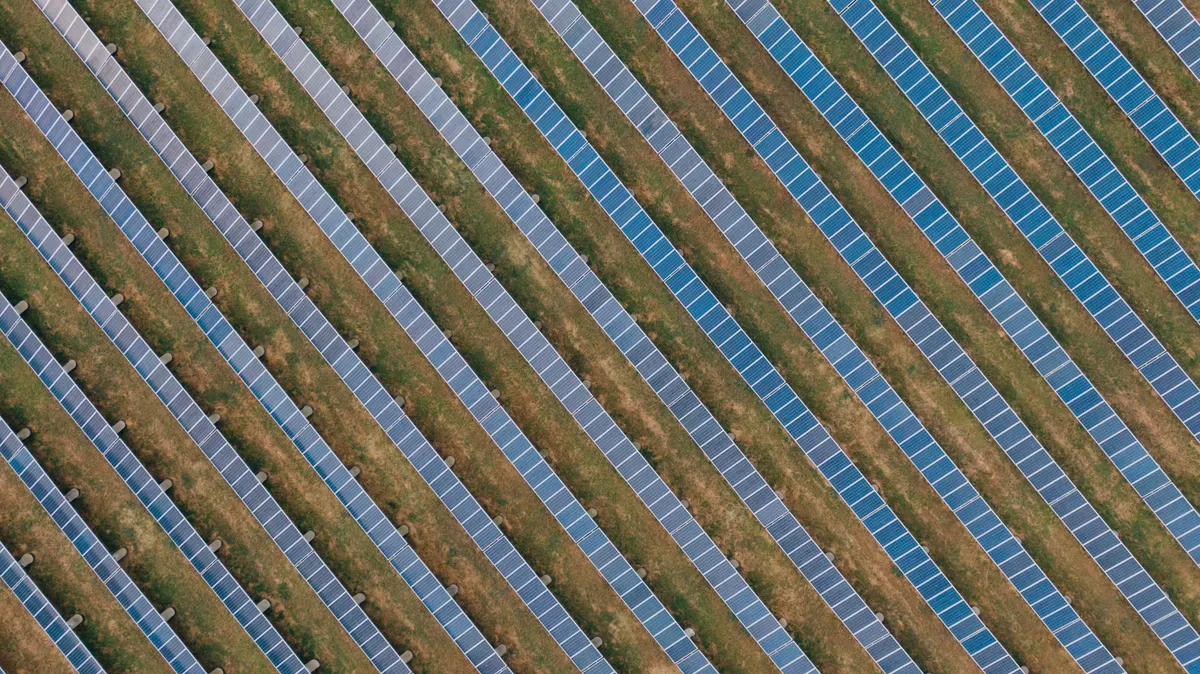
The Sakaï solar plant in the Central African Republic, built by Abu Dhabi-based Global South Utilities (GSU), has been inaugurated near Bangui, adding 50 megawatts of generation capacity to a national grid that previously had little to spare.
GSU says the facility raises the country’s total electricity generation capacity by more than 60 per cent. The plant sits roughly 10 kilometres southwest of Bangui and pairs more than 80,000 solar panels with a 15 MWh battery energy storage system.
What the Sakaï solar plant adds to a stretched grid
Only 18.2 per cent of the Central African Republic’s population had access to electricity in 2024, according to the World Bank. In rural areas, the rate was approximately 2 per cent. The country’s generation system has long been constrained by limited capacity, weak transmission infrastructure, and a national utility that has struggled to recover enough revenue to maintain services.
The 60 per cent capacity figure describes what the system is capable of generating, not an immediate 60 per cent increase in connected households. Transmission lines, substations, and distribution networks must carry the power from the plant before it reaches homes, hospitals, or businesses.
In the first stage, 15 MW of output will serve the third and ninth districts of Bangui, with coverage extending to other districts later. The plant is described by GSU as the largest infrastructure development in the country’s history.
For context, the nearest comparable project is the World Bank-backed Danzi solar plant, commissioned in late 2023, which added 25 MW of solar generation. Sakaï has twice that solar capacity. Separate works under the World Bank’s Electricity Sector Strengthening and Access Project, approved in June 2022 with $113 million in financing, include new 110kV transmission lines linking the Danzi and Sakaï substations and upgrades intended to broaden household connections. The World Bank’s broader programme targets more than one million people with new electricity services in the country by end of 2027.
The plant was built in 10 months. GSU says it expects the facility to supply clean electricity to more than 300,000 households and cut more than 50,000 tonnes of carbon dioxide emissions each year.
Abu Dhabi financing and GSU’s wider Africa push
GSU Managing Director and CEO Ali Alshimmari said concessional financing from the Abu Dhabi Fund for Development was instrumental in delivering the project on schedule.
‘It is a project of historic national importance that will help shape the future of the Central African Republic,’ Alshimmari said. ‘It reflects the power of partnership, the importance of keeping commitments and a shared belief in a better future for the Central African Republic. We delivered it in 10 months.’
The Abu Dhabi-based developer states it has more than 500 MW of renewable energy in operations and delivery across three continents. Sakaï follows an earlier GSU solar project in Chad as the company expands across Africa and other emerging markets.
In November 2025, Reuters reported that GSU announced plans to launch energy projects worth $1 billion in Yemen, covering solar, wind, and distribution network development.
How much of Sakaï’s additional generation translates into reliable household supply will depend on the pace of the parallel transmission and distribution upgrades. The extension of the plant’s coverage beyond Bangui’s initial districts is the next milestone to watch, with broader rollout targeted for later in 2027, in line with the World Bank’s country electrification goals.
PV Magazine and CNBC Africa both reported on the inauguration. Additional detail on the Danzi plant appears in the REN21 Central African Republic snapshot.
