
Seven tenants signed rental agreements exceeding AED10 million annually between January and May 2026. Another nine contracts landed in the AED5-10 million bracket. The figures, released Sunday by fäm Properties, reveal a rental market where the ultra-wealthy aren’t just choosing Dubai—they’re paying double-digit millions for the privilege.
The shift goes beyond eye-watering individual deals. New tenancy contracts above AED1 million jumped 27% in value to AED509 million across the first five months of the year, up from AED400 million in the same period of 2025. Renewed contracts climbed 28% to AED114 million from AED89 million.
Transaction volumes held steady. What changed was where the money concentrated.
Data from DXBinteract shows the surge came from higher price brackets, particularly the AED2-3 million range where new contracts rose 21% and renewals climbed 17%. The pattern suggests tenants willing to spend AED1 million annually are now routinely pushing into the AED2-3 million tier—and beyond.
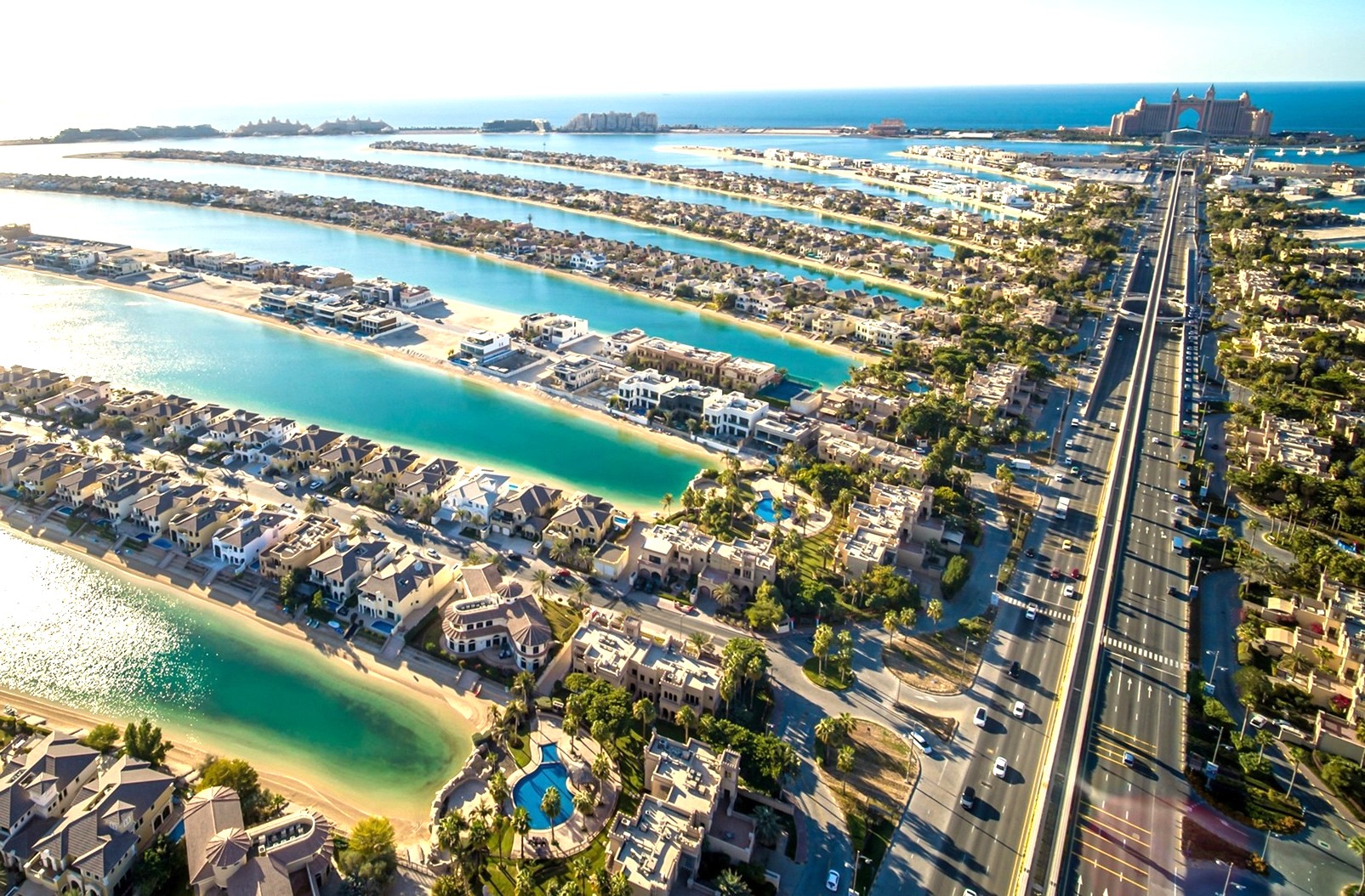
Palm Jumeirah dominated. The man-made archipelago recorded the highest number of new and renewed contracts above AED1 million, with annualised rental value on new agreements reaching AED113 million between January and May. That’s a 14% increase from AED99 million in 2025. Renewed contracts on the Palm rose 15% to AED37 million from AED32 million.
Thirty-six new rental contracts above AED1 million were signed on Palm Jumeirah during the period. Dubai Hills Estate followed with 35, while District One Mohammed Bin Rashid City recorded 22. For renewals, Palm Jumeirah led again with 16 contracts.
Yet the strongest growth emerged elsewhere. Dubai Hills Estate saw annualised rental value on new contracts above AED1 million surge 37% to AED87 million from AED63 million. The community, which blends contemporary villas with golf course views, is pulling tenants willing to pay seven-figure annual rents despite lacking beachfront access.
Firas Al Msaddi, CEO of fäm Properties, acknowledged the momentum. “Demand at the luxury and ultra-luxury end of the rental market has remained resilient over the last few months,” he said. “Tenants at this level are not only choosing Dubai, they are prepared to pay significantly more to live here, and that sends a clear signal about the sustained confidence in this market.”
The data reveals another pattern: most contracts were new agreements rather than renewals. At Dubai Hills Estate, 85% of deals above AED1 million were fresh tenancies. Palm Jumeirah recorded 69% new agreements, while District One MBR City saw 63%. The figures suggest an influx of new tenants rather than existing residents simply renewing at higher rates.
Across all villa communities, 67.3% of contracts signed between January and May ran for 12 months. The standard annual lease remains the norm, even at price points where monthly rent exceeds what many Dubai residents earn annually.
The market’s trajectory raises questions about ceiling and sustainability. When seven properties command over AED10 million in annual rent—AED833,000 monthly before maintenance, utilities, or staff—the pool of potential tenants narrows dramatically. Yet the data shows no slowdown through May.
For context, AED10 million annually translates to roughly £2.1 million or $2.7 million. In London’s prime central market, comparable annual rents typically sit between £1-2 million for top-tier properties. Dubai’s figures suggest the emirate is now competing directly with—and in some cases exceeding—established global luxury markets.
What’s driving the surge? The report doesn’t speculate, but the timing aligns with continued wealth migration to the UAE, favorable tax structures for high-net-worth individuals, and Dubai’s position as a hub for international business. The city has also attracted relocating executives, entrepreneurs, and families seeking year-round sun alongside political stability.
Palm Jumeirah’s appeal remains straightforward: beachfront living, brand-name developments, and proximity to luxury hotels and dining. The frond and crescent communities offer privacy while maintaining access to Dubai’s commercial centers. For tenants operating on eight-figure budgets, the premium appears justified.
Dubai Hills Estate’s 37% growth is harder to explain through location alone. The community sits inland, trading sea views for manicured fairways and family-oriented amenities. The surge suggests tenant priorities may be diversifying beyond traditional beachfront prestige.
The concentration of new contracts over renewals—particularly the 85% figure at Dubai Hills Estate—hints at market expansion rather than simple price inflation. These aren’t exclusively existing tenants absorbing higher costs. Fresh demand is entering the market, willing to commit to seven-figure annual rents from the outset.
Whether this trajectory continues through the second half of 2026 remains uncertain. The first five months captured a market in aggressive upward motion, but seasonal patterns, economic shifts, or supply increases could alter dynamics. What’s clear from the data released Sunday is that through May, Dubai’s luxury villa rental market showed no signs of hesitation.
For now, the numbers speak: AED509 million in new high-end contracts, double-digit-million annual rents, and a market where paying AED2-3 million yearly to rent a villa is becoming routine rather than exceptional.
