
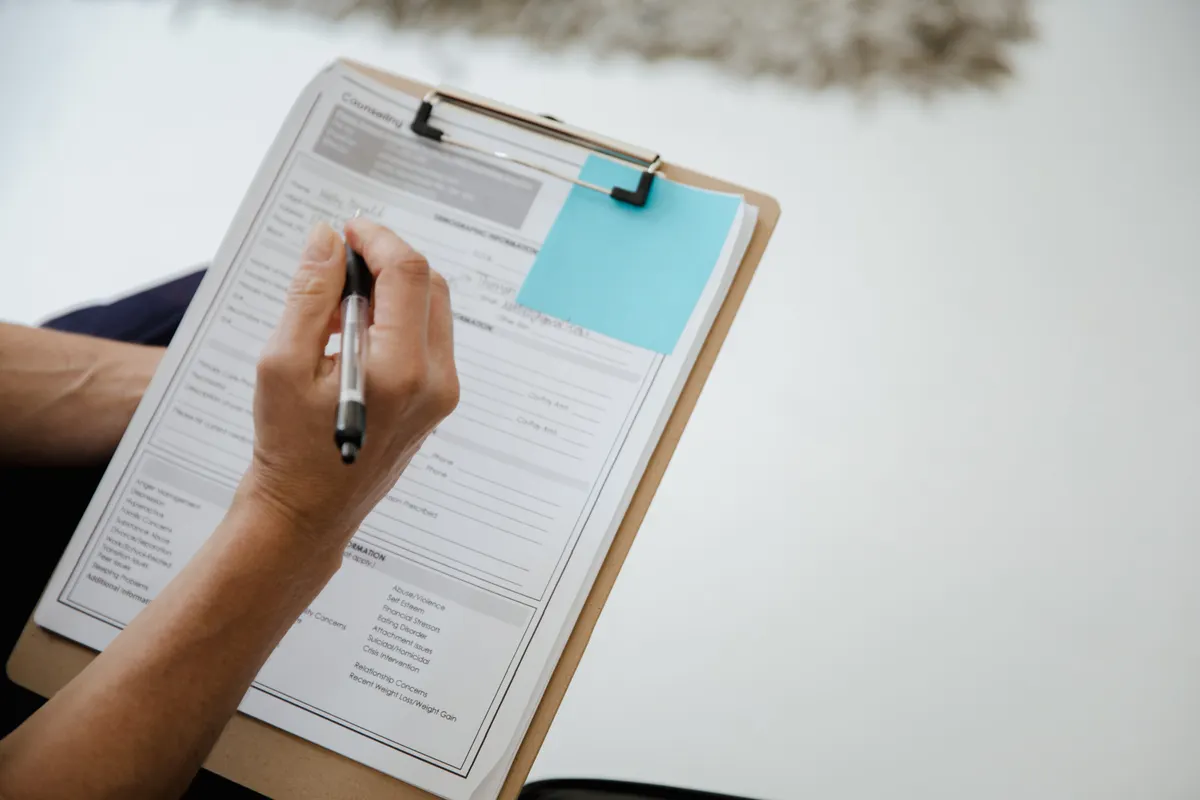
The UAE Gender Balance Council has opened a national survey to gather public input for the UAE Gender Balance Survey, which will shape the country’s gender strategy from 2027 to 2031. The survey is open to all UAE citizens and residents, men and women, across all seven emirates and all age groups.
Participation takes less than 10 minutes. The survey is available in Arabic and English and protects respondents’ identities. It can be accessed directly at the National Gender Balance Survey link.
What the survey covers
The survey asks about economic participation, career development and financial security, social care and quality of life, and the impact of technology and artificial intelligence on future skills and career pathways.
The council described the survey as one stage in a broader strategy development process that also draws on data, stakeholder consultations and institutional expertise. Survey results will be integrated with that material rather than assessed on their own.
Mouza Al Ghuwais Al Suwaidi, Secretary-General of the UAE Gender Balance Council, said: ‘Numbers and indicators provide us with a distinct part of the picture, while listening to people’s experiences adds an equally important dimension. Through the National Survey, we are working to broaden the base of insights we draw upon and comprehend diverse experiences from different segments of society and across the emirates.’
Building on the current strategy
The new 2027–2031 strategy will succeed the Gender Balance Council Strategy 2026, which rested on four pillars: Economic Participation, Entrepreneurship and Financial Inclusion, Wellbeing, and Protections, according to the UAE Government Portal.
The council was established in 2015 as a federal entity tasked with reducing the gender gap across government sectors and improving the UAE’s ranking in global competitiveness indices on gender equality, according to Zawya.
Under the strategy running from 2022 to 2026, the UAE reached 18th place globally on the United Nations Development Programme Gender Inequality Index, up from 49th in 2015, and ranked first in the Arab world on that index, according to a Dubai Media Office statement.
Sheikha Manal bint Mohammed bin Rashid Al Maktoum, President of the UAE Gender Balance Council and wife of Sheikh Mansour bin Zayed Al Nahyan, Vice President, Deputy Prime Minister, and Chairman of the Presidential Court, said the incoming strategy should ‘reflect the country’s ambitions for the next phase, keep pace with rapid global transformations and open new horizons for talent and expertise to enrich the development journey, while also unlocking promising future opportunities, strengthening the UAE’s competitiveness, and reinforcing its global leadership in promoting gender balance.’
Mona Ghanem Al Marri, Vice President of the council, said the new strategy is guided by a forward-looking approach focused not only on current conditions but on the changes expected to reshape labour markets, the economy, artificial intelligence, caregiving and quality of life in the years ahead.
She said: ‘The question guiding the development of the new strategy is therefore not defined by where we stand today, but how we prepare now for the changes that will reshape the years ahead, and how we turn them into opportunities that strengthen the participation of all members of society and their contribution to the economy and the development process.’
The council has not set a closing date for the survey. The completed findings will feed into the drafting of the 2027–2031 strategy.
