
Contributed content: this article was written by a third-party contributor and does not necessarily reflect the views of Dubai Week. Editorial and Advertising Policy
A new rail freight service between Fujairah and Abu Dhabi, which was announced earlier this week, is the latest step in the UAE’s effort to move trade around the Strait of Hormuz rather than through it.
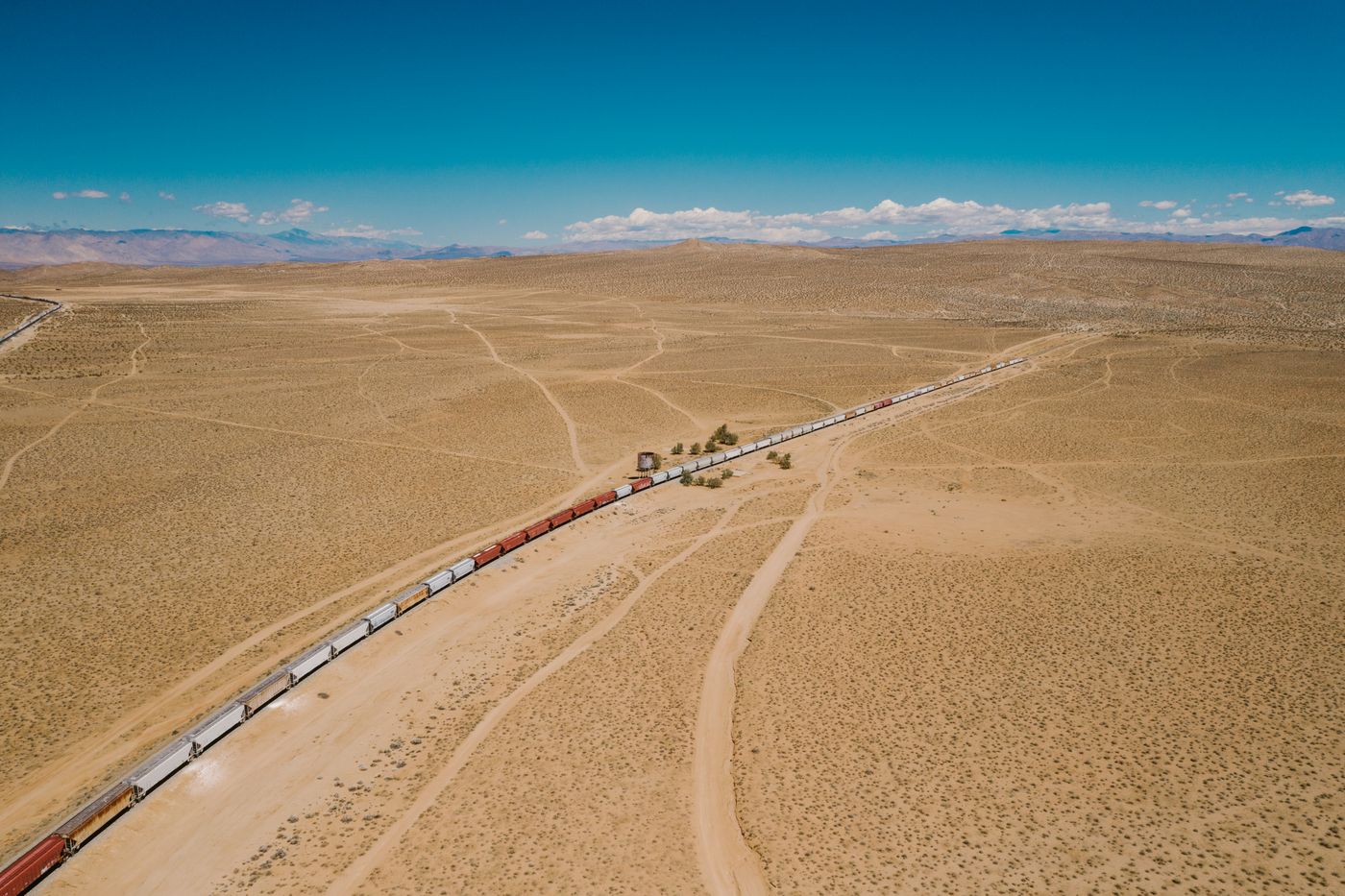
Etihad Rail Freight and AD Ports Group will run the service three times a week over about 200km, linking Fujairah Terminals on the Gulf of Oman with the Industrial City of Abu Dhabi, where cargo can be cleared through customs without passing through Jebel Ali. “Strong trade corridors are built by connecting gateways with the industrial and commercial ecosystems they serve,” said Saif Al Mazrouei, chief executive of AD Ports Group’s ports cluster.
A plan for zero dependency
The rail link is part of a wider government effort to take the strait out of the equation altogether, and in June foreign trade minister Thani Al Zeyoudi told Bloomberg: “We’re moving toward having zero Hormuz dependency and that’s regardless of whether it’s open or not.”
Rupin Banker, founder of Royal Fort Infracom, a UAE procurement and infrastructure supply company, has argued that resilience is about options rather than self-sufficiency. “Resilience does not mean producing everything domestically. It means having sufficient diversity, capacity and connectivity to withstand disruption,” Banker told The European Business Review last month.
A trade system built around one route
Shipping through the strait has been severely disrupted since the end of February, and a short-lived reopening in June ended when Iran closed it again in July, with the UAE at the mercy of geopolitical developments. Jebel Ali, the region’s biggest port, handled 374,000 TEU in the second quarter, down 90% on a year earlier, according to DP World’s half-year results.
The stakes reach well beyond the port, which together with its free zone accounts for around a third of Dubai’s economy, and Semafor has reported that moving cargo overland from ports on the east coast instead costs four to five times more than sailing through Hormuz.
New capacity on the Gulf of Oman
Along the Gulf of Oman coast, Sharjah’s Khor Fakkan has become a key container gateway outside the strait, with operator Gulftainer reporting that weekly throughput has risen from 8,000 TEU before the closure to about 65,000 and committing $2 billion to lift annual capacity to 10 million TEU over three years. Chief executive Farid Belbouab has stressed that the goal is certainty rather than dominance: “Our ambition is not to capture 100%. It’s really about giving that certainty.”
In Fujairah, DP World signed a 50-year concession with the emirate’s ports authority in July to build two new terminals at Al Rugaylat and Dibba in phases over up to 30 months, while road and rail corridors across the Gulf are already carrying cargo that would once have sailed straight into Jebel Ali.
The limits of the bypass
The east coast has not escaped the conflict, however, and in May an Iranian drone set Fujairah’s oil terminal ablaze while vessels off the UAE’s eastern coast were struck in separate incidents. Vessel-tracking analysis by the Middle East Council on Global Affairs found that export tonnage from Fujairah and Khor Fakkan fell 54% year on year in April and May as carriers and insurers stayed away, and the new Fujairah terminals will take more than two years to complete.
What it means for construction supply chains
The Gulf’s construction and infrastructure sector imports most of its steel, glass, equipment and prefabricated components, the bulk of it through Gulf ports, and construction consultants have reported longer lead times, higher landed costs and less reliable delivery schedules since the disruption began.
A second gateway on the Gulf of Oman changes where those materials land, how long they take to reach site and what they cost, which means procurement plans built around Jebel Ali will need to allow for suppliers shipping to different ports, longer journeys inland and delivery windows with more slack.
Whether or not the strait reopens, the UAE is building so that it no longer has to depend on it, and for businesses moving goods into the country that means planning around two gateways rather than one.
